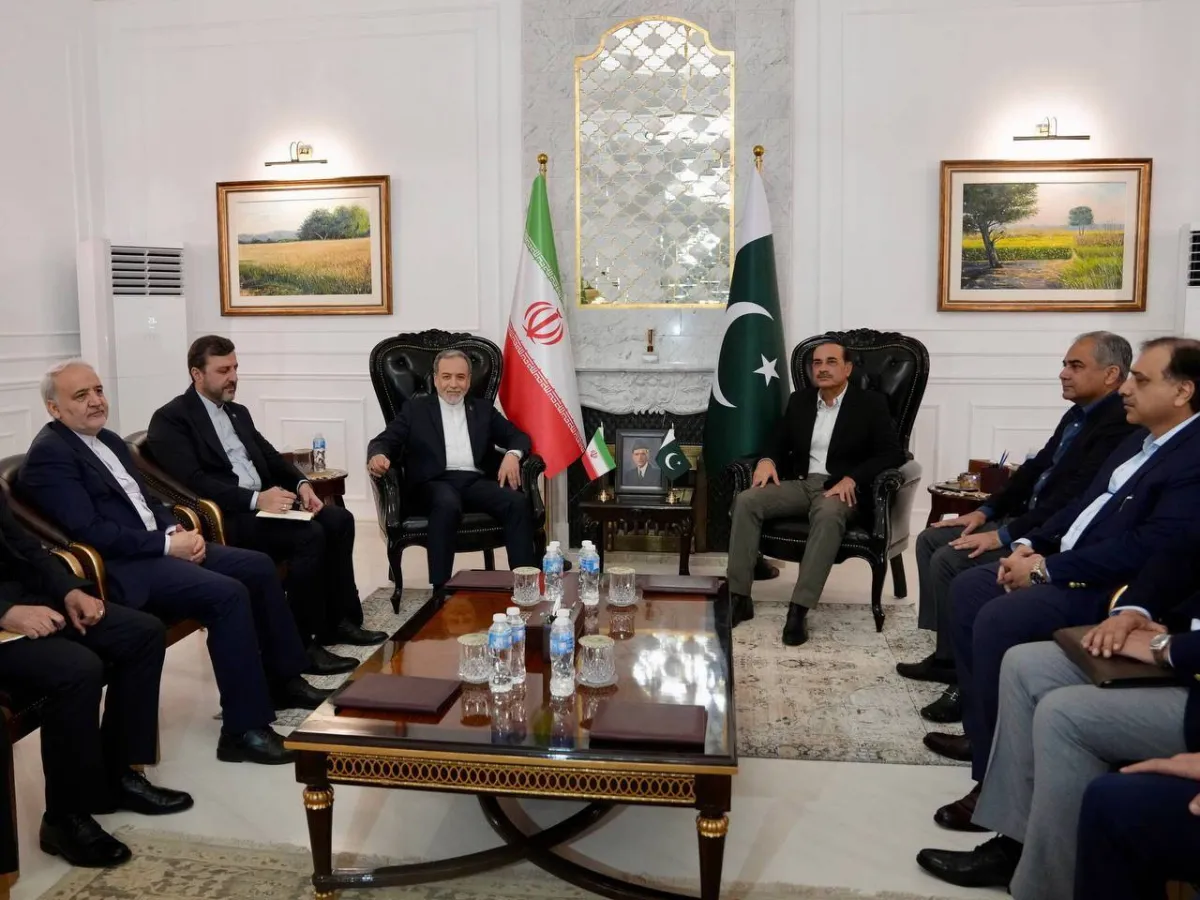
Iranian Foreign Minister Abbas Araqchi has concluded his visit to Islamabad, where the world was anticipating the arrival of U.S. President Donald Trump's envoys for indirect negotiations. This visit comes at a sensitive time as the involved parties seek to reach a settlement regarding the ongoing dispute in Iran.
Araqchi's departure from Islamabad raised questions about the schedules that the Pakistani mediator was preparing for a second session of negotiations. The Iranian delegation confirmed that their visit was not aimed at discussions with the United States but was part of a tour that includes Oman and Russia. The official IRNA agency reported that Araqchi intends to return to Pakistan after his visit to Muscat, adding a new dimension to diplomatic efforts.
Details of the Event
During his visit, Araqchi met with his Pakistani counterpart Ishaq Dar, Prime Minister Shehbaz Sharif, and Army Chief Asim Munir, who plays a pivotal role in mediation. Araqchi explained that he delivered Iran's response to the U.S. proposal for an agreement, emphasizing the need to ascertain whether Washington is serious in its diplomatic endeavors.
In contrast, Trump announced the cancellation of the anticipated visit of his envoys, asserting that this does not mean a resumption of war with Iran. He pointed to the lack of clarity in the current leadership in Tehran, reflecting a state of internal confusion.
Background & Context
These developments come at a time when Iran is facing increasing economic and political pressures due to imposed sanctions. Tensions in the region have escalated since the United States withdrew from the nuclear agreement in 2018, leading to a ramp-up in Iranian nuclear activities. Many observers have noted that Iran may be closer than ever to developing advanced nuclear capabilities.
In this context, Iranian President Masoud Bezhakian called on citizens to rationalize electricity consumption, warning against attempts by the United States and Israel to incite public discontent. Reports have shown that Iran has not recorded significant power outages recently, reflecting the country's ability to cope with current challenges.
Impact & Consequences
Concerns are growing that escalating tensions between Iran and the United States could lead to military escalation in the region. The cancellation of Trump's envoys' visit may have negative repercussions on Pakistani mediation efforts, which aim to stabilize the area. Additionally, Iran's continued enhancement of its nuclear capabilities could alarm neighboring countries and exacerbate regional tensions.
These circumstances require the international community to take serious steps to alleviate tensions and work towards sustainable diplomatic solutions. Military escalation will only worsen the humanitarian and economic situations in the region.
Regional Significance
The current developments in Iranian-American relations have significant implications for Arab countries, particularly those sharing borders with Iran. Increased tensions could lead to negative repercussions on security and stability in the region, necessitating clear positions from Arab nations regarding these crises.
In conclusion, the situation in Iran and the diplomatic efforts aimed at achieving peace and stability in the region remain a vital topic requiring close monitoring by all concerned parties.