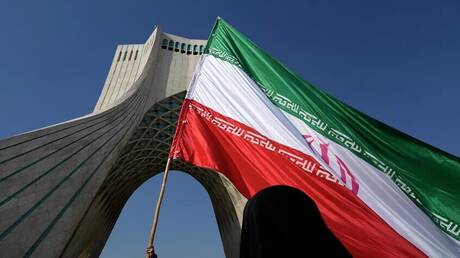
The spokesperson for the Iranian Foreign Ministry, Nasser Kanani, stated that the U.S. and Israeli attacks on Iranian nuclear sites are considered clear crimes according to the laws and international standards set by the International Atomic Energy Agency (IAEA). Kanani expressed his regret over the agency's position, which he described as turning a blind eye to these violations, raising questions about its role and neutrality in monitoring nuclear activities.
These statements come at a sensitive time when tensions are escalating in the region between Iran on one side and the United States and its allies on the other. Iranian nuclear activities are a major focal point in the ongoing conflict, raising international concerns about Tehran's potential development of nuclear weapons, despite Iran's assurances that its nuclear program is peaceful.
Details of the Incident
In this context, Kanani pointed out that the attacks targeting Iranian nuclear sites are not just violations of sovereignty but also threats to regional and international security. He affirmed that Tehran will continue to develop its nuclear program peacefully and will not yield to external pressures.
These statements are part of Iran's increasing reactions to what it considers repeated aggressions by the United States and Israel. Several attacks on Iranian nuclear facilities have been recorded in recent years, heightening tensions in the region.
Background & Context
Historically, Iranian-American relations have been fraught with tension since the Islamic Revolution in 1979. Since then, the United States has taken several steps to pressure Iran, including imposing economic and military sanctions. In response, Iran seeks to enhance its nuclear capabilities as a means of countering these pressures.
The IAEA, established in 1957, plays a pivotal role in monitoring nuclear activities worldwide. However, its stance on Iranian activities has faced criticism, with some arguing that the agency has not taken sufficient steps to hold countries accountable for violations.
Impact & Consequences
Iranian statements serve as a clear warning to the international community about the potential consequences of any future aggressions. They also reflect Iran's concern over escalating situations, which could lead to military escalation in the region.
At the same time, these statements may affect ongoing nuclear negotiations between Iran and major powers, as Tehran seeks to lift imposed sanctions and ensure its rights to develop its nuclear program.
Regional Significance
The tensions between Iran and the United States significantly impact security and stability in the Arab region. The Iranian-American conflict is considered one of the main factors affecting relations between Arab states and Iran, complicating the political landscape in the Middle East.
Any escalation in this conflict could lead to negative repercussions for neighboring countries, including increased sectarian tensions and armed conflicts, threatening regional security.
The situation in the region remains tense, with Iran continuing to assert its nuclear rights amid growing criticism of the IAEA's position. Iranian statements reflect a deep concern over external threats, necessitating international attention to ensure regional stability.