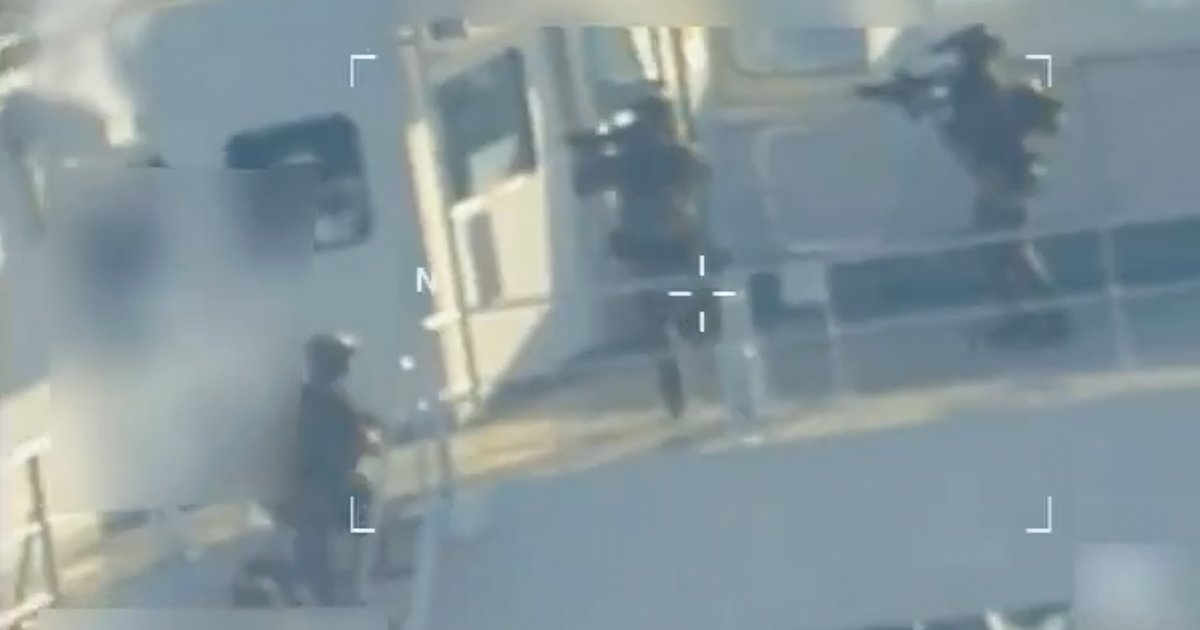
The Iranian Foreign Ministry has announced that the seizure of oil tankers in international waters by the United States is considered maritime piracy. The ministry emphasized that these actions represent a blatant violation of international laws, threatening maritime security in the region.
These statements come at a time when tensions between Iran and the United States are escalating, with Tehran accusing Washington of interfering in its internal affairs and imposing harsh economic sanctions. The spokesperson for the Iranian Foreign Ministry indicated that these actions will not go unanswered.
Details of the Incident
Recently, U.S. forces have seized several Iranian oil tankers in Gulf waters, provoking angry reactions from the Iranian government. Tehran has confirmed that it will take all necessary measures to protect its maritime interests. It also added that these actions reflect the United States' hostile policy towards Iran.
It is noteworthy that the United States imposed sanctions on the Iranian oil sector following its withdrawal from the nuclear agreement in 2018. Since then, the region has witnessed an escalation in tensions, affecting maritime navigation.
Background & Context
Historically, relations between Iran and the United States have been tense since the Islamic Revolution in 1979. These relations have seen numerous crises, including the hostage-taking of American citizens in Tehran, the Iran-Iraq War, and Iran's nuclear program. All these events have contributed to a complex image of bilateral relations.
In recent years, concerns have increased regarding the escalation of conflict in the Gulf region, where Iran is considered a major regional power. The United States has attempted to bolster its military presence in the area, further heightening tensions.
Impact & Consequences
Analyses suggest that escalating tensions between Iran and the United States could lead to serious repercussions for regional security. The continued seizure of tankers could result in potential military escalation, threatening the stability of the region. Additionally, these actions may affect global oil prices, as Iran is one of the largest oil producers in the world.
Moreover, these situations could impact relations between other countries in the region, as some nations may be compelled to take cautious stances regarding the ongoing conflict. There are also fears that these tensions could lead to the outbreak of new conflicts in the area.
Regional Significance
The Gulf region is a vital hub for global oil trade, and any escalation in the conflict between Iran and the United States could directly affect neighboring Arab countries. Such conditions may lead to rising oil prices, impacting the economies of Arab nations that heavily rely on oil revenues.
Furthermore, the escalation of tensions could increase political divisions in the region, as some countries may take pro- or anti-Iran stances, complicating the political landscape in the Middle East.
The seizure of oil tankers by the United States highlights the increasing tensions between Iran and the West. It appears that these conditions will continue to affect security and stability in the region, necessitating international efforts to resolve the conflict.