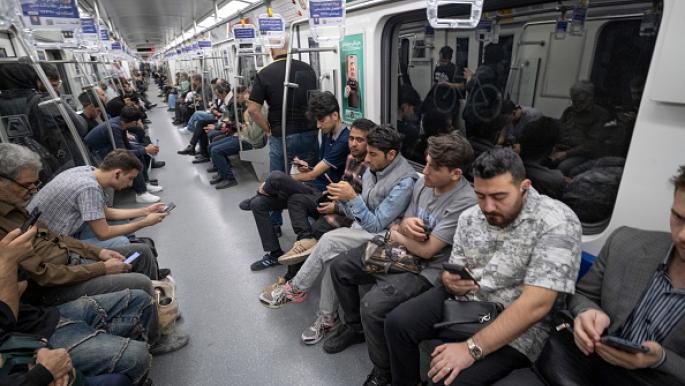
The Iranian presidency announced on Sunday that President Masoud Bezhakian strongly opposes restricting citizens' access to the internet. The office confirmed that the current measures taken to limit internet access are "temporary," reflecting the government's concern over public reactions to these restrictions.
These statements come amid rising fears regarding freedom of expression and human rights in Iran, where activists and citizens have increasingly called for the lifting of internet restrictions. The internet is considered a vital tool for communication and information exchange, especially during political and social crises.
Details of the Event
Reports indicate that the Iranian government imposed internet restrictions following protests in the country, as officials seek to control the information circulating online. However, Bezhakian's statements reflect the government's desire to alleviate public concerns and affirm its commitment to citizens' rights to access information.
On the other hand, many observers believe that these restrictions could negatively impact the Iranian economy, as many businesses rely on the internet for their daily operations. Therefore, any limitations could lead to adverse consequences for economic growth.
Background & Context
Historically, Iran has witnessed numerous crises related to freedom of expression, with the government taking strict measures against any form of dissent. In recent years, these measures have intensified with the increased use of the internet as a means for citizens to express their opinions and communicate.
Iran is considered one of the countries that impose severe restrictions on the internet, where content is monitored and websites filtered. Nevertheless, these restrictions have not prevented citizens from using social media and various applications for communication and information exchange.
Impact & Consequences
The continuation of internet restrictions could exacerbate social and economic conditions in Iran. Access to information is regarded as a fundamental right that citizens strive to achieve, and any limitations could lead to increased protests and demands for genuine reforms.
Moreover, these restrictions may affect Iran's international reputation, as the government faces growing criticism from international human rights organizations. Thus, improving the human rights situation may become an urgent necessity for the Iranian government to maintain its international relations.
Regional Significance
The issue of internet freedom and human rights in Iran is of concern to many Arab countries, as several governments in the region face similar challenges. The internet restrictions imposed in Iran may serve as either a model to emulate or a warning to other countries seeking to control information.
Ultimately, the question remains about the Iranian government's ability to balance security and freedom, and how these restrictions will affect the country's future. Bezhakian's statements may reflect the government's desire to improve its image, but actions will determine the seriousness of these statements.