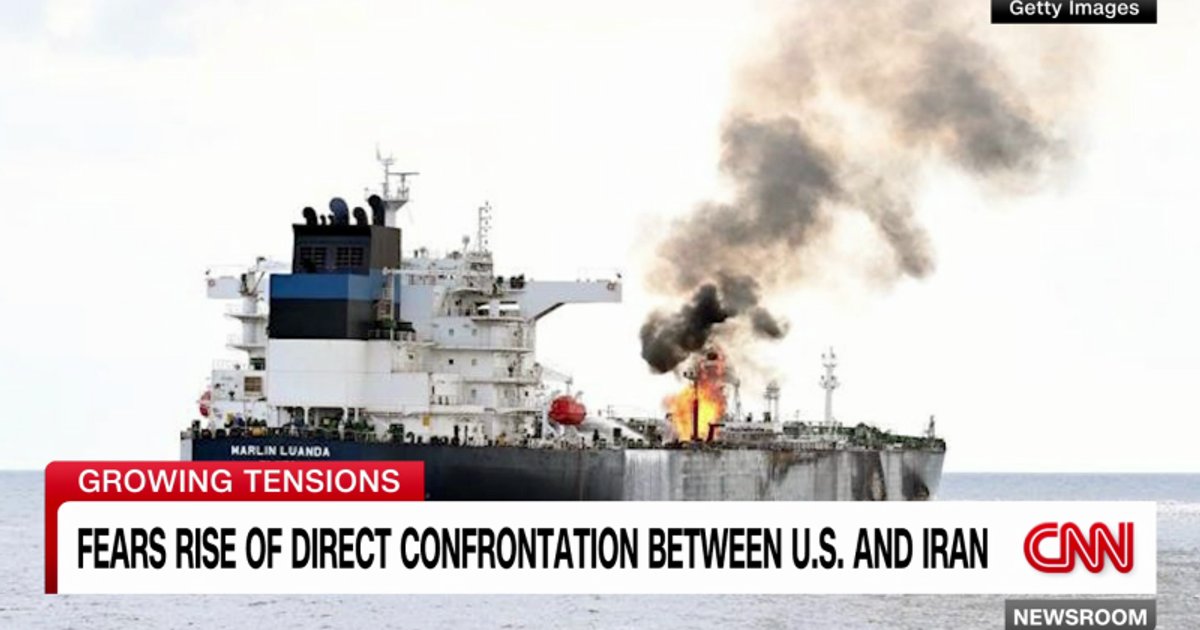
The Iranian Foreign Ministry has reaffirmed its position, stating that no talks have taken place with the United States since the onset of aggression. This statement comes amid escalating regional tensions, reflecting a state of stagnation in relations between the two countries.
In an official statement, the Iranian Foreign Ministry spokesperson indicated that Tehran has no intention of entering into any negotiations with Washington at this time. This stance reflects Iran's ongoing policy towards the United States, characterized by defiance and rejection of any external pressures.
Details of the Situation
These remarks come in light of escalating events in the region, where many countries are experiencing increasing tensions due to ongoing conflicts. Recent days have seen an escalation in military operations, complicating the political landscape further. Iran, facing mounting international pressures, refuses any talks with the United States, considering that such discussions would not yield positive results.
The Iranian spokesperson also noted that the country will continue to defend its national interests, asserting that any negotiation attempts must be based on mutual respect and non-interference in internal affairs. This position reflects Iran's strategy in dealing with the United States, as Tehran prefers to focus on enhancing its military and economic capabilities rather than engaging in negotiations that may be deemed futile.
Background & Context
Historically, relations between Iran and the United States have been marked by increasing tensions since the Islamic Revolution in 1979. Since then, the United States has imposed economic sanctions on Iran, significantly impacting the Iranian economy. In recent years, the current U.S. administration has attempted to reconsider these policies, but Iran rejects any talks without the prior lifting of sanctions.
This escalation in positions comes at a sensitive time, with fears of a military conflict in the region increasing. Many observers believe that any escalation in tensions could have serious repercussions for regional and international security.
Impact & Consequences
The statements from the Iranian Foreign Ministry underscore the ongoing polarization in the region, with rising fears of military escalation that could involve other countries. This situation could negatively affect regional stability and complicate peace efforts in ongoing conflicts.
Moreover, the continuation of this stalemate in relations between Iran and the United States could exacerbate humanitarian crises in the region, particularly in countries suffering from conflicts. The absence of dialogue channels may increase the chances of military escalation, threatening regional security.
Regional Significance
The Iranian-American relations are considered a sensitive issue that impacts security and stability in the Arab region. Many Arab countries are closely monitoring the developments in these relations, as any escalation could affect their national security.
Under these circumstances, there is an increasing need for effective diplomatic efforts aimed at easing tensions and promoting dialogue among the concerned parties. The continuation of the current situation could lead to negative repercussions for the entire region, necessitating urgent action from the international community.
In conclusion, Iran's position remains steadfast, reflecting the complexity of international relations amid increasing crises. Despite the challenges, there remains hope for achieving peace and stability in the region through dialogue and understanding.