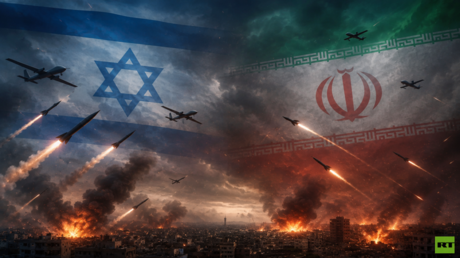
In the wake of the Israeli attack targeting the Karun petrochemical plant in Mahshahr, southwestern Iran, observers have suggested two potential Iranian responses. The attack, which is viewed as part of a series of Israeli military operations against Iranian facilities, has raised questions about how Tehran will react.
The first scenario indicates the possibility of Iran carrying out direct retaliatory operations targeting Israeli interests or its allies in the region. Meanwhile, the second scenario focuses on Iran employing unconventional tools, such as supporting armed groups in Iraq and Syria, to increase pressure on Israel.
Details of the Incident
The attack on the Karun petrochemical plant comes at a sensitive time, as Iran seeks to enhance its industrial capabilities in the petrochemical sector. The plant is considered a vital facility in the Iranian economy, and any damage inflicted upon it could significantly affect production and exports. Reports indicate that the attack resulted in severe damage, which may necessitate a swift response from Tehran.
Analysts believe that this attack could be part of a broader Israeli strategy aimed at undermining Iranian military capabilities. In recent years, Israel has intensified its operations against Iranian targets, exacerbating tensions in the region.
Background & Context
Historically, the relationship between Iran and Israel has seen a rise in tensions, particularly following the Iranian nuclear agreement in 2015. Since then, Israel has taken proactive steps to prevent Iran from expanding its influence in the region, leading to a series of attacks on Iranian facilities.
Iran, for its part, has repeatedly asserted its right to defend itself, viewing Israeli attacks as a threat to its national security. This complex situation reflects the geopolitical tensions in the Middle East, where regional and international interests intersect.
Impact & Consequences
Iran's potential response to the attack could lead to greater escalation in the conflict, which may affect stability in the region. If Iran decides to carry out retaliatory operations, it could draw the region into a wider conflict, especially if other regional powers intervene.
The economic repercussions would also be significant, as any escalation in tensions could impact global oil markets and drive up energy prices. Furthermore, regional security would be at risk, potentially affecting trade and tourism in neighboring countries.
Regional Significance
The Arab region is closely monitoring the developments of this incident, as any escalation between Iran and Israel could particularly impact the Gulf Arab states. These countries heavily rely on regional stability, and any threat to security could adversely affect their economies.
Additionally, armed groups in Iraq and Syria might exploit the situation to enhance their operations against American and Israeli forces, complicating the security landscape in the region.
In conclusion, the question remains as to how Iran will respond to the Israeli attack and whether it will choose escalation or adopt a more cautious strategy. Upcoming events will determine the trajectory of relations between Iran and Israel and the impact on regional stability.