In a new escalation of tensions between Iran and the United States, Iran's Supreme Leader Ayatollah Ali Khamenei announced that Tehran controls and manages the Strait of Hormuz. This statement was made in a written message broadcast on state television, where Khamenei accused the US and Israel of seeking to destabilize the Islamic Republic.
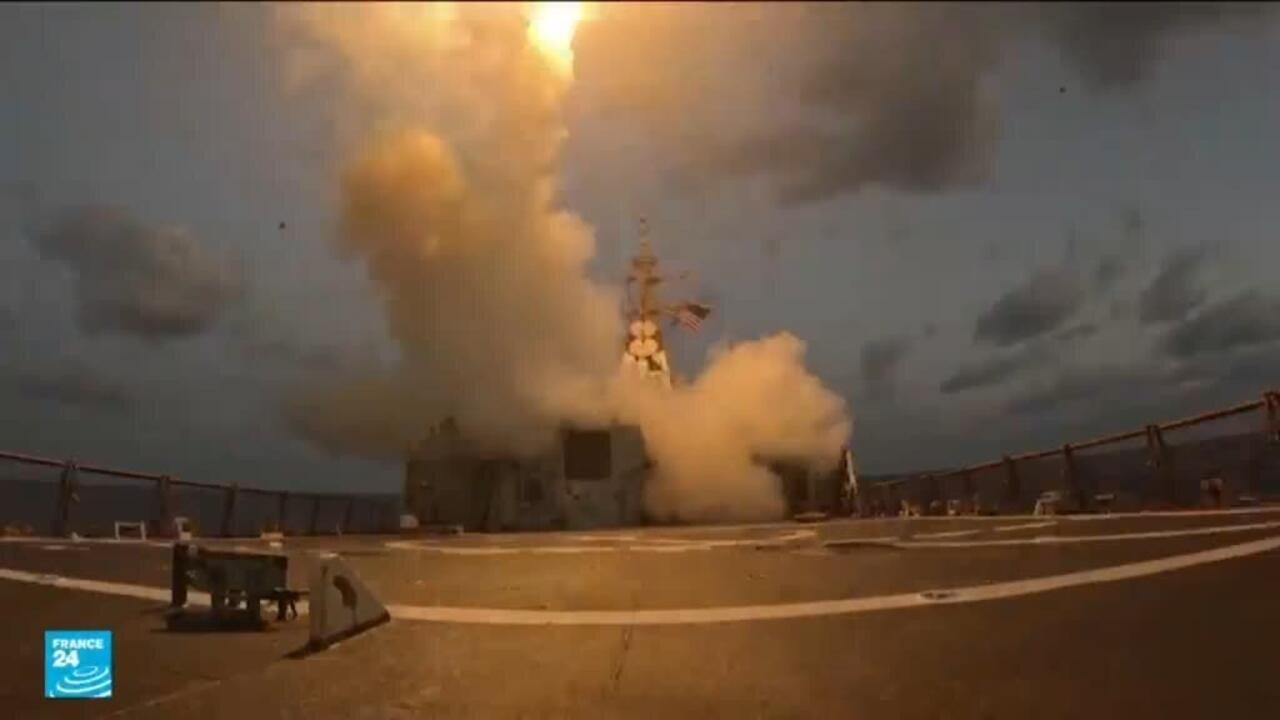
These remarks come at a sensitive time, as the US and Iran have exchanged accusations of violating the ceasefire announced between the two sides. The US military has shot down four Iranian drones and conducted strikes on a base in southern Iran, further heightening tensions. In response, Tehran targeted a US base, reflecting the escalating conflict between the two parties.
Details of the Incident
Events are unfolding rapidly in the Gulf region, where relations between Iran and the US are increasingly strained. While Tehran seeks to assert its control over the Strait of Hormuz, one of the world's most important maritime passages, Washington continues to bolster its military presence in the area. The Iranian statements come at a critical juncture as Tehran aims to affirm its strength in the face of US pressures.
In this context, reports have confirmed that US forces have carried out military operations against Iranian sites, leading to heightened tensions. This military escalation follows a period of relative calm, where there was hope for a potential agreement between the two sides.
Background & Context
Historically, the Strait of Hormuz is considered a vital strategic point, through which approximately 20% of the world's oil passes. Controlling this strait means having the ability to manage global oil flows, making the conflict over it crucial. For years, there have been ongoing tensions between Iran and the US, especially after Washington's withdrawal from the Iranian nuclear deal in 2018.
Iran seeks to strengthen its regional position by asserting its control over the Strait of Hormuz, while the US attempts to undermine this influence. This conflict reflects broader tensions in the region, where regional and international interests intersect in complex ways.
Impact & Consequences
The repercussions of this conflict extend beyond Iranian borders, potentially affecting global oil prices and market stability. Any military escalation in the region could lead to increased oil prices, impacting the global economy. Furthermore, ongoing tensions may exacerbate humanitarian crises in the region, particularly in Iraq and Syria.
Additionally, these events could lead to increased division between Arab states and Iran, as some countries seek to strengthen their alliances with the US to counter Iranian influence. This situation could complicate regional relations and lead to new conflicts.
Regional Significance
The Gulf Arab states are the most affected by the Iranian-American conflict, as their economies heavily rely on oil exports. Any escalation in the Strait of Hormuz could threaten maritime security and impact regional trade. Moreover, tensions between Iran and Arab states could worsen political crises in the region.
Under these circumstances, Arab states must take clear positions regarding the conflict, as these events could affect the overall stability of the region. It is crucial for Arab nations to enhance cooperation among themselves to address the security and economic challenges arising from this conflict.
In conclusion, the situation in the Gulf remains precarious, oscillating between tension and calm, with rising fears of military escalation that could alter the balance of power in the region. The involved parties need to exercise wisdom and restraint to avoid further escalation.