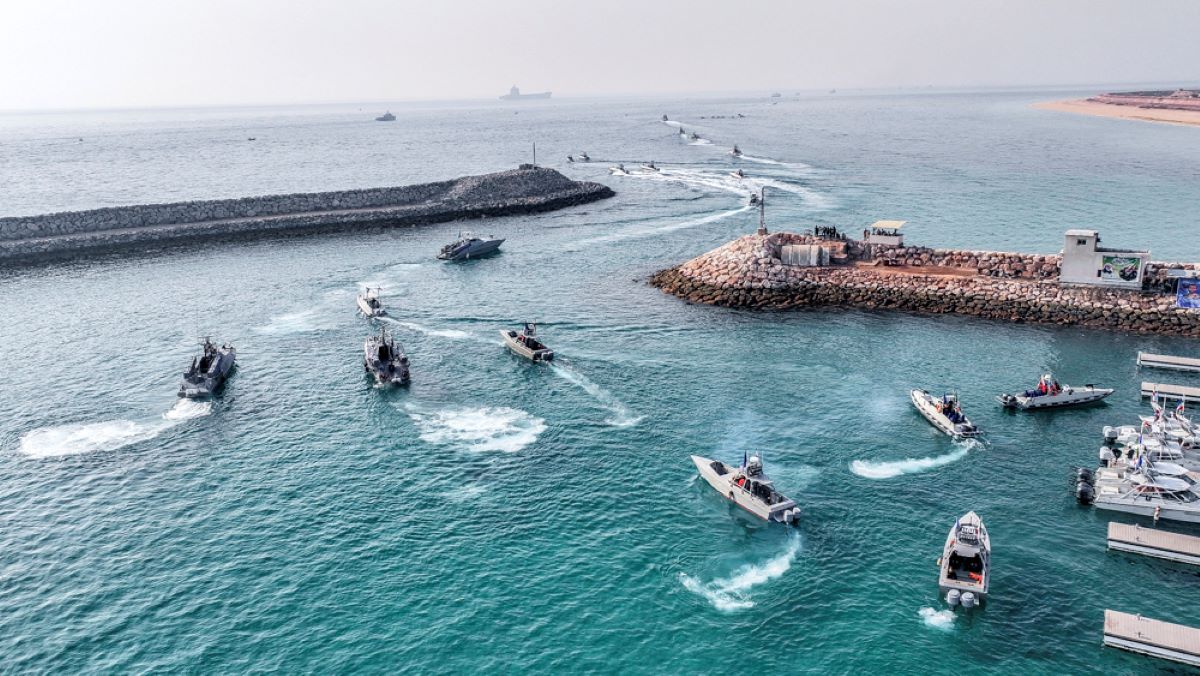
Mona Yacoubian, a senior advisor at the Middle East Program at the Center for Strategic and International Studies, stated that the potential coordination of Iranian forces for ship passage through the Strait of Hormuz could be seen as a significant concession by the Iranian regime. This remark arises during a time of heightened tensions in the region, raising questions about the political and security implications of this move.
The Strait of Hormuz is one of the most critical maritime corridors in the world, through which approximately 20% of the total global oil exports pass. Therefore, any change in the management of this passage could significantly impact global oil markets and regional stability.
Details of the Event
In her statements, Yacoubian indicated that Iranian coordination could be viewed as a step towards enhancing Tehran's influence in the region. If this coordination is implemented, it could lead to a shift in the rules of engagement in the Strait of Hormuz, where Iran could strengthen its control over commercial shipping.
This statement comes in the context of Iran's efforts to bolster its military presence in the region, as it seeks to assert its power in the face of international pressures and sanctions imposed on it. Recently, there has been an increase in Iranian military activities, including naval exercises aimed at showcasing strength.
Background & Context
Historically, the Strait of Hormuz has witnessed ongoing tensions between Iran and Western countries, particularly the United States. In recent years, these tensions have notably escalated, with Iran conducting numerous military operations targeting commercial vessels, leading to heightened fears of military conflict in the region.
These developments are part of Iran's broader strategy to enhance its regional influence, as it aims to use military power as a means to achieve its political objectives. This strategy has significantly affected relations between Iran and neighboring countries, especially those in the Gulf Cooperation Council.
Impact & Consequences
If Iranian coordination is realized, it could lead to increased tensions in the region, prompting Western nations, particularly the United States, to take military steps to counter this challenge. This could escalate the conflict in the region, threatening the stability of global oil markets.
Moreover, this move could affect relations between Iran and Arab countries, as these nations may feel threatened by the growing Iranian influence in the region. Consequently, Arab states may need to take steps to address this challenge, whether through enhancing security cooperation or adopting new diplomatic strategies.
Regional Significance
For Arab countries, any escalation in the Strait of Hormuz could directly impact their economic and political security. Many of these nations rely on oil exports, and any threat to shipping in this strait could lead to rising oil prices, affecting their economies.
Additionally, increased Iranian influence could lead to changes in regional alliances, as some Arab countries may seek to strengthen their ties with Western powers to confront new challenges. In this context, it may be essential for Arab nations to consider new strategies to address the growing security challenges.
The potential coordination of Iranian forces for ship passage in the Strait of Hormuz represents a turning point in regional and international relations. This situation requires Arab countries and the international community to think about new strategies to tackle the challenges posed by this move.