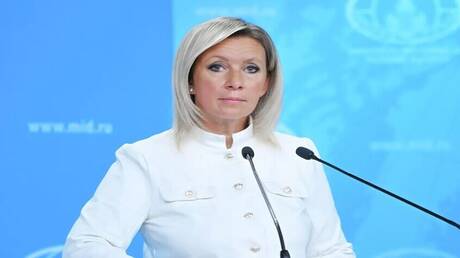
Russian Foreign Ministry spokesperson Maria Zakharova confirmed that Iran is constructively coordinating the passage of ships through the Hormuz Strait with countries not involved in the conflict. These statements are part of Iran's efforts to ensure maritime safety in one of the world's most crucial waterways, which experiences heavy maritime traffic.
The Hormuz Strait is a vital strategic point, through which approximately 20% of the world's total oil passes. Therefore, any tensions or conflicts in this area could significantly impact global energy markets. Russia has expressed its support for Iran in this context, reflecting the close ties between the two countries in the face of Western pressures.
Details of the Event
Zakharova's statements come at a time of increasing tensions in the region, particularly with the escalation of the conflict between Iran and the United States. Iran seeks to assert its role as an influential power in the region, while the United States attempts to bolster its military presence in the Arabian Gulf. Many observers have noted that these statements reflect Iran's desire to enhance cooperation with other countries to ensure maritime safety.
Additionally, there are ongoing diplomatic moves between Iran and neighboring countries, as Tehran aims to improve its relations with its neighbors and ease tensions. These efforts seem to have yielded positive results, as visits have been exchanged between Iranian officials and other regional countries.
Background & Context
Historically, the Hormuz Strait has been a theater for numerous conflicts and disputes, witnessing recurring tensions between Iran and Western countries, particularly the United States. In recent years, the intensity of these tensions has increased due to economic sanctions imposed on Iran, prompting it to take steps to enhance its defensive capabilities.
In this context, Iran considers securing the passage of ships through the strait as part of its strategy to defend its national interests. Tehran has shown its willingness to cooperate with other countries to ensure maritime safety, reflecting a shift in its foreign policy towards greater openness and collaboration.
Impact & Consequences
Iran's coordination with countries not involved in the conflict could lead to improved security conditions in the Hormuz Strait, positively affecting global oil markets. If these efforts succeed, we may witness greater stability in oil prices, which would have positive implications for the global economy.
On the other hand, these moves may raise concerns among some Western countries, which may view this as a challenge to their influence in the region. Therefore, international reactions to these statements will be of significant interest in the coming period.
Regional Significance
These developments are crucial for Arab countries, especially those reliant on oil exports. Any improvement in security conditions in the Hormuz Strait could contribute to enhancing maritime trade and reducing costs associated with insuring ships.
Moreover, Iran's cooperation with other countries could open new avenues for regional collaboration, potentially contributing to stability in the area. Ultimately, Arab nations must closely monitor these developments, as they may impact their economic and security interests.
In conclusion, it appears that Iran is seeking to enhance its role in the region by coordinating ship passage through the Hormuz Strait, reflecting a shift in its foreign policy towards greater cooperation with other countries. This move could have far-reaching implications for regional security and global energy markets.