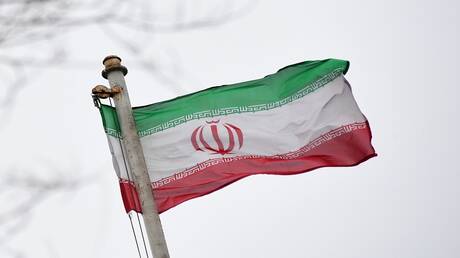
In a strong statement, the Iranian embassy in London on Monday characterized the European Union's position on Iran as "hypocrisy and moral bankruptcy." This remark comes at a time when tensions between Iran and the EU are rising, particularly in light of the political and economic crises facing Tehran.
These statements are part of Iran's reactions to European policies concerning the Iranian nuclear file, where Tehran feels there is a double standard from European countries in dealing with international issues.
Details of the Event
These remarks come at a sensitive time, as the European Union seeks to enhance dialogue with Iran while Tehran continues to develop its nuclear program. Iran has expressed its dissatisfaction with the increasing European pressures, considering these pressures to contradict the principles of dialogue and understanding.
In this context, the Iranian embassy emphasized that the EU should adopt a more objective and realistic approach in dealing with Iranian issues, pointing out that recent European statements reflect a lack of deep understanding of the Iranian reality.
Background & Context
Historically, Iranian-European relations have experienced numerous fluctuations, with periods of cooperation and periods of tension. Following the nuclear agreement in 2015, there were high hopes for improving relations, but the U.S. withdrawal from the agreement in 2018 set things back.
Since then, Iran has taken gradual steps to reduce its nuclear commitments, raising concerns among European countries that seek to maintain the agreement. In this context, recent Iranian statements are seen as a response to what they perceive as a lack of commitment from the EU to its promises.
Impact & Consequences
These statements may exacerbate tensions between Iran and the European Union, potentially affecting European mediation efforts regarding the nuclear file. Furthermore, the escalation in rhetoric could negatively impact regional stability, as Iran is a key player in many regional issues.
If these tensions continue, European countries may find themselves in a difficult position, needing to reassess their strategies towards Iran, especially amid internal and external pressures.
Regional Significance
Iranian-European relations are part of a larger equation affecting stability in the Arab region. Any escalation in tensions between Iran and the EU could impact neighboring Arab countries, which are closely monitoring the situation.
Moreover, any changes in Iranian policy could affect Iran's allies in the region, potentially leading to shifts in regional dynamics. Therefore, recent Iranian statements are not merely a reaction to the European stance but part of a broader strategy to influence the regional landscape.
In conclusion, Iranian-European relations remain uncertain, with increasing challenges facing both sides. The current situation requires serious and realistic dialogue to avoid further escalation.