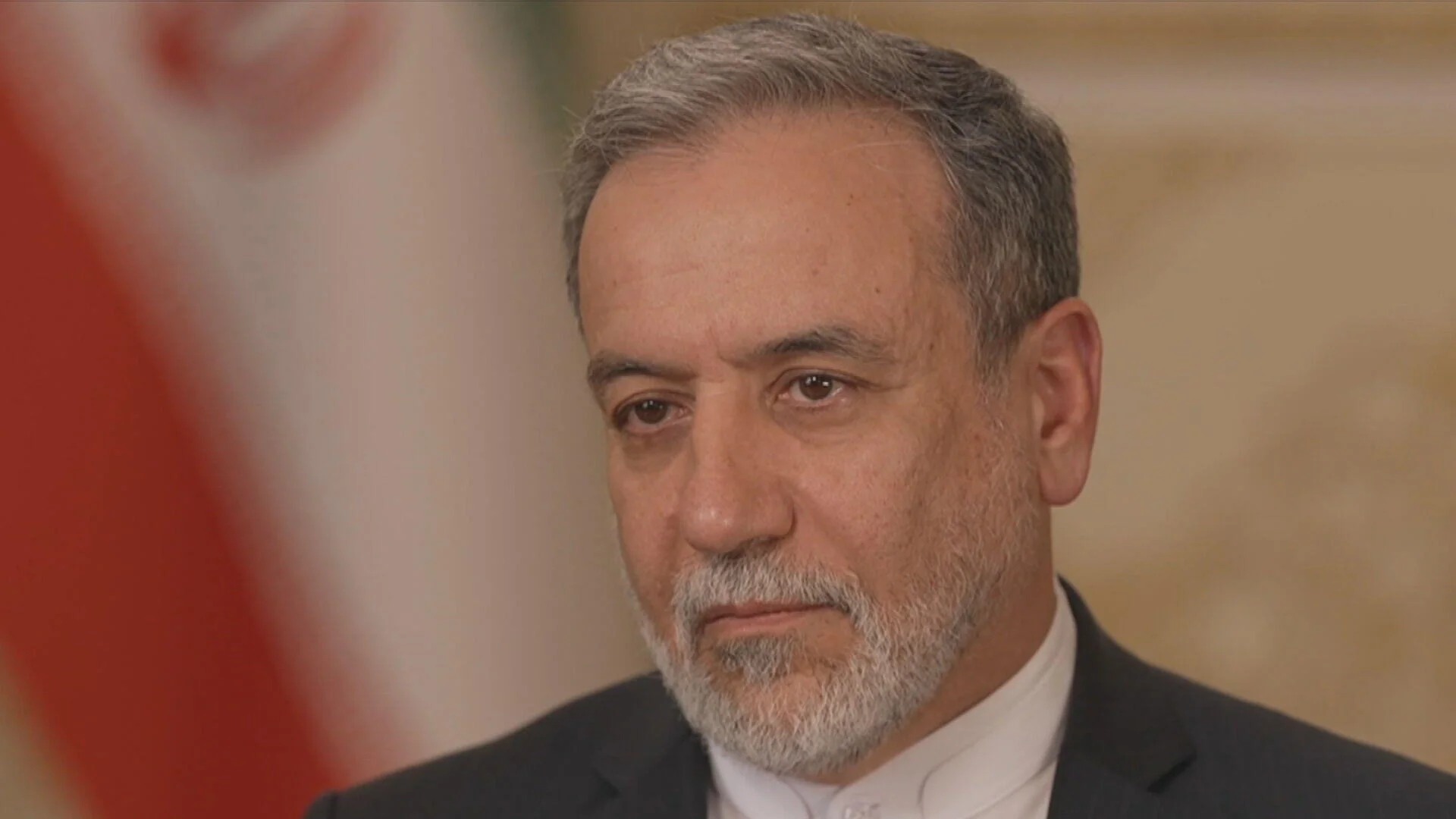
Iran's Foreign Minister, Hussein Amir Abdollahian, revealed the country's desire to establish specific conditions for a permanent and final cessation of what it considers an illegitimate war. He emphasized that Iran seeks to achieve sustainable peace that aligns with its national interests.
Abdollahian's remarks came during a press conference held in Tehran, where he noted that the current situation necessitates serious dialogue with the concerned parties, adding that Iran is ready to negotiate but under conditions that guarantee its rights and interests.
Details of the Event
In this context, the Iranian Foreign Minister clarified that his country is under significant pressure due to the sanctions imposed on it and the wars waged against it. He pointed out that these circumstances require the international community to take a firm stance against what he described as an illegitimate war.
Abdollahian also called for the necessity of respecting the sovereignty of nations and refraining from interference in their internal affairs, asserting that Iran will not accept any conditions imposed from abroad.
Background & Context
Historically, Iran has witnessed numerous conflicts and wars that have affected its internal and external stability. Since the Islamic Revolution in 1979, Tehran has faced multiple challenges, including regional wars and economic sanctions imposed by Western countries.
Iran considers itself a victim of hostile foreign policies and emphasizes its right to defend itself. These policies have led to escalating tensions in the region, complicating the political landscape further.
Impact & Consequences
Analyses suggest that the recent statements by the Iranian Foreign Minister may lead to increased tensions in the region, especially with the presence of regional and international powers seeking to enhance their influence in the Middle East.
If Iran maintains its hardline stance, it could escalate military conflicts, threatening regional security and exacerbating the suffering of civilians in conflict areas.
Regional Significance
The neighboring Arab countries are directly affected by the political and military developments in Tehran. The tensions between Iran and Arab states, particularly those in the Gulf, could worsen the security situation in the region.
Moreover, any military escalation could impact the regional economy, particularly in the fields of energy and trade, negatively affecting the lives of citizens in these countries.
In light of these circumstances, hope remains pinned on diplomacy and dialogue as a means to resolve conflicts and achieve peace in the region.