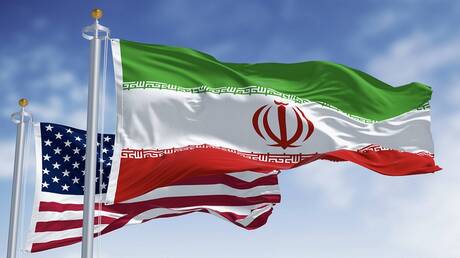
The Wall Street Journal reveals Iran's demands to the United States, which include the closure of all U.S. military bases in the Gulf and a reorganization of navigation in the Strait of Hormuz. These demands reflect an escalation in Iran's stance towards Washington, as Tehran seeks to achieve radical changes in the U.S. military presence in the region.
These demands come at a sensitive time, as tensions between Iran and the United States are increasing, especially after the latter's withdrawal from the nuclear agreement in 2018. Through these demands, Iran aims to bolster its regional position and reduce U.S. influence in the Gulf, which is considered one of the most important maritime corridors in the world.
Details of the Demands
Reports indicate that Iran has presented a list of demands that it considers "difficult," including the closure of U.S. military bases in Gulf countries, such as Bahrain and Qatar. Iran also demands a reorganization of navigation in the Strait of Hormuz, which is a vital transit point for oil and natural gas.
These demands are part of Iran's broader strategy to enhance its regional power, as Tehran attempts to exploit the current geopolitical situation to gain political and military advantages. Iranian officials have indicated that these demands are a reaction to what they perceive as an aggressive policy by the United States and its allies in the region.
Background & Context
Historically, relations between Iran and the United States have been tense since the Islamic Revolution in 1979, which severed diplomatic ties between the two countries. Since then, the U.S. has taken multiple actions against Iran, including imposing economic and military sanctions. In recent years, tensions have significantly escalated, especially after the U.S. withdrawal from the nuclear agreement and the re-imposition of sanctions.
Iran seeks to restore its status on the international stage by strengthening its relations with countries like Russia and China, complicating the situation in the region further. In this context, Iran's demands can be seen as an attempt to pressure the United States to change its policy towards Tehran.
Impact & Consequences
If the United States responds to Iran's demands, it could lead to a radical shift in the military balance in the Gulf. Closing U.S. military bases could grant Iran greater freedom to implement its regional policies, potentially increasing tensions with neighboring countries, especially Saudi Arabia and the United Arab Emirates.
On the other hand, failure to respond to Iran's demands may escalate tensions, threatening regional security and impacting global oil prices. Continued tensions could also lead to military conflicts, adversely affecting regional stability.
Regional Significance
Iran's demands pose a significant challenge to Arab countries in the Gulf, as they may lead to a reassessment of their security and military strategies. Gulf states, which heavily rely on U.S. protection, may find themselves in a difficult position if Washington decides to respond to Tehran's demands.
Moreover, escalating tensions could affect relations between Arab states and Iran, with some countries potentially feeling compelled to adopt a harsher stance towards Tehran. In this context, Arab nations may need to enhance their security cooperation to face potential challenges.
In conclusion, Iran's demands represent a turning point in relations between Iran and the United States, and they may have profound implications for security and stability in the region.