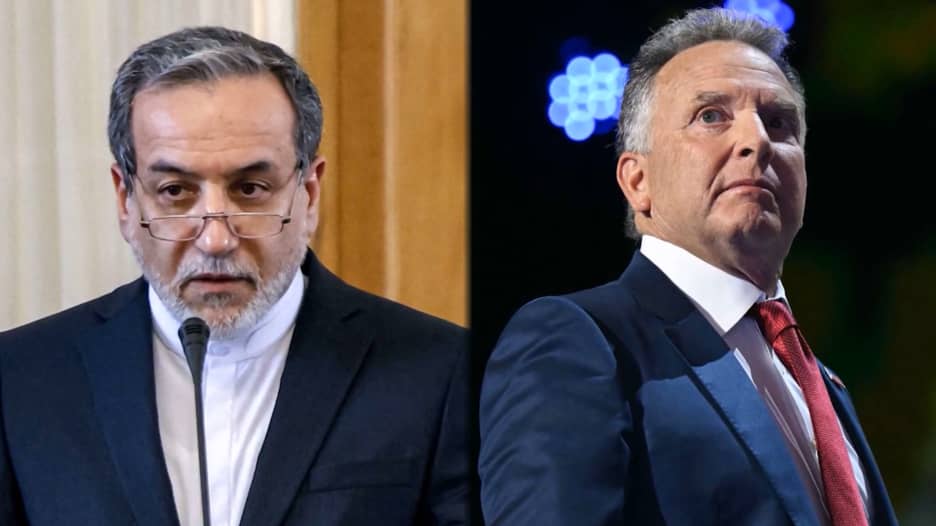
Iranian Parliament Speaker Mohammad Baqer Qalibaf confirmed that Iran has not engaged in any negotiations with the United States, indicating that the news circulating in this context is merely rumors intended to influence financial markets and to distract from the crises faced by Washington and its ally Israel. Qalibaf made these statements via his official account on the X platform, clarifying the Iranian authorities' positions regarding the current situation.
Qalibaf criticized what he described as "fake news," asserting that it aims to "apply psychological pressure" on the Iranian people and works to sow doubts about the strength of Iran's position in the current complex circumstances. He also expressed his full support for his country's leadership and the Iranian people until they achieve clear national goals.
Details of the Event
In his remarks, Qalibaf pointed to the Iranian desire for achieving "comprehensive and modest sanctions" against those they consider adversaries. He emphasized that the Iranian government remains steadfast in its policies and will not yield to external pressures. This stance reflects a broader narrative within Iranian politics, where maintaining sovereignty and resisting foreign influence are seen as paramount.
Furthermore, Qalibaf's comments come at a time when tensions in the region are high, with various geopolitical factors at play. The Iranian leadership appears to be consolidating its position domestically while facing external challenges, particularly from the U.S. and its allies. The parliament speaker's statements are likely aimed at rallying public support and reinforcing national unity in the face of perceived threats.
Background & Context
The relationship between Iran and the United States has been fraught with tension for decades, particularly since the 1979 Islamic Revolution. Diplomatic relations were severed, and both nations have since engaged in a series of confrontations, both directly and through proxy conflicts in the region. The U.S. has imposed numerous sanctions on Iran, which Tehran has consistently condemned as unjust and harmful to its economy.
In recent years, particularly during the Trump administration, the U.S. withdrew from the Joint Comprehensive Plan of Action (JCPOA), a landmark nuclear agreement aimed at curbing Iran's nuclear program in exchange for sanctions relief. This withdrawal exacerbated tensions and led to a series of escalatory measures from both sides, including military confrontations and cyberattacks.
Impact & Consequences
Qalibaf's statements are significant as they reflect Iran's ongoing strategy to project strength and resilience amid external pressures. By denying any negotiations with the U.S., the Iranian leadership seeks to maintain a narrative of independence and defiance, which resonates with a population that has faced years of economic hardship due to sanctions.
The implications of these statements could influence regional dynamics, particularly in how Iran interacts with its neighbors and adversaries. If Iran continues to assert its position against the U.S., it may lead to further isolation but could also galvanize support from other nations that share similar grievances against American foreign policy.
Regional Significance
The geopolitical landscape in the Middle East is heavily influenced by the Iran-U.S. relationship. Iran's refusal to engage in negotiations could lead to increased tensions not only with the U.S. but also with other nations in the region that are allied with Washington. This could result in a more volatile environment, with potential repercussions for security and stability across the Middle East.
Moreover, the Iranian leadership's emphasis on national unity and resilience may serve to strengthen its domestic position, especially as it faces challenges from both internal dissent and external pressures. The regional significance of Qalibaf's remarks cannot be understated, as they may shape future diplomatic interactions and conflict scenarios in an already complex geopolitical landscape.
In conclusion, Qalibaf's firm denial of negotiations with the U.S. underscores Iran's commitment to its sovereignty and its determination to navigate the ongoing crises without conceding to external demands. As regional tensions continue to rise, the Iranian government's stance will likely play a crucial role in shaping the future of Middle Eastern politics.