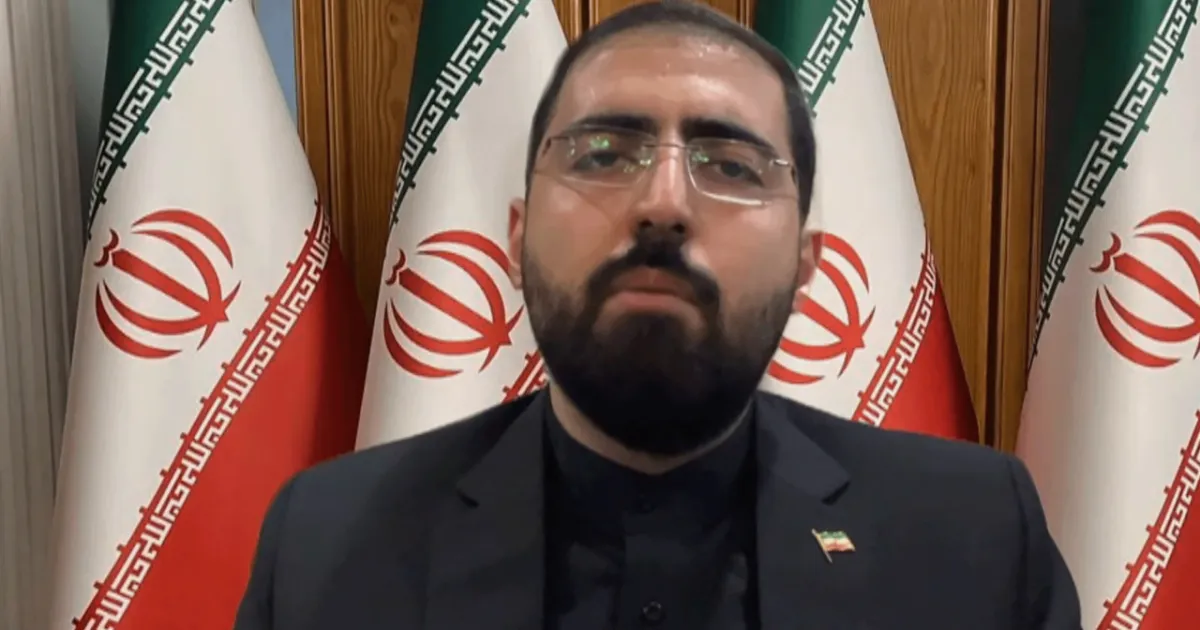
Ali Safri, advisor to the official spokesperson of the Iranian Foreign Ministry, denied any negotiations between Iran and the United States, indicating that what is occurring is merely the transmission of messages through various channels. Safri confirmed that Tehran is striving to end the war, but the tense field situation makes any political proposal seem more like a surrender document than an equitable diplomatic agreement.
These statements came after the expiration of the 10-day deadline set by former US President Donald Trump for Iran to reach a new agreement or change its policies, particularly regarding its nuclear program and the closure of the Strait of Hormuz. Safri clarified that Tehran views all American proposals with pessimism, considering them unrealistic and exaggerated.
Details of the Event
In statements made to Al Jazeera Mubasher, Safri categorically denied Trump's claims that Iran requested a ceasefire, describing these statements as incorrect and unfounded. He considered them part of the psychological warfare being waged by the US administration, indicating that Trump seeks to portray Iran as being in a position of weakness before both the global and American domestic public opinion.
Safri also addressed the cohesion of the Iranian internal front, confirming that Iranian institutions are working in complete coordination, denying the existence of substantial disagreements in decision-making between the diplomatic and military wings in facing American threats. He explained that this coordination reflects Iran's strength in confronting current challenges.
Background & Context
The region has witnessed an escalation in military and security tensions since the end of last month, with Israel and the United States launching attacks on Tehran, resulting in the deaths of significant leaders in the Islamic Republic of Iran and the destruction of many strategic facilities. In response to these attacks, Tehran has carried out missile and drone strikes on targets in Israel and other locations in the region, which it considers to represent American interests.
These developments come at a sensitive time, as fears of greater escalation in the conflict are rising, threatening stability in the region and complicating political and security situations. These events have impacted relations between Iran and Western countries, especially amid increasing pressures on Tehran regarding its nuclear program.
Impact & Consequences
Many analyses predict that these developments will lead to increased tensions in the region, potentially resulting in greater military escalation. The continuation of the current situation could negatively affect the Iranian economy, which is already suffering from American sanctions. At the same time, these conditions may strengthen hardline positions within Iran, making it difficult to achieve any progress in future negotiations.
Furthermore, military escalation could impact regional security, as neighboring countries may be directly affected, increasing the likelihood of new conflicts erupting in the region. Many observers believe that these conditions could lead to a reshaping of alliances in the Middle East.
Regional Significance
The recent developments in Iranian-American relations are of great importance to Arab countries, as any escalation in the conflict could affect security and stability in the region. Additionally, tensions between Iran and Western countries could lead to increased sectarian and political divisions in some Arab states, complicating security situations further.
Ultimately, the question remains as to how Arab countries will respond to these developments and what strategies they will adopt to face the challenges arising from escalating tensions in the region. Maintaining regional stability and security requires high coordination among Arab states to confront common challenges.