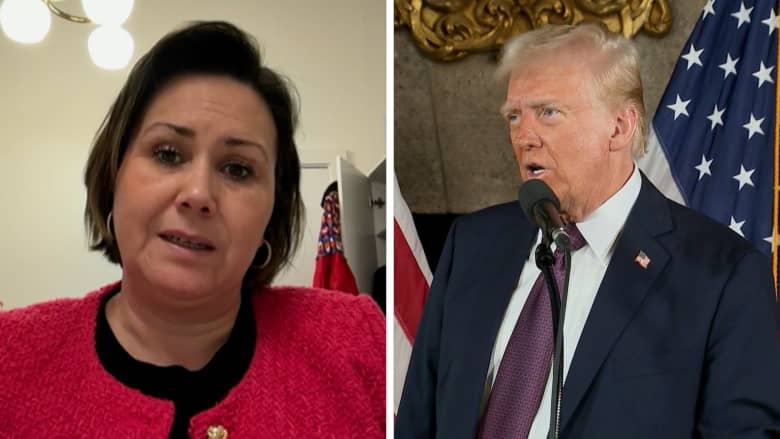
Iran has firmly rejected former President Donald Trump's claims regarding ongoing discussions between the two nations, labeling them as fake news. This statement comes amid escalating tensions between Tehran and Washington, raising concerns about the future of their bilateral relations.
Trump's remarks were made during a television interview, where he alleged that secret communications were taking place with Iran. However, the spokesperson for the Iranian Foreign Ministry denied these allegations, emphasizing that Tehran is not engaged in any talks with the current U.S. administration.
Details of the Incident
These statements come at a particularly sensitive time, as relations between Iran and the United States have been increasingly strained since Washington's withdrawal from the nuclear agreement in 2018. Since then, the United States has imposed stringent sanctions on Iran, adversely affecting the Iranian economy and exacerbating internal crises.
In this context, Iran continues to develop its nuclear program, which raises concerns within the international community. Tehran has warned that it will take further steps if the sanctions imposed on it are not lifted.
Background & Context
Historically, relations between Iran and the United States have experienced significant fluctuations. Since the Islamic Revolution in 1979, the relationship between the two countries has been tense, with Washington accusing Tehran of supporting terrorism and threatening regional security. In contrast, Iran views the United States as seeking to interfere in its internal affairs.
In recent years, some European countries have attempted to mediate between the two sides, but those efforts have not yielded tangible results. As tensions escalate, the region has become more susceptible to conflicts, affecting regional stability.
Impact & Consequences
Trump's statements are seen as a political maneuver aimed at influencing American public opinion ahead of the upcoming elections. On the other hand, these remarks could escalate tensions between Iran and the United States, increasing the risk of military confrontation.
Moreover, these developments impact global markets, as oil prices are significantly affected by tensions in the Middle East. Any escalation in relations between Tehran and Washington could lead to rising prices, impacting the global economy.
Regional Significance
The Iranian-American relationship has a significant impact on Arab countries, especially those sharing borders with Iran. The tensions between the two sides could lead to increased divisions in the region, further enhancing instability.
Furthermore, any escalation in the conflict could affect regional security, threatening the interests of Arab nations and increasing internal tensions in some countries.
In conclusion, the Iranian-American relations remain a focal point of great interest, intertwined with numerous political and economic factors. As tensions continue, there is hope for peaceful solutions to avoid further escalation.