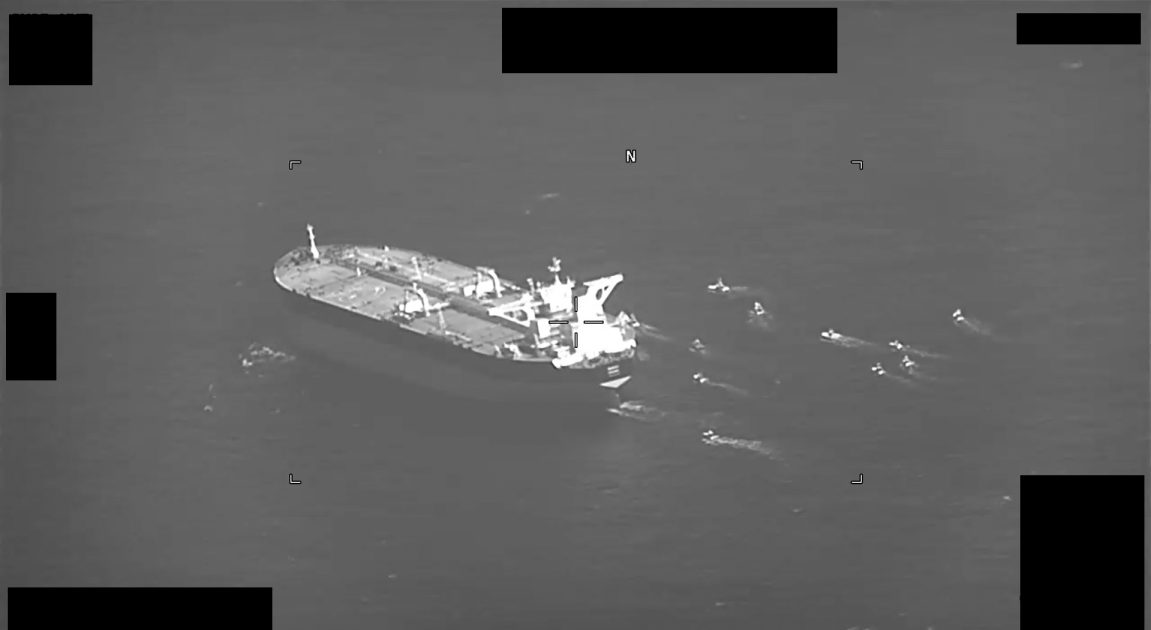
In a new escalation of tensions in the region, the naval forces of the Iranian Revolutionary Guard seized two commercial vessels in the Strait of Hormuz on Friday, April 24. Iran claimed that the vessels, named MSC-Francesca and Epaminondas, were operating without permission and had connections to Israel.
Reports indicate that the Iranian Revolutionary Guard accused the vessels of violating maritime laws, which threatened the safety of navigation in the area. The vessels were intercepted before crossing the strait and were escorted to Iranian territorial waters.
Details of the Incident
This incident comes at a sensitive time, as the region has been experiencing increasing tensions since the onset of the war launched by the United States and Israel against Iran on February 28. Iran has demonstrated its capability to control the Strait of Hormuz, through which approximately 20% of global oil supplies pass.
On April 13, the U.S. Navy imposed a blockade on Iranian ports, negatively impacting global energy supplies, particularly in Asia. These events have heightened tensions between Iran and the United States and its allies, raising concerns about regional stability.
Background & Context
The Strait of Hormuz is considered one of the most important maritime passages in the world, linking the Arabian Gulf to the Indian Ocean. Historically, the strait has witnessed numerous military conflicts and political tensions, especially between Iran and Western countries. The sanctions imposed on Iran have exacerbated tensions, as Tehran seeks to maintain its influence in the region.
Impact & Consequences
This incident underscores the strategic importance of the Strait of Hormuz, where any escalation in tensions could have significant effects on global oil markets. The detention of commercial vessels may lead to an increase in oil prices and affect energy supplies in importing countries. Furthermore, these events could escalate military conflicts in the region, increasing the risk of a broader conflict.
Regional Significance
This incident highlights ongoing tensions in the Strait of Hormuz and their potential impact on global oil markets. The situation remains precarious, with the potential for further escalations that could disrupt international shipping and energy supplies.
In conclusion, the detention of these vessels by Iran not only raises immediate concerns about maritime security but also reflects the broader geopolitical struggles in the region, which could have far-reaching implications for global stability.