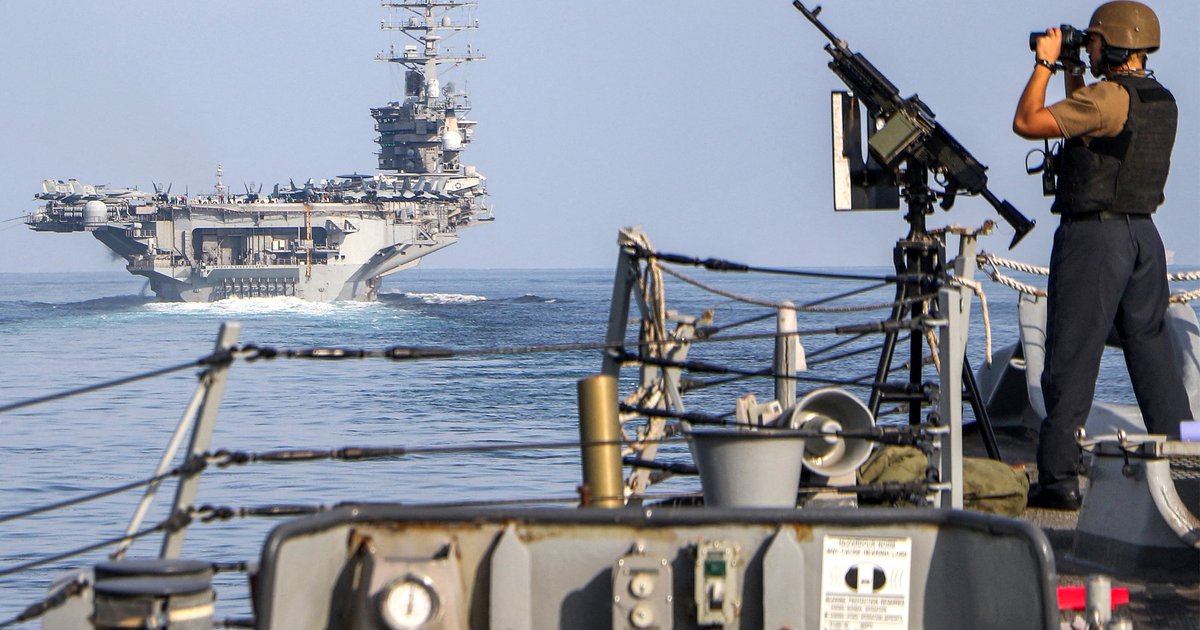
In a move that may reflect an improvement in relations between Iran and the United States, Tehran has announced it will allow non-hostile vessels to transit through the Strait of Hormuz, a vital waterway connecting the Arabian Gulf to the Gulf of Oman. This information came in an official statement sent by Iran to the International Maritime Organization, indicating Tehran's desire to ease tensions in the region.
This step comes at a sensitive time, as the United States and Iran continue to engage in talks aimed at ending their ongoing dispute. According to media reports, allowing the passage of non-hostile vessels is part of a comprehensive plan consisting of 15 points presented by Washington to Tehran, aimed at achieving greater stability in the region.
Details of the Development
The Strait of Hormuz is considered one of the busiest waterways in the world, through which approximately 20% of the world's total oil passes. The area has witnessed increasing tensions in recent years, with Iran threatening navigation in the strait as part of its strategy to pressure the United States and its allies in the region. Allowing the passage of non-hostile vessels could be a positive step toward alleviating these tensions.
Iranian statements suggest that Tehran is seeking to improve its international image, especially amidst the economic pressures it faces due to American sanctions. This move may also reflect Iran's desire to regain some of its oil revenues that have been severely affected by the sanctions.
Background & Context
Historically, the Strait of Hormuz has been a theater for numerous conflicts and tensions between Iran and the United States. Since the U.S. withdrawal from the Iranian nuclear deal in 2018, tensions between the two countries have escalated, leading to a series of maritime incidents and attacks on commercial vessels. In this context, Iran's statements come as an unexpected step that could open the door to new dialogue.
In recent years, Iran has attempted to bolster its influence in the region by supporting armed groups in Iraq, Syria, and Lebanon, which has increased concerns among the United States and its allies. However, the shift toward easing tensions in the Strait of Hormuz may indicate a change in Iranian strategy.
Impact & Consequences
If Iran continues to allow the passage of non-hostile vessels, it could lead to improved relations between Tehran and Washington, contributing to the stability of global oil markets. Additionally, this step may help reduce tensions in the region, positively impacting maritime security.
However, there are questions about Iran's commitment to this step, especially given its long history of violations. The reactions from U.S. allies in the region, such as Saudi Arabia and the UAE, will be crucial in determining the success of this initiative.
Regional Significance
The Arabian Gulf region is one of the most sensitive areas in the world, where economic and political interests intertwine. If Iran succeeds in improving its relations with the United States, it could lead to greater stability in the region, benefiting Arab countries that rely on stable oil prices.
On the other hand, some Arab nations may feel concerned about any rapprochement between Iran and the United States, particularly amidst fears of increased Iranian influence in the region. Therefore, close monitoring of developments will be essential to understand the potential impact on regional security.