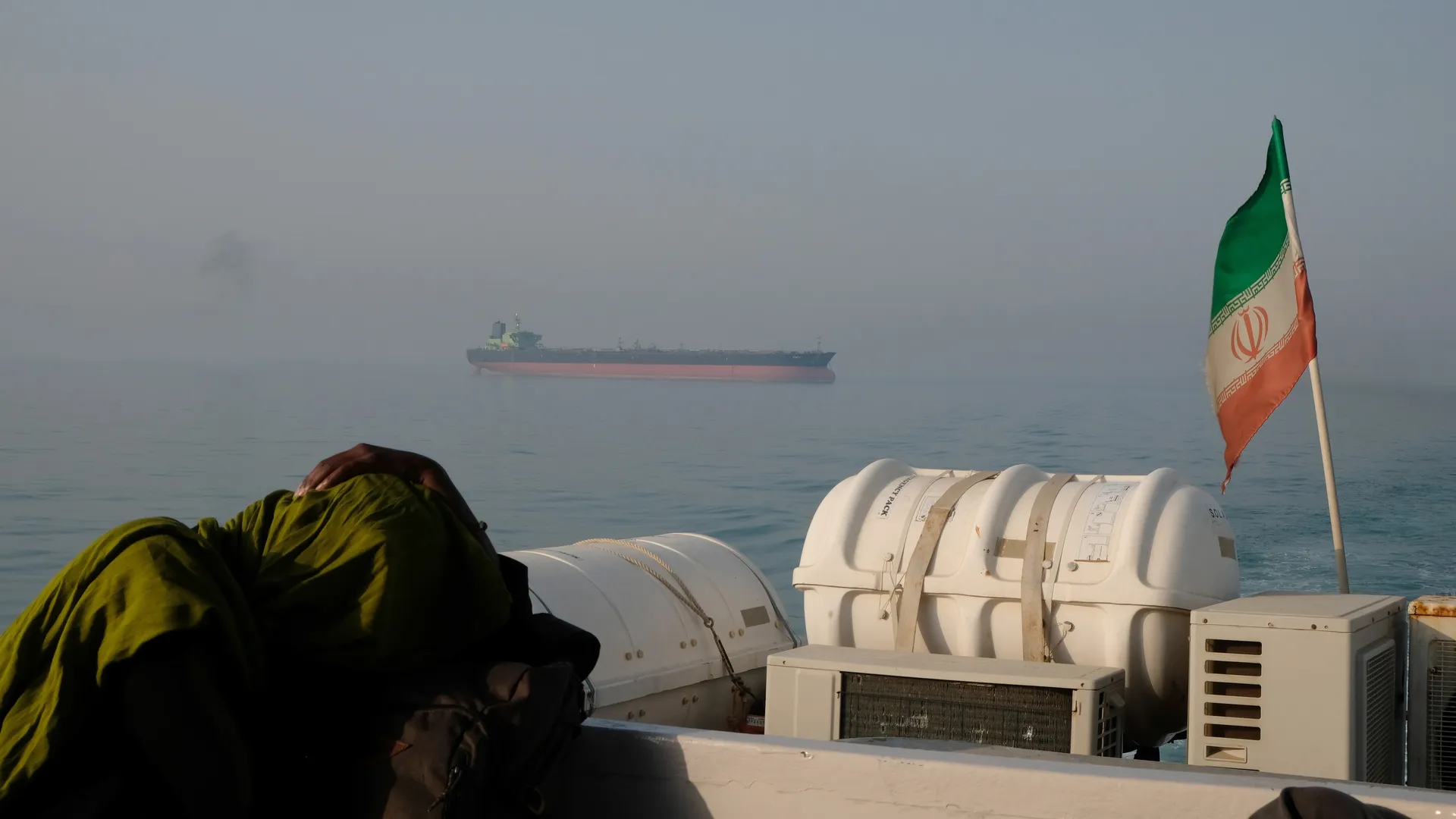
An Iraqi oil tanker loaded with crude oil crossed the Strait of Hormuz on Sunday after Iranian authorities exempted Iraq from the imposed oil export restrictions. This move comes at a sensitive time for relations between the two countries, as Baghdad seeks to enhance its oil exports amid current economic challenges.
The tanker, carrying a significant shipment of Iraqi oil, is set to unload its cargo in Malaysia, reflecting Iraq's desire to expand its oil markets. The Iraqi government has expressed its gratitude to Tehran for this exemption, highlighting the increasing cooperation between the two sides in the energy sector.
Details of the Event
According to data from the London Exchanges Group and Kepler, this tanker represents an important step in strengthening economic relations between Iraq and Iran. Iraq heavily relies on its oil exports to meet its financial needs, and this Iranian exemption has helped alleviate pressures on the Iraqi economy.
This step also signals the potential for enhanced cooperation between the two countries in other areas, as Iraq aims to increase its oil production and expand its exports to global markets. This comes at a time when pressures are mounting on Iraq due to falling global oil prices.
Background & Context
Historically, relations between Iraq and Iran have been volatile, especially following the Iran-Iraq War in the 1980s. However, recent years have witnessed a notable rapprochement between the two countries, as both seek to achieve economic and political stability. Iran is one of Iraq's largest neighbors and has significant influence over Iraqi politics.
In recent years, Iraq has faced major challenges in the energy sector, including political and economic instability. Nevertheless, Iran's exemption of Iraq from oil restrictions represents a positive step towards enhancing regional cooperation and achieving stability in the area.
Impact & Consequences
This exemption could have positive effects on the Iraqi economy, as it will help increase oil revenues, which are the primary source of funding for the Iraqi budget. Additionally, strengthening cooperation with Iran could open new avenues for Iraq in other fields, such as trade and investment.
On the other hand, this cooperation may raise concerns among other countries in the region, especially those competing with Iran for influence. Therefore, Iraq must navigate these relations carefully to ensure that its national interests are not adversely affected.
Regional Significance
This step serves as a clear message about the importance of regional cooperation in addressing economic challenges. Amid the crises facing many Arab countries, cooperation between Iraq and Iran could serve as a model for enhancing economic relations among Arab nations.
Moreover, this collaboration may contribute to greater stability in the region, potentially helping to reduce political and economic tensions. Strengthening relations between Iraq and Iran could have positive implications for security and stability in the region as a whole.
In conclusion, Iran's exemption of Iraq from oil export restrictions represents an important step towards enhancing cooperation between the two countries. Iraq looks forward to leveraging this opportunity to strengthen its economy and increase its oil exports, which may contribute to achieving stability in the region.