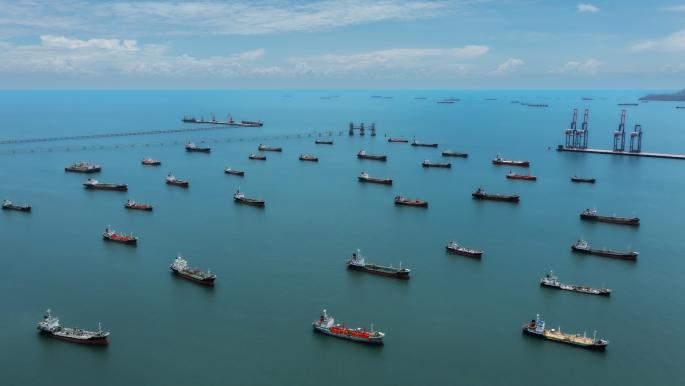
The Philippine Department of Foreign Affairs has confirmed that Manila received assurances from Iran regarding the safe passage of vessels flying the Philippine flag through the Strait of Hormuz. This announcement comes at a sensitive time, as the Strait of Hormuz is one of the world's most critical maritime passages, serving as a vital transit point for oil and gas shipments.
This initiative is part of efforts to strengthen relations between Iran and the Philippines, with Manila seeking to secure its economic interests in the region. Iran has confirmed that it will ensure the safety of Philippine ships, reflecting its desire to improve relations with Asian countries.
Details of the Assurance
These guarantees are seen as a positive step from Iran amidst ongoing tensions in the region. Officials from the Philippine Department of Foreign Affairs noted that this move will help enhance trade between the two countries, particularly in the energy sector. The assurances also encompass fuel shipments and sailors, demonstrating Iran's commitment to fostering economic cooperation.
It is important to note that the Strait of Hormuz is one of the busiest maritime corridors globally, with approximately 20% of the world's oil passing through it. Consequently, any developments in this strait directly impact global markets.
Background & Context
Historically, relations between Iran and the Philippines have experienced numerous fluctuations, with Manila adopting a balanced policy towards Tehran. As tensions in the Middle East escalated, the Philippines has been cautious in its dealings with Iran, particularly amid international pressures and sanctions imposed on Tehran.
Nonetheless, the Philippines is striving to diversify its energy sources and strengthen its economic ties with oil-producing countries, including Iran. In recent years, there has been an increase in cooperation between the two nations across various sectors, including trade and investment.
Impact & Consequences
These guarantees from Iran represent a significant step towards enhancing stability in the region. They could lead to increased trade flows between the Philippines and Iran, benefiting both economies. Additionally, this move may encourage other countries to strengthen their relations with Iran, especially in light of the geopolitical changes occurring in the region.
On the other hand, these guarantees may raise concerns among some nations monitoring the situation in the Strait of Hormuz, particularly those with economic interests in the area. Therefore, any escalation of tensions could affect global trade flows.
Regional Significance
These developments are of great importance to the Arab region, as any changes in the situation in the Strait of Hormuz directly affect oil-producing Arab countries. Furthermore, the strengthening of relations between Iran and the Philippines could open avenues for further cooperation between Iran and other nations in the region.
In conclusion, these assurances from Iran reflect a step towards enhancing economic cooperation with the Philippines, which may contribute to improving relations between the two countries. However, the situation in the region remains sensitive and requires careful monitoring by all concerned parties.