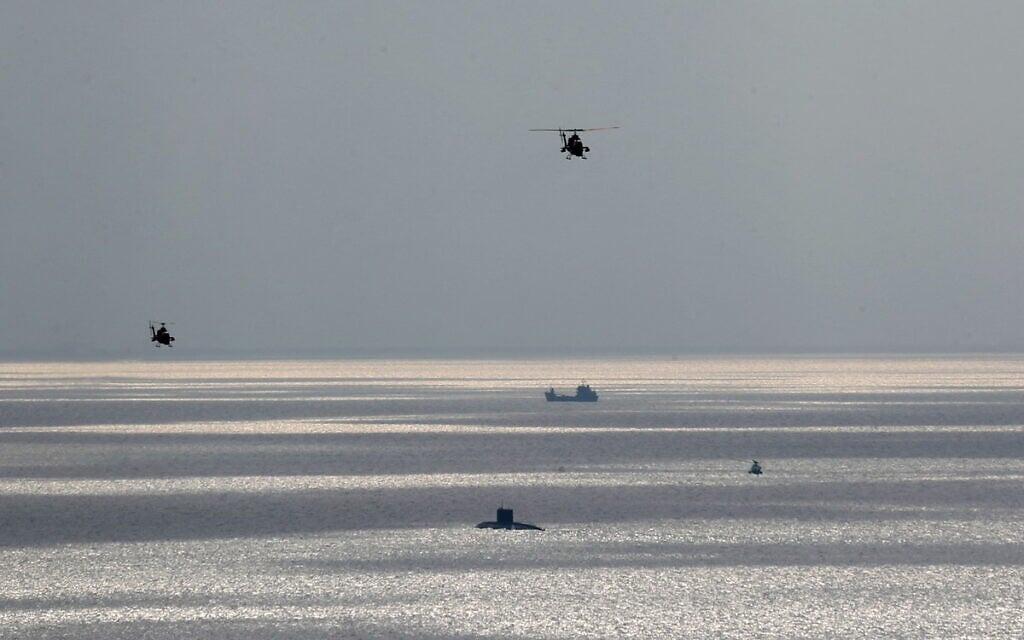
Iran has declared a halt to navigation in the Strait of Hormuz, one of the world's most important waterways, following the recent escalation of Israeli attacks on Lebanon. This decision comes at a time when the region is experiencing increasing tensions, raising concerns about the stability of global trade.
According to the Iranian news agency, the Israeli attacks on Lebanon have prompted Iran to take this precautionary measure. The Strait of Hormuz is a vital transit point for oil and natural gas, through which approximately 20% of the world's total oil supply passes.
Details of the Situation
In recent days, Israeli attacks on Lebanon have intensified, leading to a deterioration of security conditions in the region. Iran has confirmed that it will take all necessary measures to protect its national interests, including the potential closure of the Strait of Hormuz if deemed necessary. This action could significantly impact international trade, especially given the heavy reliance on these waterways for energy transport.
These developments come at a sensitive time, as many countries are seeking to secure their energy supplies amid fluctuations in global prices. Analysts have indicated that this decision could lead to an increase in oil prices in global markets, affecting economies that depend on oil.
Background & Context
Historically, the Strait of Hormuz has been a strategic point in the Arabian Gulf, witnessing numerous conflicts and disputes. In recent years, tensions between Iran and Israel have escalated, particularly following the United States' withdrawal from the Iranian nuclear agreement. This military escalation could have wide-ranging implications for regional and international security.
Additionally, the situation in Lebanon, which is grappling with political and economic crises, may complicate matters further. The Israeli attacks on Lebanon are part of the ongoing conflict between Israel and Hezbollah, intensifying tensions in the region.
Impact & Consequences
These events are expected to have a significant impact on global markets, as many countries rely on oil supplies from the Gulf region. If the closure of the Strait of Hormuz continues, we may witness a rise in oil prices, which will affect global economies, particularly those that rely on oil as a primary energy source.
The military escalation may also lead to international interventions, as major powers seek to maintain stability in the region. We may see diplomatic moves from the United States and other countries aimed at de-escalating tensions.
Regional Significance
The situation in the Gulf is critical, as these events signal a rise in tensions that could destabilize the global economy. The Strait of Hormuz is not only a key transit route for energy supplies but also a flashpoint for geopolitical conflicts that could have far-reaching consequences.
In conclusion, the Iranian decision to halt navigation in the Strait of Hormuz underscores the fragility of regional stability and the potential for escalating conflicts that could disrupt global trade and energy supplies.