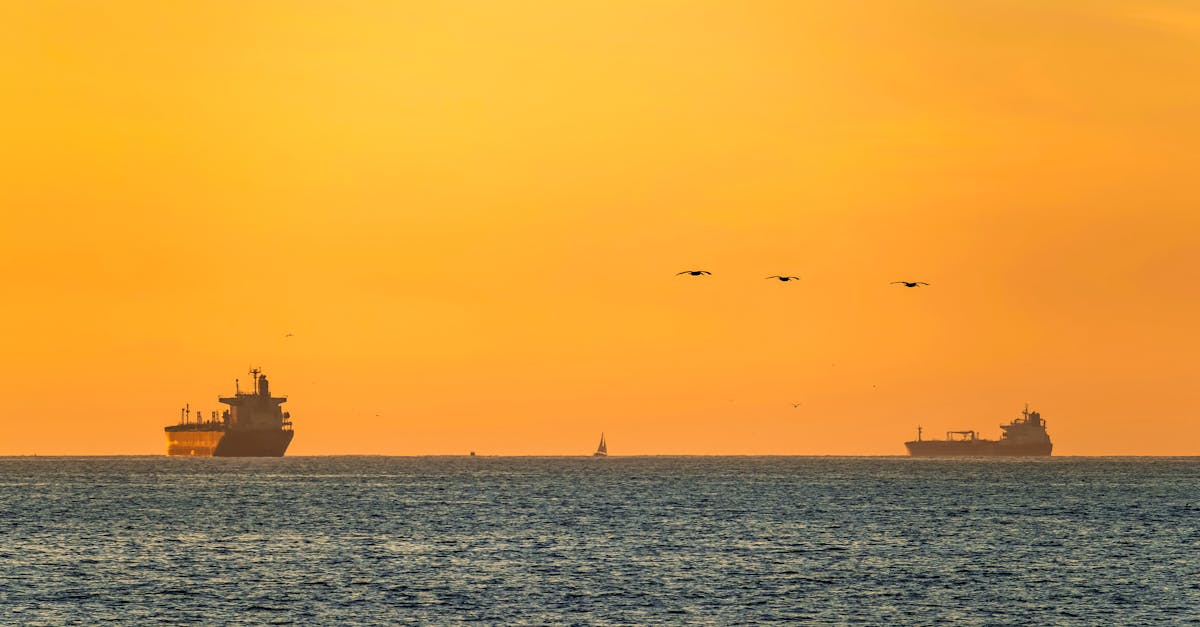
Iran has announced the suspension of oil tanker and ship movements through the Strait of Hormuz, following Israeli attacks on Lebanon. This decision comes at a sensitive time marked by increasing tensions in the region, where the Strait of Hormuz is a vital point for global oil transportation.
This move by Iran is seen as a reaction to the Israeli military escalation witnessed at the Lebanese borders. This escalation has raised concerns about the potential for conflict in the region, which could impact the stability of global oil markets.
Details of the Incident
As Iran continues to bolster its military presence in the region, the decision to suspend ship movements reflects Iranian concerns over the repercussions of Israeli attacks. Iranian sources have confirmed that this suspension will continue until further notice, raising questions about its impact on international trade.
The Strait of Hormuz is one of the most important waterways in the world, through which approximately 20% of the world's total oil passes. Therefore, any disruption in transportation through this strait could lead to a significant increase in oil prices and heightened tensions in the markets.
Background & Context
Historically, the region has witnessed numerous armed conflicts that have significantly impacted trade and transportation. The tensions between Iran and Israel have exacerbated the situation, with both countries exchanging accusations regarding support for armed groups in the area.
Over the years, there have been multiple attempts to reach peace agreements; however, military escalation continues. The Strait of Hormuz remains a focal point in these conflicts, as each party seeks to enhance its influence in the region.
Impact & Consequences
This step is expected to affect global oil prices, as any disruption in transportation through the Strait of Hormuz could lead to a noticeable increase in prices. Additionally, this decision may contribute to escalating tensions between Iran and Western countries, potentially leading to greater military escalation.
Moreover, the suspension of ship movements may impact global companies that rely on Iranian oil, resulting in widespread economic repercussions. This decision serves as a warning to countries seeking to maintain market stability.
Regional Significance
This decision comes at a sensitive time for the Arab region, where many countries are facing economic and political crises. An escalation of tensions in the area could worsen the situation, affecting security and stability in neighboring countries.
Furthermore, this decision may raise concerns among Arab countries that depend on oil, as rising prices could increase the economic burdens on citizens. Under these circumstances, Arab nations must take proactive measures to address any potential repercussions.
In conclusion, the suspension of oil tanker movements through the Strait of Hormuz reflects the increasing tensions in the region and poses a significant challenge to regional security and stability. The international community must closely monitor these developments and work towards peaceful solutions to avoid military escalation.