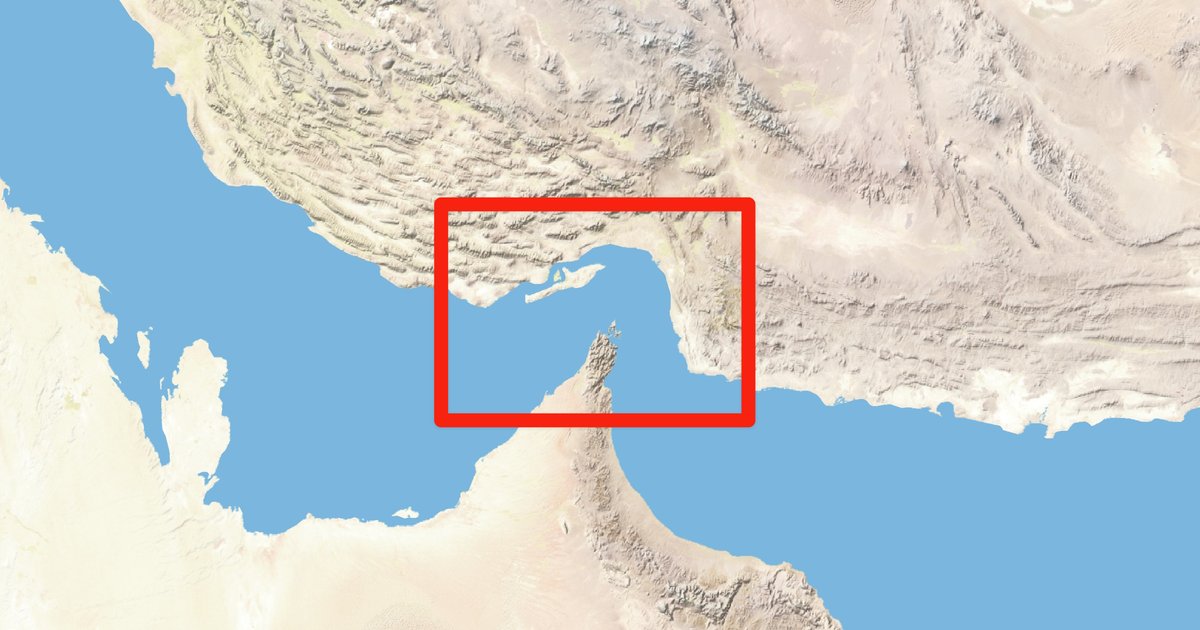
Iran has announced the implementation of a new transit system in the Strait of Hormuz, transforming the strait into an open battleground. This new system has changed global navigation rules, directly impacting energy prices in global markets.
Amid these developments, concerns have grown that Iran may seek to impose fees on ships passing through the strait, which could escalate tensions in the region and complicate the geopolitical landscape.
Details of the Event
The Strait of Hormuz, considered one of the most important waterways in the world, sees about 20% of the world's total oil passing through it. With Iran's announcement of a new transit system, it remains unclear how navigation in this vital strait will be affected. Reports indicate that Iran may impose restrictions on ship passage, raising alarms among oil-importing nations.
The United States, for its part, has warned that this move could lead to military escalation in the region. The U.S. Department of Defense has confirmed that any attempt by Iran to impose fees on ship passage will face a strong reaction from American forces.
Background & Context
Historically, the Strait of Hormuz has been the theater of numerous conflicts and disputes, particularly between Iran and the United States. In recent years, tensions between the two sides have escalated, especially following the U.S. withdrawal from the Iranian nuclear deal in 2018. Since then, the region has witnessed an increase in military activities and mutual threats.
Iran, which considers itself the main regional power, seeks to enhance its influence in the area by controlling waterways. This new transit system may be part of a broader strategy aimed at reinforcing Iranian control over the Strait of Hormuz.
Impact & Consequences
If Iran succeeds in imposing a fee system, it could lead to a significant increase in oil prices, affecting the global economy. Oil-importing countries will face new challenges in securing their supplies, potentially leading to higher transportation and shipping costs.
Rising tensions in the region may also lead to increased military activity, as the United States and its allies may seek to protect their interests in the area. This situation could create an unstable environment impacting both regional and international security.
Regional Significance
For Arab countries, any escalation in the Strait of Hormuz will have direct repercussions on their economies. Many Gulf nations heavily rely on oil exports through this strait. Any restrictions on navigation could lead to fluctuations in financial markets and rising prices.
Furthermore, this situation may heighten tensions between Arab nations and Iran, potentially hindering peace and stability efforts in the region. It is crucial for Arab countries to monitor developments in this context and take proactive steps to protect their interests.
In conclusion, the new transit system in the Strait of Hormuz poses a significant challenge to global navigation and could have far-reaching implications for the economy and security in the region. The international community must address these developments with caution and awareness.