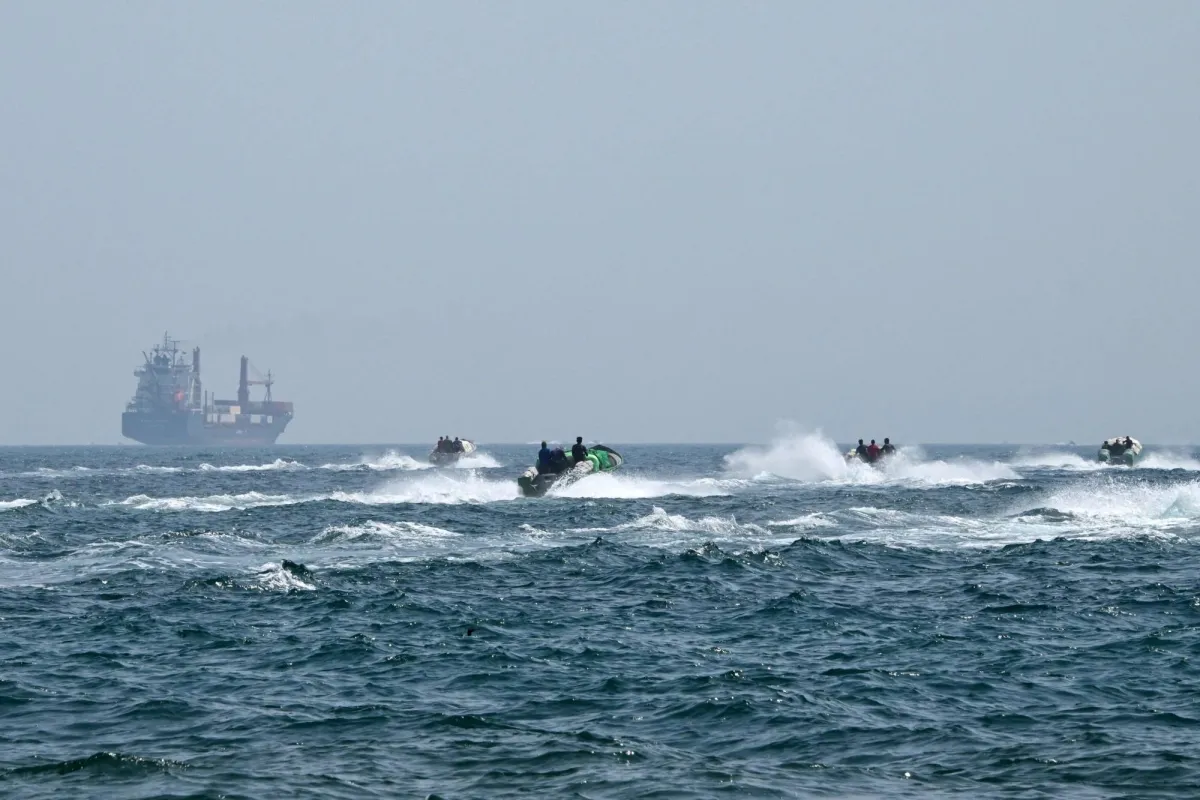
Iran's Revolutionary Guard has imposed a new system resembling toll collection points to control international shipping traffic in the Hormuz Strait, according to an analysis published by the British maritime and shipping magazine "Lloyd's List." This system requires ships to provide necessary documentation and obtain clearance codes, in addition to accepting Revolutionary Guard escort through a single corridor under its control.
The report, relayed by the German news agency, indicated that 26 ships have crossed the strait since March 13 of this year via a designated route around Lark Island, located off Iran's southern coast. According to informed sources, ship operators are required to communicate with Revolutionary Guard-approved intermediaries before departing ports and submit documents that include ship data and destinations.
Details of the New System
The new system includes stringent measures, requiring ships to provide accurate information about their identity and crew, prioritizing oil shipments. Although some vessels may not pay direct fees, there are reports of at least two ships that have paid fees, with payments settled in Chinese yuan.
In a related context, the Iranian mission to the United Nations confirmed that ships not deemed hostile to Iran can use the Hormuz Strait, provided they comply with Iranian security regulations and coordinate with the relevant authorities. This statement reflects Iran's desire to maintain navigation despite the new measures imposed.
Background & Context
The Hormuz Strait is considered one of the most important waterways in the world, through which approximately 20% of global oil supplies pass. Control over this strait reflects the increasing tensions in the region, especially amid ongoing disputes between Iran and the United States and its allies. These measures come at a sensitive time, as fears of escalating military tensions in the area grow.
Historically, the Hormuz Strait has witnessed numerous crises, with Iran using this passage as a means to pressure Western nations, particularly under the sanctions imposed on it. This new step could exacerbate the situation, especially with the rising maritime threats in the region.
Impact & Consequences
The new system imposed by Iran could significantly affect international shipping traffic, raising concerns among companies and investors in the maritime sector. This may lead to increased shipping costs and delays in the delivery of goods, impacting the global economy as a whole.
Furthermore, this system may provoke reactions from Western countries, which may view it as a violation of navigation freedom. If Iran continues to enforce these restrictions, concerned nations may resort to diplomatic or even military actions in response to this move.
Regional Significance
The impact of this system on Arab countries will be noticeable, especially those dependent on oil and natural gas. Any restrictions on shipping traffic could lead to rising oil prices, affecting the economies of these nations. Additionally, escalating tensions in the region could destabilize security, adversely affecting regional stability.
In conclusion, it appears that Iran is seeking to enhance its control over the Hormuz Strait through this system, raising questions about the future of navigation freedom in this vital passage. Under these circumstances, it will be important to monitor international and local reactions to this move.