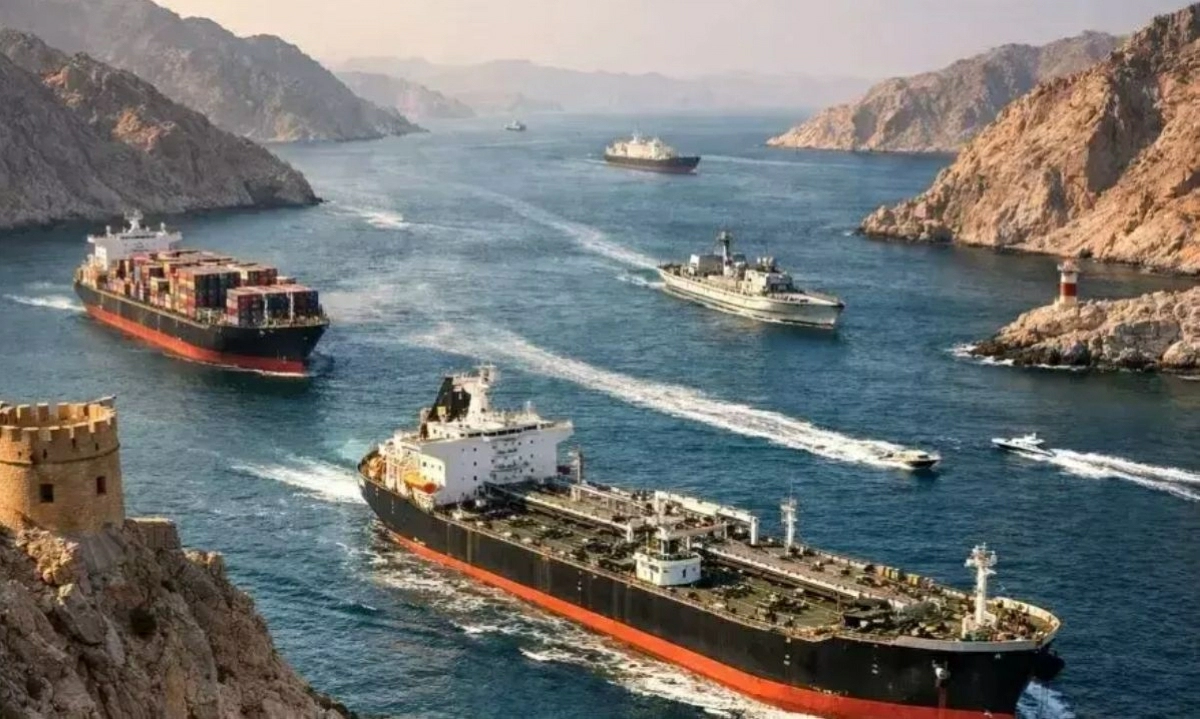
The Iranian parliamentary security committee has approved a new plan aimed at imposing fees on ships transiting through the Strait of Hormuz, in an effort to bolster Iranian control over this strategic waterway. This move comes at a time when tensions in the region are escalating, as the Strait of Hormuz represents a vital transit point for oil and natural gas to global markets.
According to reports, the plan also includes a ban on American and Israeli vessels, reflecting the increasing tensions between Iran and the United States and its allies. Iranian media reported that the plan includes financial arrangements and a fee system in Iranian rials, in addition to enhancing cooperation with Oman on the other side of the strait.
Details of the Plan
Iranian media confirmed that the parliamentary committee on national security and foreign policy clarified that the imposition of fees is part of Iran's efforts to ensure the security of ships passing through the strait. A committee member stated that these fees would help implement Iran's sovereign role in the region.
On the other hand, Iranian government officials indicated that there is coordination with Oman to ensure navigation safety in the strait, as cooperation with neighboring countries is vital under the current circumstances. The head of the civil affairs committee in the Iranian parliament was quoted by Fars News Agency stating that the imposition of fees is a necessary step to ensure the security of vessels.
Background & Context
The Strait of Hormuz is considered one of the most important waterways in the world, with approximately 20% of the world's total oil passing through it. Historically, the strait has witnessed numerous tensions due to regional conflicts, with Iran consistently asserting its sovereignty in the area. Since the onset of the American-Israeli war against Iran, Tehran has disrupted maritime traffic for ships it deems connected to its enemies.
In recent years, Iran has increased its military presence in the region, with the Iranian Revolutionary Guard controlling large parts of the strait. This presence has heightened fears of a potential military escalation in the area, especially with ongoing tensions between Iran and the United States.
Impact & Consequences
This move by Iran represents a challenge to the United States and its allies, as it may exacerbate conditions in the region. The imposition of fees on ships could be seen as a means to pressure countries that rely on Iranian oil, potentially leading to an increase in oil prices in global markets.
Moreover, the ban on American and Israeli vessels may heighten military tensions in the region, potentially escalating the conflict. Some observers have noted that this step could provoke reactions from the United States, increasing the risk of an open military conflict.
Regional Significance
Events in the Strait of Hormuz directly impact Arab countries, especially those that rely on oil as a primary source of revenue. Any escalation in tensions could affect oil prices and lead to economic instability in the region. Additionally, Arab countries may find themselves compelled to deal with the repercussions of these Iranian steps, whether through enhancing military cooperation or seeking alternative energy sources.
In conclusion, the situation in the Strait of Hormuz remains under scrutiny, as any new developments could significantly impact security and stability in the region. It is crucial for Arab countries to closely monitor these developments and prepare to address any potential repercussions.