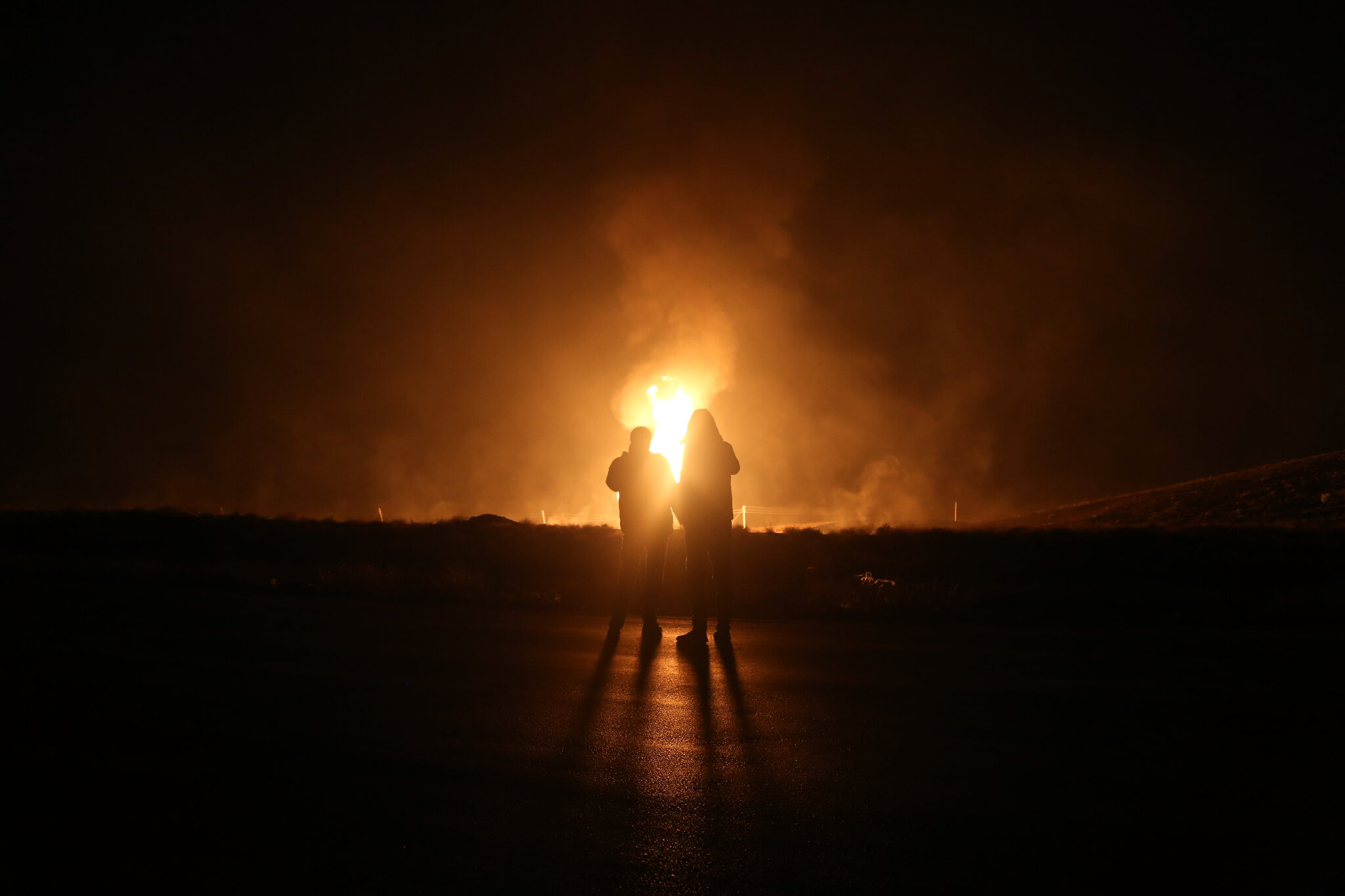
In a serious development, the Iranian Revolutionary Guard Corps (IRGC) announced on Sunday that it has launched attacks on petrochemical facilities in Israel, the United Arab Emirates, Bahrain, and Kuwait. According to the statement, these attacks are part of a reaction to military operations carried out by the United States and Israel since February 28.
The statement indicated that the strikes targeted several vital sites, including oil refineries in Haifa and gas infrastructure in the UAE, as well as American petrochemical companies in Bahrain and Kuwait. The IRGC described these operations as the first phase of their response to what they consider assaults on Iranian sovereignty.
Details of the Attacks
The IRGC reported that the attacks targeted objectives that Iran views as part of American economic interests in the region. The statement noted that these strikes followed military operations that resulted in the death of Ayatollah Ali Khamenei, Iran's Supreme Leader, which heightened tensions in the area.
These attacks represent a significant escalation in the ongoing conflict between Iran and the United States and its allies, with reports indicating that the number of casualties from American attacks has exceeded 1,200, reflecting the devastating impact of these military operations.
Background & Context
Historically, relations between Iran and the United States have seen increasing tensions since the Islamic Revolution in 1979. American policies in the Middle East, including support for Israel, have led to escalating conflicts. In recent years, pressures on Iran have intensified due to economic sanctions, prompting it to adopt more aggressive policies.
These attacks are viewed as part of Iran's strategy to respond to external pressures, as it seeks to bolster its regional position by targeting American and Israeli interests in the area. Additionally, the strikes reflect the growing tensions between Iran and Gulf states, especially amid ongoing conflicts in Yemen and Syria.
Impact & Consequences
Analysts suggest that these attacks could lead to further escalation in the conflict between Iran and the United States, potentially adversely affecting stability in the region. The United States and its allies are likely to respond with new military operations, increasing the risk of a large-scale conflict.
Moreover, these events may impact global oil prices, as any escalation in the region could lead to a rise in prices due to fears of supply disruptions. Consequently, financial markets may experience significant fluctuations as a result of these developments.
Regional Significance
Arab nations, particularly those in the Gulf, find themselves in a precarious position due to these developments. Iranian attacks could heighten tensions between Iran and Gulf states, which may reflect on security and stability in the region. Furthermore, these events could affect relations between Arab states and the United States, especially given the need for security support to counter Iranian threats.
In conclusion, these events underscore the importance of diplomatic dialogue in alleviating tensions in the region. The continuation of conflict could lead to dire consequences for all parties involved, necessitating the search for peaceful solutions.