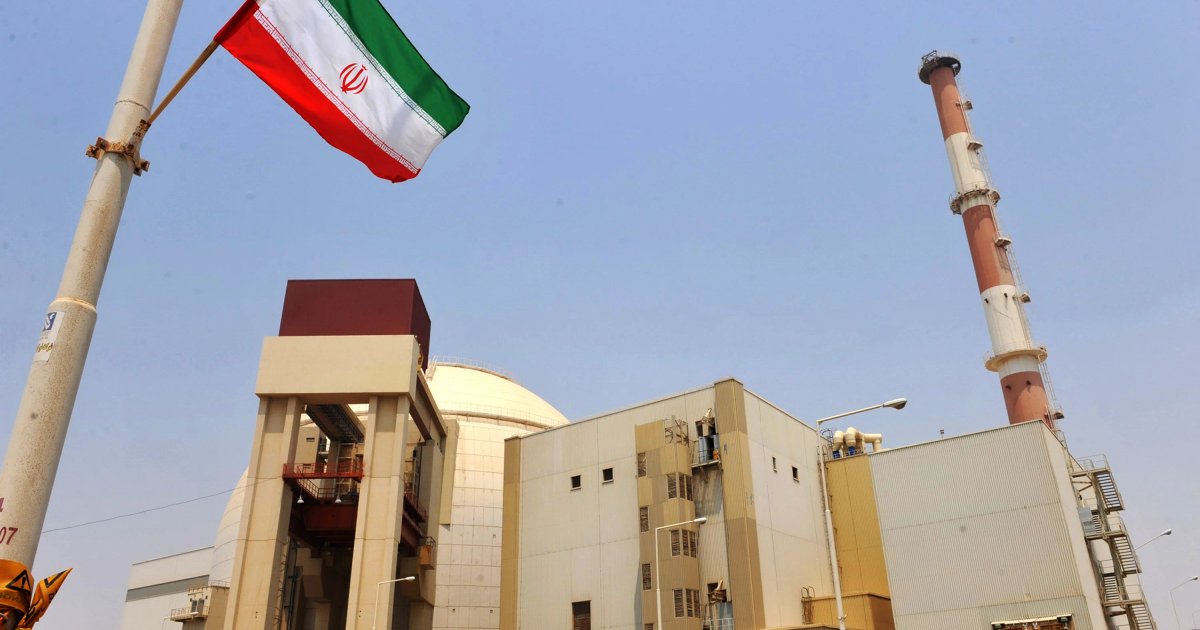
Iran has announced the initiation of a new nuclear energy project in the city of Bushehr, which aims to enhance its capabilities in the field of sustainable energy. This project comes at a time when the country is striving to meet its increasing energy needs and reduce reliance on fossil fuels, amidst economic and political challenges.
The Bushehr nuclear energy project is considered part of Iran's strategy to develop renewable energy sources, as the government seeks to increase electricity production through nuclear technology. The project was announced during an official ceremony attended by several Iranian officials, who emphasized the importance of this project in achieving energy self-sufficiency.
Details of the Project
The project plan includes the construction of new nuclear reactors in Bushehr, which are expected to significantly contribute to increasing electricity production. The project has been designed to comply with international nuclear safety standards, reflecting Iran's commitment to enhancing transparency in its nuclear program.
It was also announced that the project will provide new job opportunities for citizens in the region, contributing to improving the local economic situation. This is part of the Iranian government's efforts to promote sustainable development in remote areas.
Background & Context
Historically, Iran has heavily relied on oil and gas to meet its energy needs. With increasing economic pressures and international sanctions, the Iranian government has begun to seek sustainable alternatives to secure its energy requirements. Nuclear energy has emerged as one of the main options in this context.
Despite the challenges facing Iran in the energy sector, the government is striving to enhance its nuclear capabilities, viewing it as a strategic step towards achieving self-sufficiency. This direction has sparked widespread debate on the international stage, as some countries fear Iran's use of nuclear technology for non-peaceful purposes.
Impact & Consequences
The Bushehr nuclear energy project could have significant implications for the regional and international landscape. Increasing Iran's capacity to produce nuclear energy may bolster its position in international negotiations, particularly regarding the nuclear agreement. This move could also heighten tensions with neighboring countries that are concerned about Iran's nuclear program.
Furthermore, the project may contribute to improving the economic situation in Iran, as it is expected to create new job opportunities and enhance local development. However, the biggest challenge remains how to manage international relations in light of this new direction.
Regional Significance
The nuclear energy project in Bushehr represents a turning point in energy policy in the region. The increase in Iranian nuclear capabilities could lead to a potential nuclear arms race in the area, raising concerns among neighboring Arab countries. It is crucial for these countries to adopt effective strategies to address the new challenges that may arise from this development.
At the same time, these developments may prompt Arab countries to strengthen their cooperation in renewable energy, as they seek to reduce reliance on fossil fuels and enhance environmental sustainability.
In conclusion, the Bushehr nuclear energy project marks an important step in Iran's path towards achieving energy self-sufficiency, but it carries significant challenges on both regional and international levels.