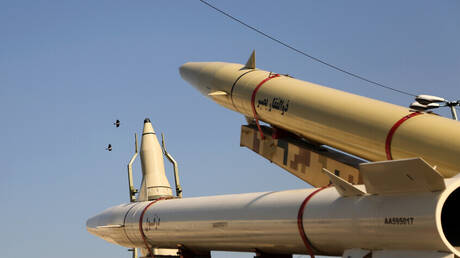
Iran has recently conducted a new missile attack targeting the Negev region in southern Israel, marking the second such attack within less than an hour. This escalation comes at a sensitive time, with increasing fears of rising military tensions in the area.
The first attack, which occurred less than an hour ago, also targeted the same region, indicating a clear Iranian strategy to target Israeli sites. This escalation occurs amid heightened tensions between Iran and Israel, with both sides exchanging accusations of inciting violence in the region.
Details of the Incident
According to reports, the latest missile attack resulted in no injuries or significant damage; however, Israeli authorities have declared a state of maximum alert in the area. Israeli air defense systems have been activated to counter the attacks, reflecting the high military readiness adopted by Israel in response to Iranian threats.
These attacks come at a critical time, as tensions in the Middle East are escalating, particularly following recent statements from Iranian officials regarding their support for armed groups in the region. Furthermore, these attacks reflect an escalation in Iranian strategy aimed at demonstrating its military strength and capability to target deep into Israeli territory.
Background & Context
Historically, relations between Iran and Israel have been marked by ongoing tensions, with Iran considering Israel its arch-enemy. Recent years have seen an escalation in mutual attacks, whether through direct military strikes or by supporting armed groups in the region.
The Negev region is considered one of Israel's strategic areas, housing numerous military bases and vital facilities. Therefore, any attack on this region is viewed as a direct threat to Israeli national security, further intensifying tensions in the area.
Impact & Consequences
These attacks could lead to greater military escalation, as Israel may launch retaliatory operations against Iranian sites or Iranian-backed armed groups. Such escalation could result in a cycle of violence in the region, increasing civilian suffering and affecting regional stability.
Moreover, these attacks could impact international relations, as major powers like the United States and Russia may intervene to mediate or support one of the parties. This intervention could complicate the situation further and lead to additional escalation of tensions.
Regional Significance
These events hold significant importance for Arab countries, reflecting the security challenges facing the region. Military escalations between Iran and Israel could have negative repercussions on regional security, necessitating Arab states to enhance their security cooperation to address shared threats.
Additionally, these events may influence political situations in Arab countries, as some parties may exploit these tensions to bolster their influence in the region. Therefore, close monitoring of events and developments is essential to ensure regional stability.
In conclusion, the Iranian attack on the Negev reflects an escalation in military tensions between Iran and Israel, prompting the international community to take urgent steps to mitigate the escalation and ensure security and stability in the region.