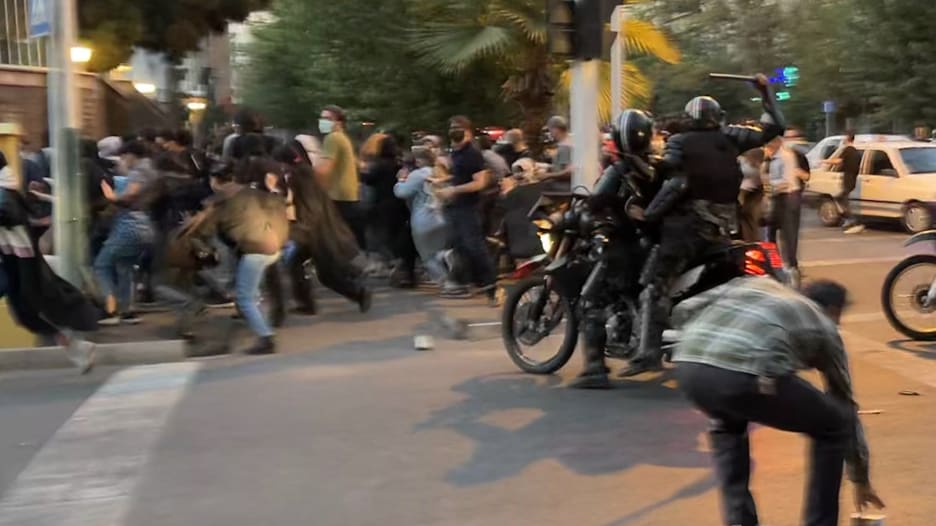
Iranian security authorities announced today, Sunday, that they have conducted an extensive arrest campaign involving dozens of people across various provinces on charges related to espionage and cooperation with hostile entities. An official source reported that the detainees are accused of sending sensitive images, videos, and information concerning Iranian national security to individuals working for foreign intelligence agencies.
This operation comes at a sensitive time for Iran, as security activities against individuals and organizations suspected of collaborating with Western powers, particularly the United States and Israel, have increased, highlighting growing concerns for the Iranian regime.
Details of the Event
According to official statements, this campaign was coordinated highly among various Iranian security and intelligence agencies, reflecting the seriousness with which the authorities regard what they consider threats to national security. Sources indicate that these arrests were focused in strategically sensitive areas, where authorities suspect that activists may have ties to foreign elements aiming to undermine the regime.
Interrogation processes for the detainees are ongoing, with reports suggesting that some may be part of organized networks coordinating the transfer of information. This occurs at a time when the state is exerting pressure on domestic opposition amid heated discussions regarding economic issues and public freedoms.
Background & Context
Iran has a history of political repression, with past and current governments employing stringent methods to deal with any form of opposition or criticism. Since the Islamic Revolution in 1979, the authority of the security agencies has been reinforced, adopting a strict approach to combat any espionage operations or collusion with foreign powers.
In recent years, the pace of arrests has increased, particularly amidst rising tensions between Iran and the West, including economic sanctions and regional crises. Recent events have come as part of a proactive policy aiming to control any opposition movements that could affect internal stability.
Impact & Consequences
This campaign of arrests carries significant implications for the political landscape in Iran, exacerbating the deteriorating relationship between the government and its citizens. Many believe these steps reflect a state of panic among authorities over losing control of the internal situation, which may fuel sentiments of discontent and anxiety among large segments of the Iranian population.
Moreover, this repressive policy could escalate popular reactions, especially with increasing dissatisfaction over economic conditions, rising unemployment, and living costs. The arrest of activists and journalists may escalate tensions on the domestic front, undermining prospects for long-term stability.
Regional Significance
These security measures in Iran send a clear signal to many regimes in the region regarding how to handle internal conflicts and opposition. While some Arab regimes impose similar policies, they may use this repressive model to justify their domestic policies.
The rise of repression in Iran could increase pressures on civil forces and activists in neighboring countries, as there are fears of an uprising or popular movement spiraling out of control, reflecting heightened security concerns in the region.
In conclusion, this event underscores the growing importance of internal security in facing alleged threats, yet it simultaneously reflects a clear need for openness to dialogue and providing space for diverse perspectives, contributing to stability in Iran and the broader Middle East.