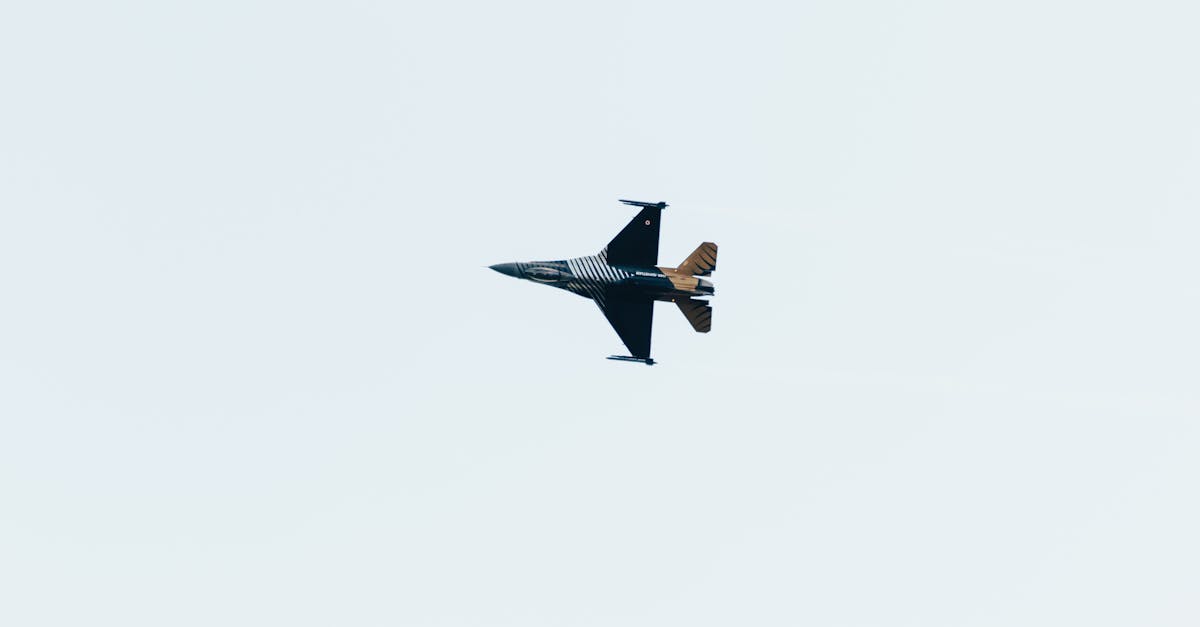
U.S. Senator Marco Rubio revealed that Iran has lost half of its missile capabilities, emphasizing that this decline reflects a significant weakness in its military strength. Rubio pointed out that Iran no longer possesses missile manufacturing facilities and has lost its naval and aerial capabilities, raising questions about the future of its military power in the region.
These statements come at a sensitive time as Iran continues to face increasing international pressures, particularly from the United States and its allies. These pressures include economic sanctions that have significantly impacted the Iranian economy, leading to a decline in investments in the military sector.
Details of the Situation
In his remarks, Rubio explained that Iran previously had a large missile arsenal, but it has now lost a substantial part of these capabilities. He confirmed that this decline is not limited to missiles alone but also includes a downturn in other military industries, making Iran less capable of threatening its neighbors in the region.
He also noted that Iran's loss of naval and aerial capabilities means that any threats it might face from other countries will be less effective, potentially leading to a shift in the balance of power in the region.
Background & Context
Historically, Iran was considered one of the major military powers in the Middle East, having invested heavily in developing its military capabilities. However, the economic sanctions imposed on it several years ago have led to a significant decline in these capabilities. Ongoing tensions with the United States and its allies have exacerbated this crisis.
In recent years, Iran has experienced internal protests due to deteriorating economic conditions, increasing pressure on the Iranian government. These circumstances may affect Iran's ability to maintain its military strength, especially in light of increasing competition from other countries in the region.
Impact & Consequences
The decline in Iranian military capabilities could lead to significant changes in the military balance in the Middle East. This situation may encourage countries like Saudi Arabia and Israel to take bolder steps in their defense policies, potentially escalating tensions in the region.
Furthermore, this decline may influence the strategies of major powers in the region, as the United States and its allies may seek to exploit this situation to enhance their influence in the Middle East.
Regional Significance
For Arab countries, Iran's decline may have both positive and negative effects. On one hand, it could reduce security threats faced by some countries, particularly those that consider Iran an adversary. On the other hand, this decline may lead to increased tensions among Arab states themselves, as some may seek to bolster their military capabilities in light of this vacuum.
In conclusion, the situation in the region remains fluid, and Arab countries must be prepared to adapt to these changes to ensure their security and stability.