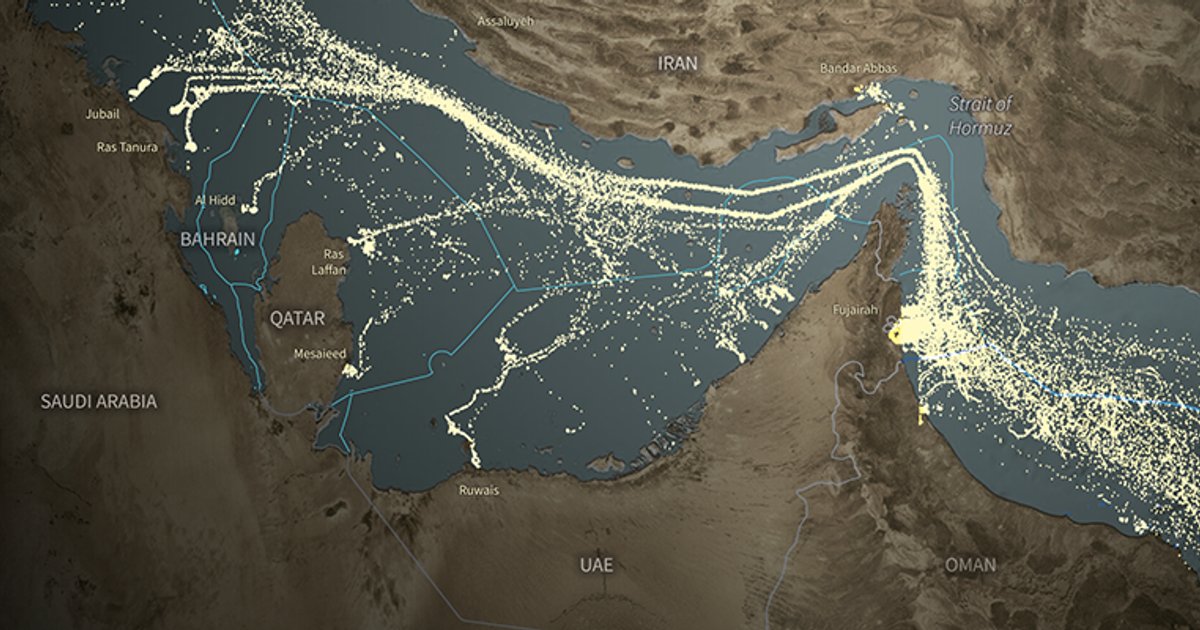
Iran's Foreign Minister Abbas Araghchi announced on Wednesday that Iran will open shipping lanes in the Strait of Hormuz for two weeks, a move aimed at enhancing maritime security in the region. Araghchi emphasized that access to these lanes will only be possible through coordination with the Iranian armed forces, adhering to necessary technical restrictions.
This announcement comes just a day after U.S. President Donald Trump declared a two-week ceasefire agreement with Iran, paving the way for potential improvement in relations between the two countries. In his statements on platform X, Araghchi noted that the opening of maritime lanes aligns with Iran's commitment to regional security.
Details of the Development
In light of this development, the Supreme National Security Council of Iran confirmed that negotiations with the United States will commence next Friday in Islamabad, Pakistan. This meeting is considered a significant step towards stabilizing relations between Tehran and Washington, with expectations to address several sensitive issues.
The main points of the agreement with the United States, according to the council, include Iran maintaining control over the Strait of Hormuz, the demand for lifting all sanctions imposed on Tehran, the continuation of the uranium enrichment program, and the withdrawal of all U.S. forces from the Middle East. These points reflect Iran's desire to regain its regional role and strengthen its position in negotiations.
Background & Context
The Strait of Hormuz is one of the most crucial maritime passages in the world, through which approximately 20% of global oil passes. Historically, the strait has witnessed numerous tensions between Iran and Western countries, particularly the United States. In recent years, these tensions have escalated due to economic sanctions imposed on Iran over its nuclear program.
This step by Iran is seen as an attempt to reduce tensions in the region, as Tehran seeks to bolster its position in negotiations with the United States. Simultaneously, these developments reflect the dynamic changes in regional politics and their impact on maritime security.
Impact & Consequences
The opening of shipping lanes in the Strait of Hormuz could contribute to improving economic conditions in the region, potentially leading to increased maritime trade. Additionally, this decision may alleviate tensions between Iran and Western countries, opening the door for further negotiations on outstanding issues.
However, the question remains regarding Iran's commitment to the agreements made, especially given its long history of tensions with the United States. There are also concerns that any new escalation could lead to a rise in crises in the region, affecting the stability of global markets.
Regional Significance
Neighboring Arab countries to the Strait of Hormuz, such as Saudi Arabia and the United Arab Emirates, find themselves in a sensitive position, as their economies heavily rely on oil exports through this passage. Therefore, any changes in the security situation in the strait could directly impact global oil markets and prices.
At the same time, these developments may lead to a reevaluation of relations between Arab countries and Iran, potentially opening avenues for more dialogue and cooperation in various fields, including security and energy.