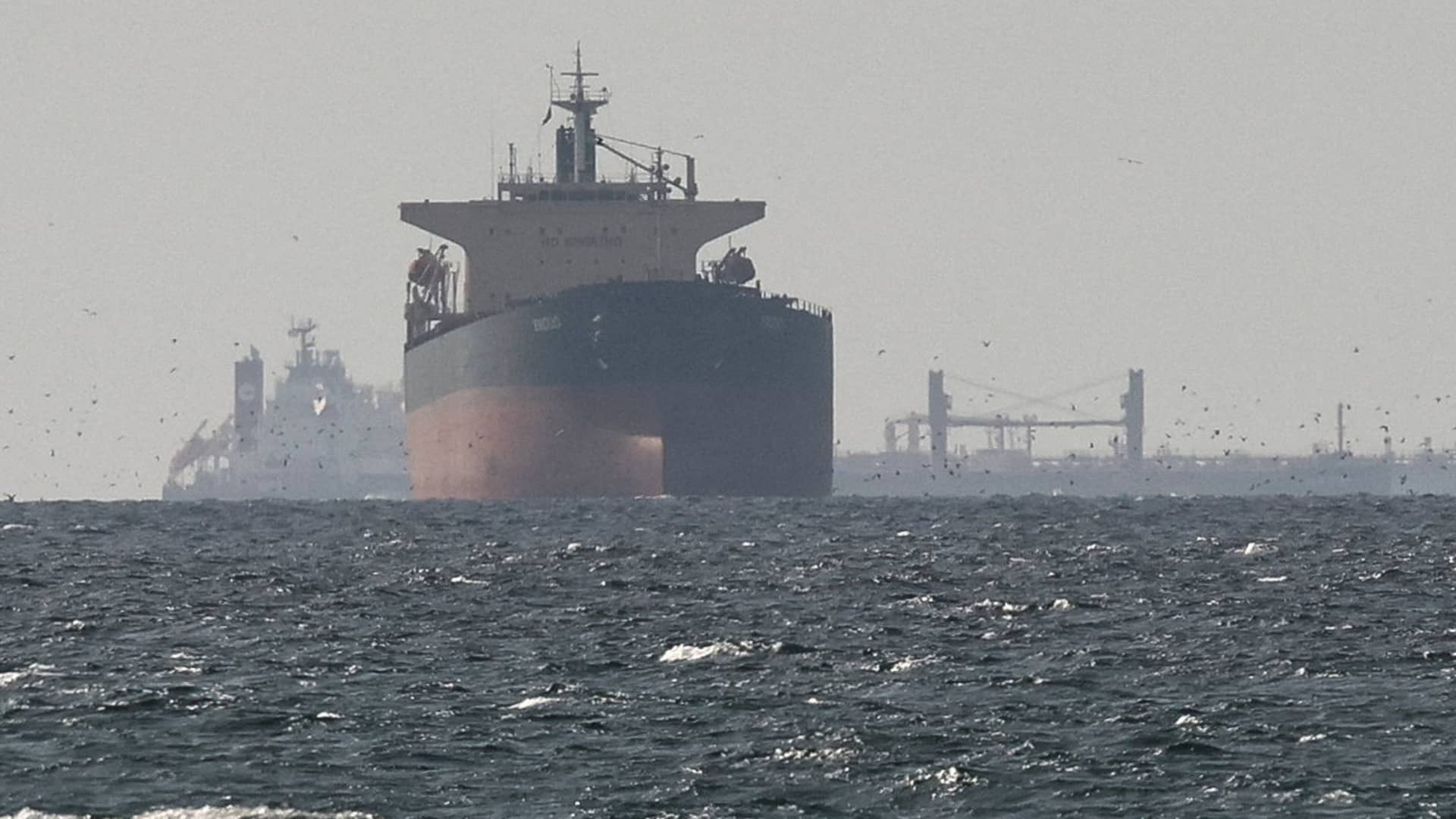
Iranian media reports indicate that the government in Tehran is preparing new legislation aimed at imposing fees on ships that transit the Hormuz Strait, one of the world's most important waterways. This step comes as regional tensions have escalated, with maritime traffic in the strait nearly coming to a standstill since the onset of the conflict between the United States and Israel on one side and Iran on the other about four weeks ago.
The Fars News Agency, which is close to the Iranian Revolutionary Guard, reported that one of the deputies confirmed that these plans also aim to establish a formal framework for Iranian oversight of the Hormuz Strait. A draft law has been prepared, but it is not yet complete, as lawmakers plan to finalize the draft by next week for submission to parliament.
Details of the Legislation
According to sources, Iran intends to collect fees in exchange for providing a safe passage for ships through the strait. Multiple reports in recent weeks have indicated that Iran has already begun imposing hefty fees on vessels wishing to bypass congestion in the waterway, but no media outlet has been able to independently verify these claims.
As the conflict approaches its fifth week, messages from Washington and Tehran vary regarding whether negotiations are underway to end the war. Reports have indicated that Iran received a peace plan from U.S. President Donald Trump, but Iranian media reported that officials in Tehran rejected the proposal.
Background & Context
The Hormuz Strait is a vital transit point for approximately 20% of the world's oil, making it a focal point for numerous geopolitical disputes. Historically, the strait has witnessed many tensions, particularly between Iran and Western countries, as Iran has always sought to enhance its influence in the region. In recent years, tensions have intensified due to U.S. sanctions on Iran and regional disputes.
This Iranian move comes at a sensitive time, as pressures on the Iranian economy increase due to sanctions, which may drive Tehran to take more drastic measures to maintain its oil revenues.
Impact & Consequences
This step is likely to escalate tensions between Iran and neighboring countries, especially Gulf Cooperation Council (GCC) states such as the UAE, Saudi Arabia, and Oman, which may reject the idea of imposing fees on ship passage. Additionally, these measures could negatively impact global oil prices, which have seen a significant rise in recent weeks, with Brent crude prices exceeding $165 per barrel.
Some analyses predict that this move could provoke strong reactions from the international community, particularly from the United States and its allies, who may view it as a threat to maritime security in the region.
Regional Significance
These developments are particularly significant for Arab countries, as any escalation in the Hormuz Strait could directly affect oil supplies and energy prices in the region. Furthermore, this step may open the door to further military tensions, threatening regional stability.
In conclusion, the situation in the Hormuz Strait remains under scrutiny, as any changes in maritime traffic or the imposition of new fees could lead to widespread repercussions on the global economy and relationships between countries in the region.