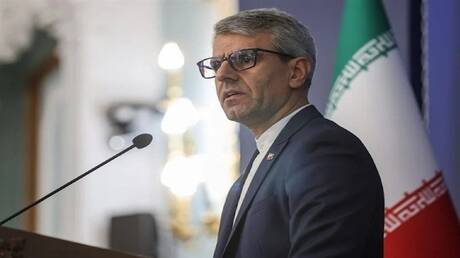
Iran's Foreign Ministry spokesperson, Ismail Baqaei, announced that Iran is prepared to confront any type of aggression, including ground attacks. He asserted that the demands posed by the United States are considered 'extreme and unreasonable,' highlighting the escalating tensions between the two countries.
Baqaei's statements come at a time when the region is witnessing heightened tensions, with increasing fears of a potential military escalation. These remarks reflect Iran's steadfast position in the face of American pressure and confirm its readiness to defend its sovereignty.
Details of the Statement
In the context of his remarks, Baqaei clarified that Iran will not hesitate to take all necessary measures to protect its territory. He regarded the American threats as indicative of an aggressive policy towards Iran, prompting Tehran to adopt strong defensive steps. He also pointed out that these American demands are not new but are part of a long-term strategy aimed at pressuring Iran.
These statements come at a time when the world is experiencing significant geopolitical changes, with military and political alliances increasing in the region. Observers believe that these remarks could lead to an escalation of tensions, especially with other issues such as the Iranian nuclear program at play.
Background & Context
Historically, Iranian-American relations have been marked by ongoing tensions since the Islamic Revolution in 1979. Since then, the United States has imposed economic sanctions on Iran, significantly impacting the Iranian economy. In recent years, these tensions have escalated further, particularly after the U.S. withdrawal from the Iranian nuclear deal in 2018.
Iran views these sanctions as a violation of its sovereign rights and emphasizes its right to defend itself. The region has witnessed numerous armed conflicts, complicating the security situation even further.
Impact & Consequences
The Iranian statements could lead to increased tensions in the region, with the United States potentially responding by ramping up military or economic pressures. This dynamic could affect the overall stability of the region and raise the likelihood of new conflicts.
Moreover, these tensions may impact Iran's relations with other countries, especially those seeking to mediate in the conflict. These statements could reduce the chances for diplomatic dialogue, further complicating the situation.
Regional Significance
The Iranian-American tensions have significant implications for Arab countries, as they could lead to escalated conflicts in areas such as Iraq, Syria, and Lebanon. Arab nations concerned about Iranian influence may take steps to counter this threat, complicating the security landscape in the region.
Additionally, any escalation in tensions could affect oil prices and global markets, reflecting the importance of stability in the Arab region. Under these circumstances, there remains hope that the international community can find diplomatic solutions to ease the tensions.