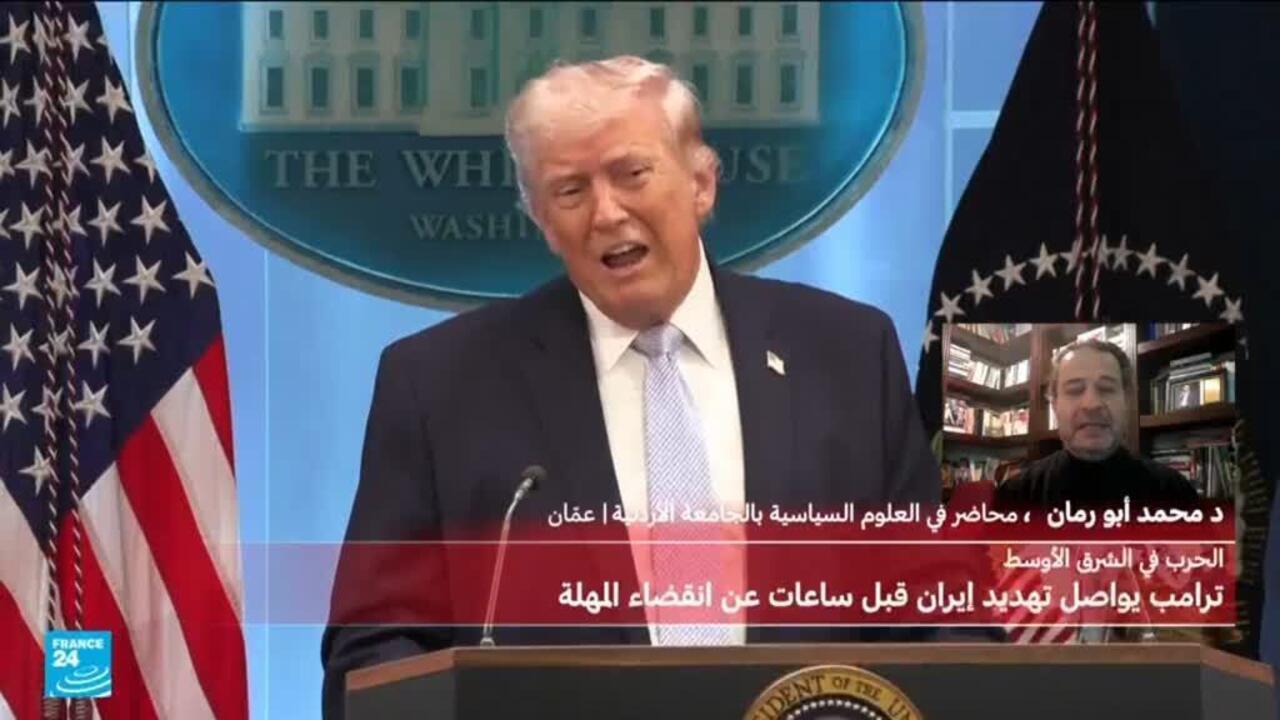
In a move reflecting the escalating tensions between the United States and Iran, the Islamic Republic News Agency has revealed a plan that includes 10 points aimed at addressing regional crises. These points include ending conflicts in the region, establishing a protocol for safe passage through the Strait of Hormuz, lifting sanctions imposed on Iran, and facilitating reconstruction efforts.
These statements come at a sensitive time, as US President Donald Trump has issued strong threats, stating in a press conference on Monday: "The entire country can be wiped out in one night, and that night could be tomorrow evening." Trump threatened to destroy Iranian power stations and infrastructure if Tehran does not comply before the set deadline.
Details of the Iranian Plan
The Iranian plan includes a series of measures aimed at improving the security situation in the region. Among the key points mentioned is the necessity of ending ongoing conflicts in the Middle East, of which Iran is a part. Tehran also seeks to establish a protocol that guarantees the safe passage of ships through the Strait of Hormuz, which is a vital point for oil and gas transportation.
These developments coincide with rising military tensions in the region, as the United States continues to bolster its military presence in the Gulf. Such moves raise concerns about the potential for direct conflict between the two countries, which could have serious implications for regional and international security.
Background & Context
Historically, relations between Iran and the United States have been marked by increasing tensions since the Islamic Revolution in 1979. Economic sanctions imposed on Iran due to its nuclear program have been among the main reasons for the worsening situation. In recent years, these tensions have escalated with the US withdrawal from the nuclear agreement in 2018, leading to heightened hostilities between the two parties.
The Strait of Hormuz is considered a strategic point, through which approximately 20% of the world's oil passes. Any threats or military escalation in this area could significantly impact global oil markets, underscoring the importance of this issue on the international stage.
Impact & Consequences
If tensions continue to escalate, it could lead to serious repercussions for regional security. Oil prices are likely to be significantly affected, which could negatively impact the global economy. Additionally, any military conflict could draw in other countries into the dispute, complicating the situation further.
Through its plan, Iran aims to present itself as a party seeking peace and stability in the region, attempting to alleviate international pressures on itself. However, amidst the US threats, the question remains about the seriousness of these initiatives and their feasibility under the current circumstances.
Regional Significance
The tensions between Iran and the United States directly affect neighboring Arab countries, which are considered part of the broader regional conflict. Any military escalation could reflect on the stability of these countries, increasing fears of new conflicts erupting.
Moreover, any Iranian moves aimed at enhancing its influence in the region may provoke reactions from Gulf states, further complicating regional relations. In this context, there remains hope that diplomatic efforts will yield positive results that contribute to achieving peace and stability in the region.