Iran is aiming to relinquish its control over the Strait of Hormuz, a new move amid a diplomatic stalemate between Washington and Tehran. The Associated Press revealed that Tehran has presented a proposal that includes ending the US-imposed blockade without addressing its nuclear program.
According to sources, Iran demands the lifting of the blockade as part of this proposal, which was communicated to the United States through Pakistan. However, this offer appears unlikely to gain support from President Donald Trump, who is seeking a comprehensive agreement that not only ends Iran's nuclear program but also addresses the issue of the Strait of Hormuz.
Details of the Proposal
Earlier, Axios reported that Iran, through Pakistani intermediaries, has proposed a new plan to reopen the Strait of Hormuz and end the US blockade, while postponing nuclear negotiations to a later stage. This offer reflects Tehran's desire to alleviate the economic pressures it faces amid ongoing US sanctions.
On the other hand, a knowledgeable Pakistani source indicated that mediation efforts are currently focused on conveying messages between Washington and Tehran, noting that the lack of trust between the two sides poses a significant obstacle to achieving tangible progress. Despite the absence of a US delegation, Pakistan continues its diplomatic efforts, playing a responsible and balanced role in mediation.
Background & Context
The roots of tensions between Iran and the United States extend back many years, with crises escalating after Washington's withdrawal from the Iranian nuclear deal in 2018. Since then, the US has imposed a series of economic sanctions on Tehran, leading to a deterioration of the Iranian economic situation and increased tensions in the region.
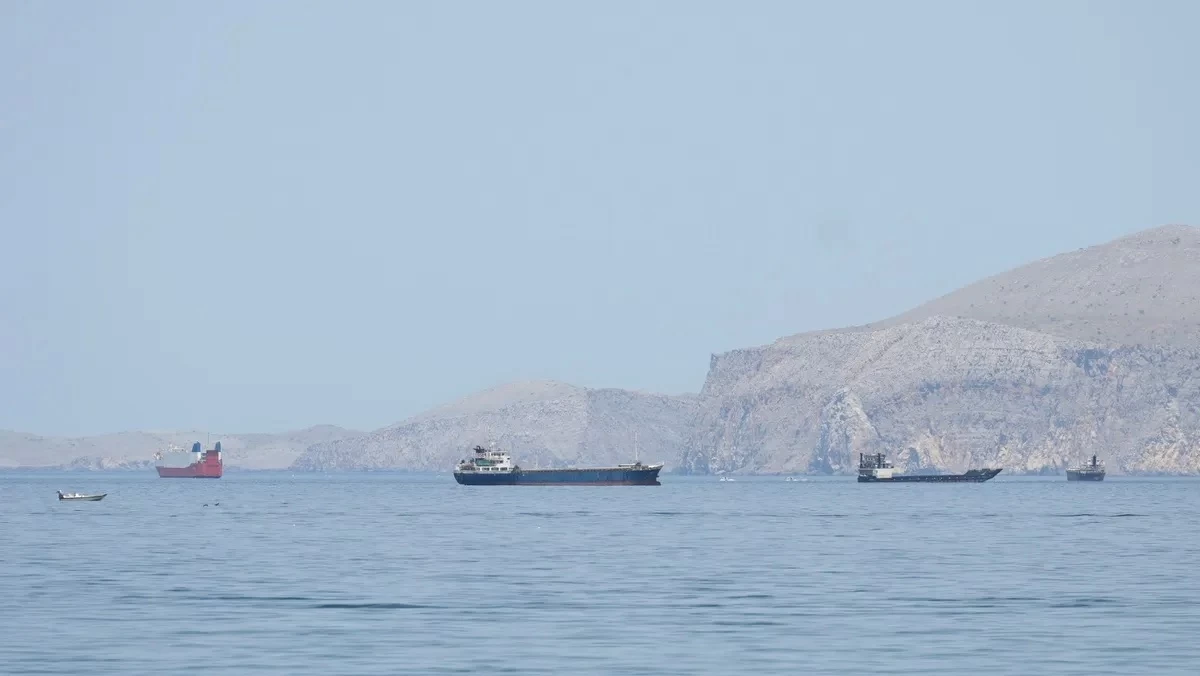
The Strait of Hormuz is a vital strategic point, through which approximately 20% of the world's oil passes. Therefore, any changes in control over this strait could significantly impact global markets and the balance of power in the region.
Impact & Consequences
If the Iranian proposal is accepted, it could lead to a de-escalation of tensions in the region, potentially contributing to the stabilization of oil prices and enhancing maritime security. However, the question remains as to how willing the United States is to accept such an offer, especially given Trump's hardline policy towards Iran.
The continuation of the stalemate may escalate tensions, which could negatively affect regional and international security. Additionally, the lack of trust between the two sides may complicate any future efforts to reach a comprehensive agreement.
Regional Significance
The developments regarding the Iranian file are of significant importance to Arab countries, particularly those located near the Strait of Hormuz. Any changes in control over this strait could affect trade and oil movement in the region, which may reflect on Arab economies.
In conclusion, the future of Iranian-American relations remains uncertain, as challenges to any diplomatic efforts continue to grow. However, ongoing dialogue may be the only way to ease tensions and achieve stability in the region.