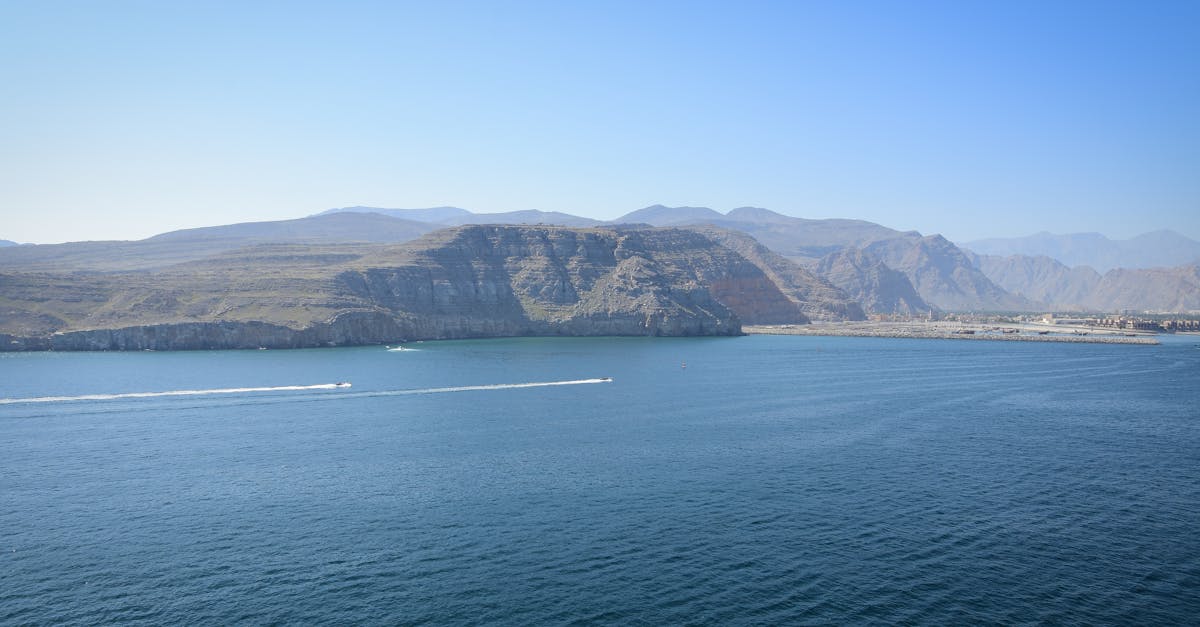
U.S. President Donald Trump convened with his senior advisors at the White House to discuss recent developments regarding Iran's proposal aimed at opening the Strait of Hormuz in exchange for lifting the sanctions imposed on Iran. This meeting occurs amid escalating tensions in the region, where Iran seeks to bolster its diplomatic position.
Iranian Foreign Minister Hussein Amir Abdollahian is continuing his diplomatic tour, having met with Russian President Vladimir Putin in Saint Petersburg. This meeting reflects Russia's desire to play a larger role in mediating between Tehran and Washington, particularly as pressures mount on Iran due to economic sanctions.
Details of the Proposal
The Iranian proposal includes the opening of the Strait of Hormuz, one of the world's most critical waterways, in exchange for the cessation of the economic blockade imposed on Iran. This blockade has significantly impacted the Iranian economy, prompting Tehran to seek diplomatic solutions to navigate the crisis.
Simultaneously, Pakistan is working to bridge the gaps between Washington and Tehran, aiming to achieve consensus between the two parties. These efforts come at a sensitive time, as fears of escalating military tensions in the region continue to rise.
Background & Context
Historically, the Strait of Hormuz has been the stage for numerous political and military crises. Approximately 20% of the world's total oil passes through this strait, making it a vital strategic point. The sanctions imposed on Iran are a result of U.S. policies in the region, aimed at diminishing Tehran's influence.
Through these steps, Iran seeks to rebuild its relationships with major powers, especially following the U.S. withdrawal from the nuclear agreement in 2018. This withdrawal exacerbated the economic and political situation in Iran, compelling it to seek new solutions.
Impact & Consequences
If the Iranian proposal is accepted, it could lead to a de-escalation of tensions in the region, positively affecting oil prices and global markets. Additionally, opening the Strait of Hormuz would enhance global trade flows, which have been significantly impacted by political crises.
However, the question remains regarding the extent to which the United States is willing to accept this proposal amidst internal and external pressures facing the U.S. administration. Any decision in this regard could significantly impact U.S.-Iranian relations.
Regional Significance
Neighboring Arab countries, such as Saudi Arabia and the United Arab Emirates, are among the most affected by developments in the Strait of Hormuz. Any change in the sanctions policy could influence the overall stability of the region and reshape political alliances.
At the same time, Arab nations are closely monitoring these developments, as any escalation or de-escalation in relations between Washington and Tehran could impact their national security and economic stability.
In conclusion, the future of U.S.-Iranian relations remains uncertain, but current diplomatic proposals may open new avenues for understanding between the two sides. Given the current circumstances, dialogue appears to be the most logical option to avoid military escalation.