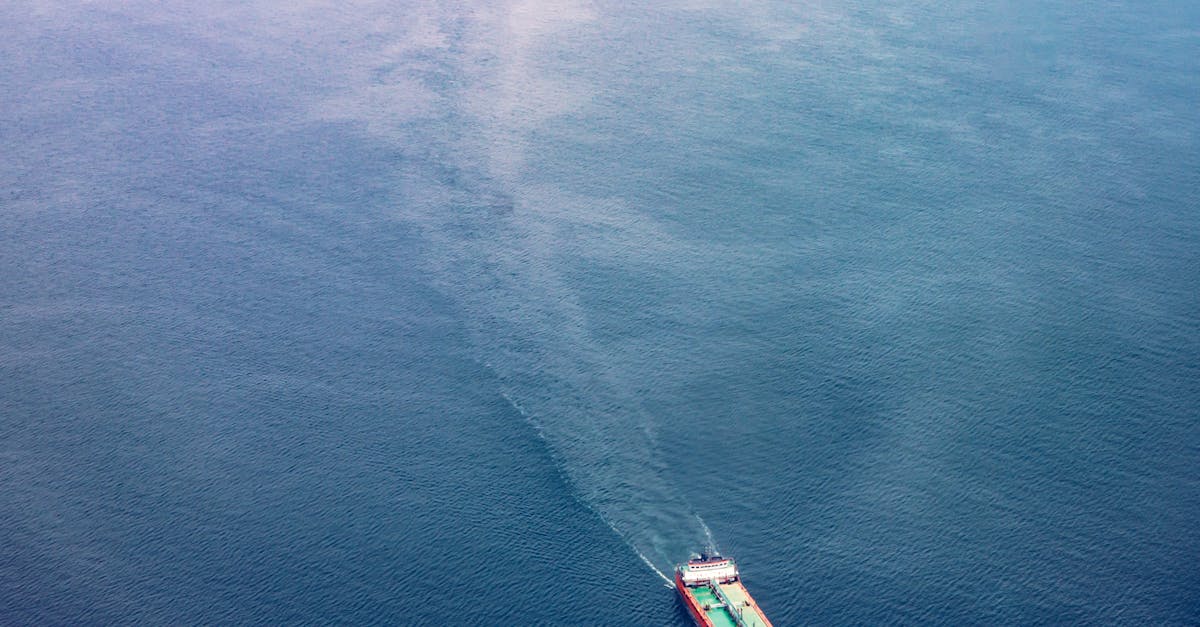
Iran has presented a new proposal to the United States aimed at reopening the Strait of Hormuz, a move that could help end the blockade imposed on the country. This proposal comes amid escalating regional and international tensions surrounding this vital waterway.
The Strait of Hormuz is considered one of the most important maritime passages in the world, through which approximately 20% of the world's total oil passes. The region has witnessed increasing tensions in recent years due to political and military conflicts between Iran and other countries, adversely affecting maritime navigation and international trade.
Details of the Proposal
The Iranian proposal includes concrete steps aimed at enhancing security in the Strait of Hormuz, including cooperation with the United States and other countries to ensure safe navigation. Iranian officials have indicated that this proposal is part of their efforts to improve relations with the West, especially in light of the economic challenges facing the country.
This move follows a series of maritime incidents in the strait, where commercial vessels have been attacked, raising fears of disruptions to oil supplies. In this context, Iran hopes that this proposal will help alleviate the economic and political pressures imposed on it.
Background & Context
Historically, the Strait of Hormuz has been a theater for multiple conflicts, witnessing numerous political and military crises. Since the Iranian Revolution in 1979, relations between Iran and the United States have been strained, affecting the stability of the region. The blockade imposed on Iran for years due to international sanctions has complicated the situation, prompting Tehran to seek diplomatic solutions.
In recent years, there have been multiple attempts by Iran to rebuild its relations with Western countries, especially after the signing of the nuclear agreement in 2015. However, the U.S. withdrawal from the agreement in 2018 reignited tensions, leading Iran to seek to regain its influence in the region.
Impact & Consequences
If the Iranian proposal is accepted, it could lead to improved relations between Iran and the United States, which may positively reflect on the Iranian economy. Additionally, reopening the Strait of Hormuz would stabilize oil prices in global markets, which is crucial for many oil-importing countries.
However, accepting this proposal may face significant challenges, including opposition from some regional countries that fear an increase in Iranian influence in the area. There are also questions about the seriousness of the United States in addressing this proposal, especially amid ongoing tensions.
Regional Significance
The Arab countries neighboring the Strait of Hormuz, such as the United Arab Emirates and Saudi Arabia, are among the most affected by any changes in the security situation of the strait. Reopening the strait could enhance regional trade, but it may also raise concerns about the escalation of Iranian influence in the region.
Ultimately, the question remains about the feasibility of this proposal and whether it will contribute to achieving stability in the region. Iran's success in reopening the Strait of Hormuz could have far-reaching effects on regional and international relations.