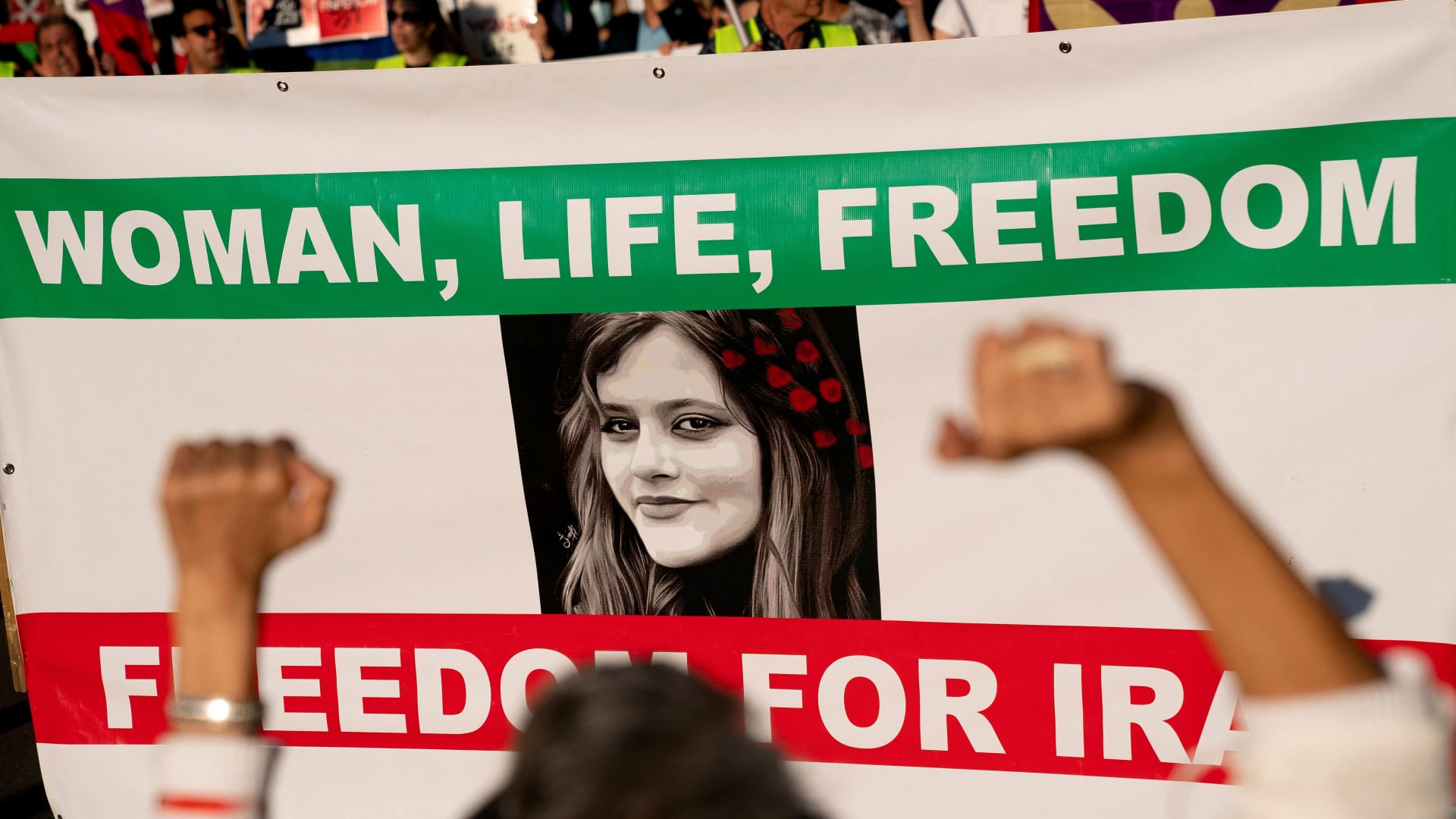
Protests in Iran have been escalating amidst a strict government crackdown, leading to a widespread dissemination of old and fabricated videos. In the face of media censorship imposed by the authorities, citizens face difficulties in verifying information, contributing to the spread of rumors and misinformation.
DW's team has analyzed this phenomenon, demonstrating how artificial intelligence techniques are used to generate fake videos, as well as the re-posting of old clips as new ones. These practices reflect the information chaos the country is experiencing, where some seek to exploit crises to promote their own agendas.
Event Details
Iran has been experiencing waves of popular protests for a long time, with citizens taking to the streets to express their discontent with the economic and political situation. As these protests escalate, the government has resorted to using force to suppress the demonstrators, exacerbating the crisis. In this context, fake videos have emerged, some of which were produced using artificial intelligence techniques, further complicating the situation.
These videos include manipulated or reused scenes from previous events, contributing to public confusion. This raises significant concerns about the impact of misinformation on public awareness, particularly during times of crisis.
Background and Context
Iran has a history of protests against the regime, but the current protests come in the context of multiple crises, including economic and social ones. Since 2019, the country has witnessed widespread protests due to fuel price hikes, leading to violent suppression by the authorities. This background makes it easier to understand how misinformation can spread during such critical times.
The Iranian government is also facing a loss of public trust, further intensifying the protests. In this context, it is essential to verify the information being circulated, especially with the increasing use of social media as a platform for news dissemination.
Impact and Consequences
Misinformation has a significant impact on citizens' ability to make informed decisions. As people seek accurate information about events, they find themselves surrounded by misleading content that can exacerbate the situation. This can lead to further escalation of protests and increased government suppression.
Furthermore, the spread of misinformation can affect Iran's international relations, as the country's reputation abroad may be affected by false reports. This can lead to increased international pressure on the Iranian government.
Regional Significance
The events in Iran have a significant impact on the Middle East region, reflecting a state of instability that can affect neighboring countries. The use of misinformation in Iran can also serve as a lesson to other countries in the region, highlighting the need to promote media literacy and fact-checking.
In the face of recurring crises in the region, it is essential for citizens to have the ability to distinguish between accurate and misleading information, especially with the increasing use of social media as a platform for news dissemination.
Closing paragraph: In light of the current situation, it is crucial to verify information and confront misinformation, especially during times of crisis. Citizens must be aware of the risks associated with misleading content and strive to obtain accurate and reliable information.