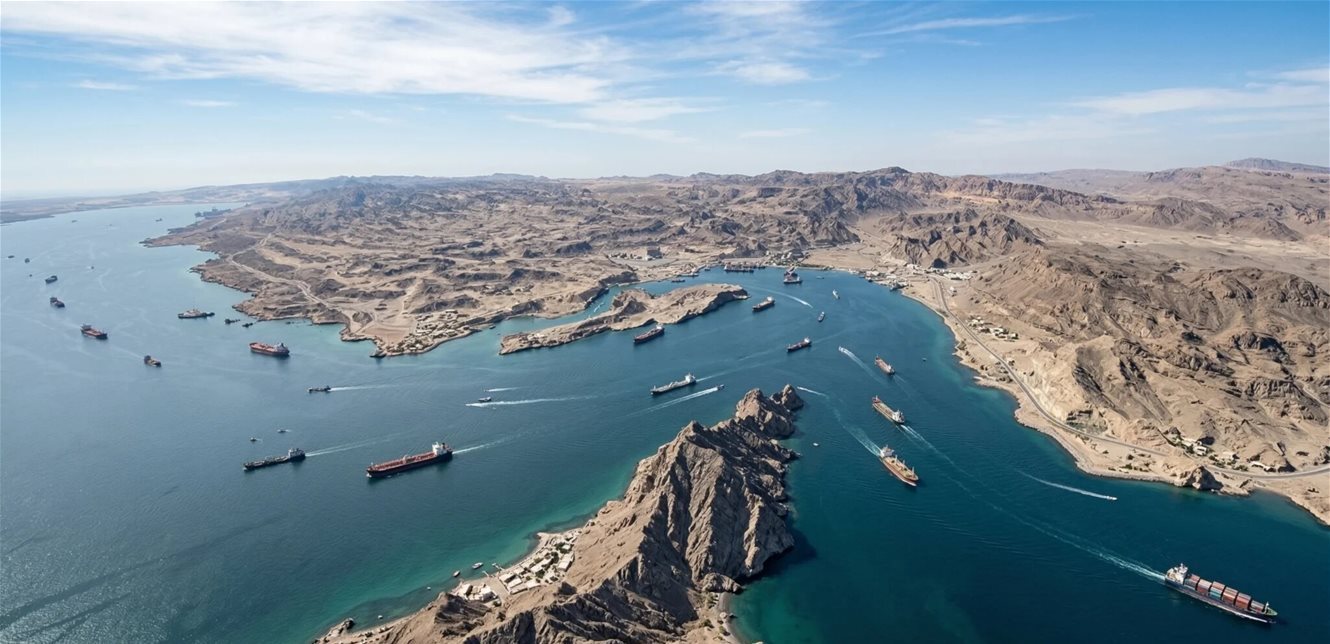
Iran has received a draft framework for a memorandum of understanding with the United States, aimed at resolving the ongoing dispute between the two nations. The memorandum includes provisions for reopening the Strait of Hormuz, which is one of the most important maritime passages in the world, and lifting the maritime blockade imposed by the United States.
According to reports, the memorandum stipulates that commercial shipping traffic through the Strait of Hormuz will return to pre-war levels within a month. It also calls for the withdrawal of US military forces from the vicinity of Iran, reflecting a potential improvement in relations between the two countries.
Details of the Agreement
The official Iranian television reported that the memorandum of understanding includes an exemption for warships and specifies that Iran will manage navigation through the strait in cooperation with Oman. However, this framework has not yet been finalized, as Tehran has confirmed that it will not take any steps until the US position is clarified.
Reports indicate that the memorandum also includes a clause allowing the agreement to be adopted as a binding resolution by the United Nations Security Council if a final agreement is reached within 60 days.
Background & Context
The Strait of Hormuz is a vital point in global trade, through which approximately 20% of the world's oil passes. The region has witnessed increasing tensions in recent years, especially following the US withdrawal from the Iranian nuclear deal in 2018, which escalated the conflict between the two nations.
Historically, Iran has faced stringent economic sanctions from the United States, negatively impacting its economy. However, these negotiations may represent an opportunity to rebuild relations and improve economic conditions in the region.
Impact & Consequences
If a final agreement is reached, it could lead to greater stability in the Gulf region and enhance maritime trade. Additionally, the withdrawal of US forces may reduce military tensions, contributing to improved regional security.
On the other hand, Iran may face challenges in implementing the agreement, particularly given the mutual distrust between the two parties. Furthermore, any agreement may require alignment with other major powers involved in the Iranian file.
Regional Significance
This development holds particular importance for Arab countries bordering the Gulf, as it could lead to improved trade and economic relations. Stability in the Strait of Hormuz will enhance energy security in the region, benefiting oil-importing countries.
In conclusion, the future of these negotiations remains uncertain, but hope persists for the possibility of progress in relations between Iran and the United States, which could positively impact conditions in the region.