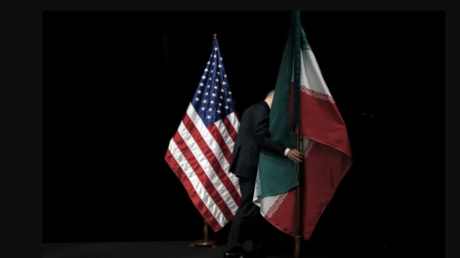
Iran confirmed today that it will not retreat from war until the enemy is defeated, while reports indicate that U.S. President Donald Trump is pleading for a ceasefire. This statement comes amid rising tensions in the region, raising concerns about future security and stability.
The official Iranian statements reflect a firm stance from the leadership, emphasizing their unwillingness to back down in the face of increasing international pressure. Tehran appears determined to continue its military policy until it achieves its strategic objectives.
Details of the Situation
As Iran continues to enhance its military capabilities, sources report that Trump is seeking to pressure Tehran to halt hostilities. Reports suggest that the U.S. President is concerned about escalating tensions, especially given the mutual threats exchanged between both sides. This situation places the United States in a difficult position, with increasing calls for de-escalation from its allies in the region.
On the other hand, Iran seems to reject any calls for de-escalation, asserting that any negotiations must come after achieving victory. This stance reflects Tehran's strategy, which relies on military strength as a means to achieve its political goals.
Background & Context
Historically, relations between Iran and the United States have been marked by increasing tensions, particularly following Washington's withdrawal from the nuclear agreement in 2018. This withdrawal led to a deterioration of conditions in the region, as Iran began to resume its nuclear activities more aggressively, raising concerns within the international community.
In recent years, Iran has increased its support for armed groups in the region, exacerbating conflicts in Iraq, Syria, and Lebanon. These dynamics reflect a broader struggle between regional and international powers, each seeking to achieve its strategic interests.
Impact & Consequences
The recent statements from Iran could lead to further escalation of tensions, threatening stability in the region. If Iran maintains its hardline stance, it may open the door to increased military interventions by the United States and its allies.
Any escalation in hostilities could impact oil prices and global markets, as the Middle East is a vital center for oil production. Furthermore, any escalation could lead to severe humanitarian consequences, with civilians in conflict zones suffering the effects of war.
Regional Significance
The developments in Iranian-American relations have significant implications for Arab countries, many of which are closely monitoring the situation. Any escalation in the conflict could exacerbate humanitarian crises in the region and intensify existing conflicts.
Arab nations may find themselves compelled to take clear stances amid these tensions, potentially affecting their political and economic alliances. Simultaneously, some countries may seek to strengthen their ties with Iran as a means to mitigate the negative impacts of the conflict.
In conclusion, the situation in the region remains complex, with political and military interests intertwined. It is essential for the involved parties to work towards peaceful solutions to avoid further escalation.