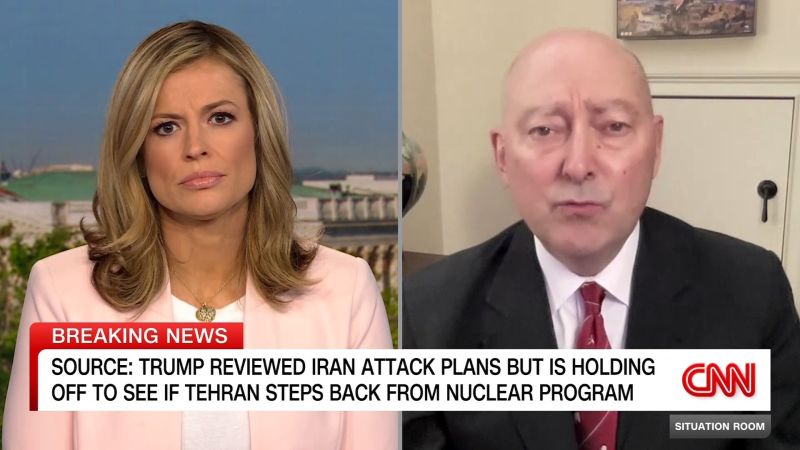
In his remarks to CNN, James Stavridis, the former commander of NATO, confirmed that Iran is rejecting the ceasefire proposal in the ongoing conflict due to its retention of strong leverage that has not yet been utilized. He pointed out that Tehran seeks to maintain its key strategic tools, foremost among them the threat to close the Strait of Hormuz, which is a vital artery for global oil trade.
Stavridis's comments come at a time when the region is witnessing escalating tensions, with growing concerns that the continuation of the conflict could have serious repercussions for regional and international security. The Strait of Hormuz is a crucial transit point for approximately 20% of the world's oil, making any threat to close it significantly impactful on global markets.
Details of the Situation
In the interview, Stavridis noted that Iran possesses a range of strategic options that it could use to pressure its adversaries. It is believed that Tehran may exploit these leverage points in any future negotiations, reflecting its desire to strengthen its position in any discussions related to peace or a ceasefire.
He also added that Iran might resort to intensifying its military activities in the region, complicating the existing situation further. This comes amid increasing international pressure on Tehran to comply with global demands regarding its nuclear program and regional behavior.
Background & Context
Historically, Iran has always sought to maintain its influence in the region through the use of various strategies, including military and diplomatic threats. Recent years have seen a rise in tensions between Iran and the United States, particularly following Washington's withdrawal from the nuclear agreement in 2018.
These tensions are part of a broader struggle between regional and international powers, as both Iran and Western nations seek to achieve their interests in the Middle East. In this context, Iran plays a pivotal role in many regional conflicts, making it a key player in any peace negotiations.
Impact & Consequences
Iran's rejection of a ceasefire has significant implications for regional security. The continuation of the conflict could exacerbate humanitarian conditions in affected areas, as well as increase tensions among neighboring countries. Furthermore, any military escalation could impact global oil prices, negatively affecting the global economy.
Moreover, the persistence of the current situation may prompt major powers to reassess their strategies towards Iran, potentially leading to changes in the foreign policies of these nations. It may require intensive diplomatic efforts to reach peaceful solutions to the conflict.
Regional Significance
The implications of Iran's stance are critical in understanding the regional tensions and their impact on global security. The situation not only affects the immediate region but also has far-reaching consequences for international relations and economic stability.
In conclusion, the dynamics of the conflict and Iran's strategic decisions will be pivotal in shaping the future landscape of the Middle East, necessitating careful observation and analysis from global stakeholders.