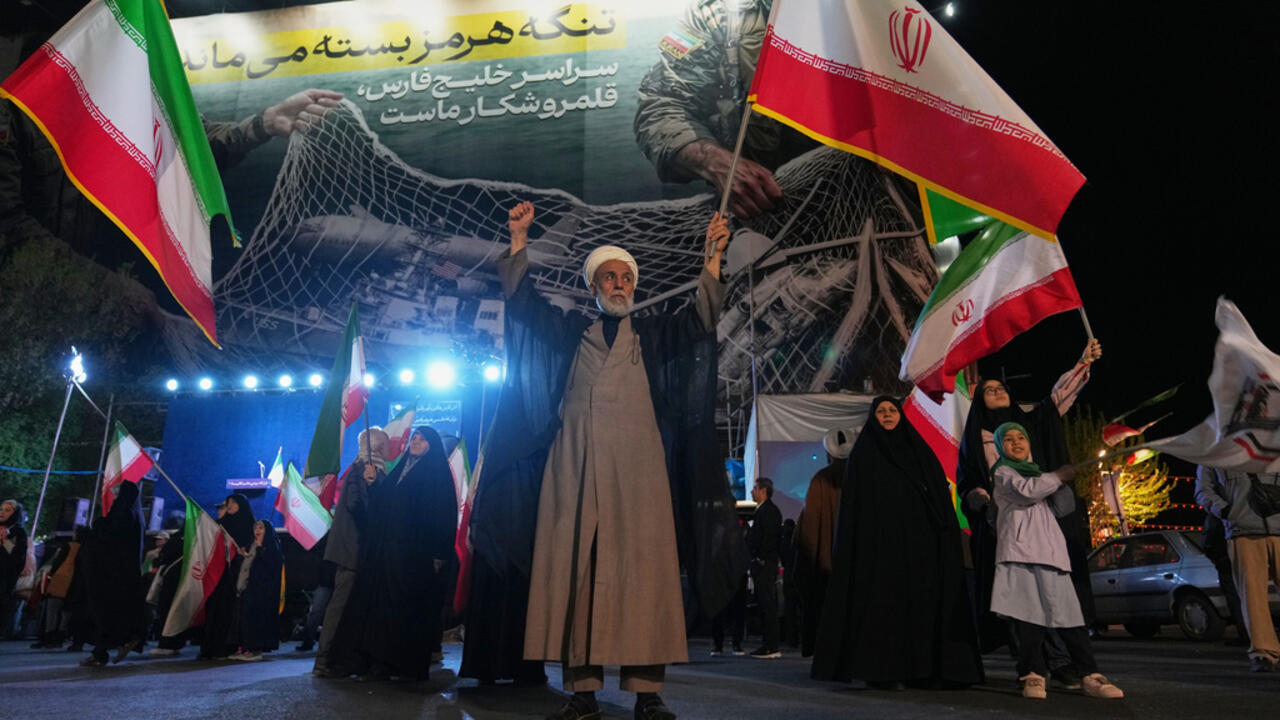
On the thirty-eighth day of the ongoing conflict in the Middle East, Iran announced its rejection of a ceasefire proposal put forth by the United States through a Pakistani mediator. Tehran emphasized that it would only accept a halt to hostilities under specific conditions.
The official Iranian news agency, IRNA, reported that Iran informed Pakistan of its refusal of the U.S. proposal, stressing the necessity of a definitive resolution to the conflict. This stance highlights the rising tensions between Iran on one side and the United States and Israel on the other since the war commenced on February 28.
Details of the Conflict
The current war began following a military attack by the United States and Israel on the Islamic Republic, prompting an Iranian response characterized by missile and drone strikes on multiple targets in the region. Many countries have expressed a desire to find a diplomatic solution to end this conflict; however, negotiations have yet to yield tangible progress.
In this context, Trump stated in his remarks that he has given Iran a deadline until Tuesday evening to reach an agreement regarding the reopening of the Strait of Hormuz, warning of severe consequences if there is no compliance. This statement reflects the increasing pressures on Tehran, which continues to maintain its position.
Background & Context
Historically, relations between Iran and the United States have been strained, particularly following the Islamic Revolution in 1979. Regional disputes, including conflicts in Iraq and Syria, have further complicated these relations. The current war occurs amid escalating geopolitical tensions in the region, raising concerns about broader repercussions.
Iran, which is suffering from severe economic sanctions, views the lifting of these sanctions as one of the fundamental conditions for halting the conflict. Additionally, the situation in the Strait of Hormuz, a vital artery for global oil trade, adds another dimension to the crisis.
Impact & Consequences
Recent developments could lead to a greater escalation of the conflict, threatening regional security and intensifying tensions among major powers. If the war continues, it may adversely affect oil prices and global markets, reflecting negatively on the world economy.
Moreover, the continuation of the conflict could exacerbate humanitarian conditions in the region, where civilians are suffering from the effects of war. It is crucial for the involved parties to seek peaceful solutions before the crisis worsens.
Regional Significance
The impact of the U.S.-Iran conflict extends to Arab countries, where it could destabilize nations such as Iraq, Syria, and Lebanon. The rising tensions may also encourage military interventions by other regional powers, further complicating the situation.
In conclusion, hope remains pinned on genuine diplomatic efforts to end the conflict, as the continuation of the war will not benefit any party but will only increase the suffering of the people in the region.