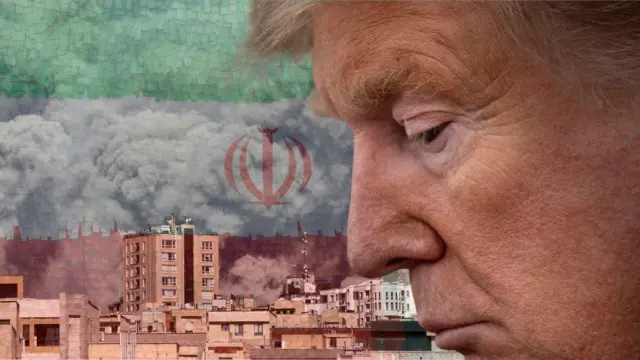
Iran has rejected former U.S. President Donald Trump's 15-point plan, which aims to end the ongoing conflict between Iran and the United States. Tehran has proposed counter-conditions, reflecting increasing military escalation and uncertainty regarding the future of negotiations. This move comes at a sensitive time, as Iran seeks to bolster its regional and international position amid rising tensions.
Trump's plan, revealed during attempts by the previous U.S. administration to reach a comprehensive agreement with Iran, includes a series of points addressing nuclear and regional issues. However, Iran considers this plan unacceptable, rejecting many points related to curtailing its regional influence and imposing restrictions on its nuclear program.
Details of the Event
Trump's plan includes 15 key points, such as imposing new sanctions on Iran, reducing its nuclear program, and halting its support for armed groups in the region. However, Iran, feeling targeted, has put forth counter-conditions concerning the recognition of its sovereign rights and the lifting of imposed sanctions. This escalation in positions reflects the lack of common ground between the two parties, complicating any attempts to reach an agreement.
At the same time, the region is witnessing military escalation, with increased skirmishes between Iranian forces and U.S. troops in Iraq and Syria. This escalation raises concerns that it could lead to a broader conflict in the region, especially with other regional and international powers intervening in the struggle.
Background & Context
The roots of the conflict between Iran and the United States date back decades, with relations between the two countries deteriorating significantly after the Iranian Revolution in 1979. Since then, the United States has imposed economic sanctions on Iran, severely impacting its economy. In 2015, a nuclear agreement was reached between Iran and the P5+1 group, but Trump's withdrawal from the agreement in 2018 brought matters back to square one, escalating tensions once again.
Iran views its regional presence as part of its defensive strategy, supporting armed groups in Iraq, Syria, and Lebanon. This support is seen by the West as a threat to regional security, further complicating negotiations.
Impact & Consequences
Iran's rejection of Trump's plan could exacerbate conditions in the region, as the United States may continue to impose new sanctions, increasing economic pressures on Tehran. In response, Iran may enhance its military capabilities and expand its regional influence, potentially escalating the conflict with Western powers.
This escalation could also affect relations between Iran and Gulf countries, which are concerned about the rising Iranian influence in the region. This may lead to increased cooperation between Gulf states and the United States to address security challenges.
Regional Significance
The current developments in Iranian-American relations have a direct impact on the Arab region. Increased tensions could lead to escalated conflicts in Iraq, Syria, and Lebanon, where armed groups supported by Iran are present. The situation in Yemen could also be affected, as Iran plays a role in supporting the Houthis.
Ultimately, the situation in the region remains complex, with regional and international interests deeply intertwined. Iran's continued rejection of Trump's plan may lead to further tensions, highlighting the need for effective diplomatic solutions to end the conflict.