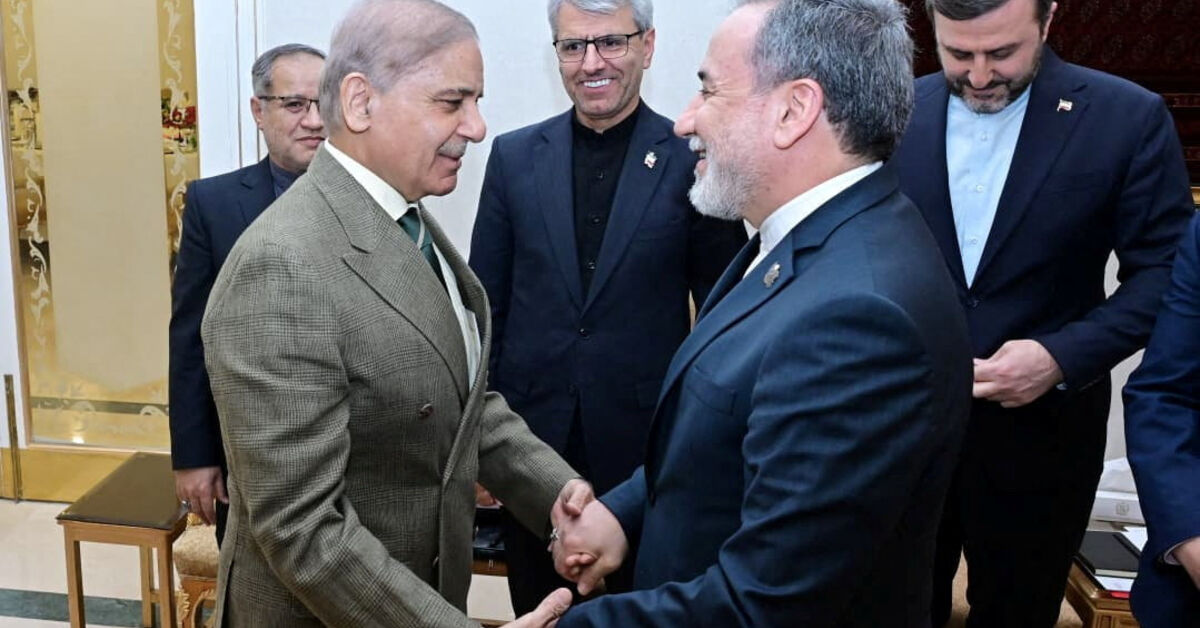
In a new step towards achieving peace, Iranian Foreign Minister Abbas Araghchi affirmed that Iran will not accept exaggerated US demands during his visit to Pakistan. These statements come at a time when Pakistan is striving to end a conflict that has claimed thousands of lives and has had a significant impact on global energy markets.
Following his discussions with Pakistani Prime Minister Shahbaz Sharif and senior officials, Araghchi and his team departed the capital Islamabad aboard a military aircraft, indicating the importance of this visit. Although details regarding the talks were limited, Araghchi's statements reflect Iran's firm stance on the issues at hand.
Details of the Event
Araghchi's visit comes at a sensitive time, as Pakistan seeks to play a mediating role in the ongoing conflict, which has affected regional stability and energy markets. Araghchi noted that Iran has clear demands regarding US policies, which it considers unacceptable. These remarks come amid increasing pressure on Iran from the United States and its allies.
The topic of regional security was also addressed during the discussions, where Araghchi emphasized the importance of cooperation among neighboring countries to achieve stability. This visit is part of Pakistan's efforts to enhance its role as a regional mediator.
Background & Context
Historically, Iranian-American relations have seen escalating tensions, especially following the US withdrawal from the nuclear agreement in 2018. Since then, Washington has imposed strict sanctions on Iran, affecting its economy and exacerbating humanitarian conditions. In this context, Pakistan is seeking to leverage its relationships with both parties to promote peace in the region.
The current conflict in the region is part of a broader struggle involving regional and international powers, making Pakistan's efforts to achieve peace complex. However, the move towards dialogue is a positive step given the current circumstances.
Impact & Consequences
Analyses suggest that Iran's rejection of US demands could lead to heightened tensions in the region, impacting the stability of global markets. Furthermore, the continuation of the conflict could exacerbate humanitarian crises in affected countries, necessitating urgent international intervention.
On the other hand, Pakistan's efforts may open new channels for dialogue, contributing to the de-escalation of tensions. The success of these efforts depends on the willingness of the involved parties to negotiate and reach compromises.
Regional Significance
Considering the regional dimensions, the conflict in the area has direct implications for Arab countries. The ongoing tensions between Iran and the United States could affect oil prices, reflecting on the economies of Arab nations that heavily rely on oil revenues.
Moreover, any escalation in the conflict could lead to an influx of refugees into neighboring countries, posing an additional challenge for Arab nations. Therefore, enhancing dialogue and regional cooperation is essential for achieving stability in the area.
In conclusion, hope remains pinned on Pakistan's efforts to achieve peace, but challenges persist. It requires international and regional cooperation to reach lasting solutions to the ongoing conflict.