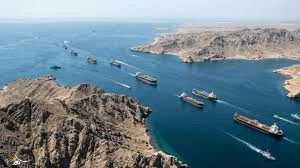
Iran has requested vessels to change their registrations and fly friendly flags to cross the Strait of Hormuz amid rising regional tensions. Despite a slight increase in shipping traffic, many shipping companies are refusing to comply with these requests, reflecting the challenges Iran faces in this context.
These developments come after Iran tightened its grip on the Strait of Hormuz following the attack launched by the United States and Israel on the country on February 28. This attack led to a reduction in the passage of ships through a vital point through which nearly 20% of the world's oil and liquefied natural gas typically flows.
Details of the Situation
Through these requests, Iran aims to strengthen its control over navigation in the Strait of Hormuz, allowing some ships from friendly nations to pass through a previously approved route. In return, Tehran has threatened to target vessels allied with the United States or Israel, further escalating tensions in the region.
Despite these threats, U.S. allies, including France, are making diplomatic efforts to ease the crisis, but these efforts have yet to yield significant progress. The current situation reflects a state of instability in the region, where the war that erupted in Iran following the joint U.S.-Israeli airstrike continues to create chaos and destabilize financial markets.
Background & Context
The Strait of Hormuz is considered one of the most important waterways in the world, through which approximately 20% of total global oil exports pass. Control over this strait means controlling a significant portion of global energy supplies, making any tension in the region have far-reaching implications.
Historically, the strait has witnessed numerous crises and conflicts, with Iran always playing a pivotal role in these crises. Following the recent attacks, the situation has become more complex, with fears of military escalation that could impact commercial navigation and increase global oil prices.
Impact & Consequences
The current tensions in the Strait of Hormuz could lead to rising oil prices, affecting the global economy as a whole. Additionally, any military escalation could provoke reactions from major powers, increasing the likelihood of military or diplomatic interventions.
Moreover, these conditions may affect relations between countries in the region, potentially leading to new alliances or escalating existing conflicts. Global companies that rely on oil and natural gas may find themselves in a difficult position, impacting their business strategies.
Regional Significance
The Arab countries neighboring the Strait of Hormuz are the most affected by the current developments, as any increase in tensions could impact their economic and security stability. Oil-producing countries in the Arabian Gulf may face new challenges under these circumstances, necessitating precautionary measures to address any potential repercussions.
In conclusion, the situation in the Strait of Hormuz remains under scrutiny, as the international community must work to find diplomatic solutions to ease tensions and ensure the safety of navigation in this vital corridor.