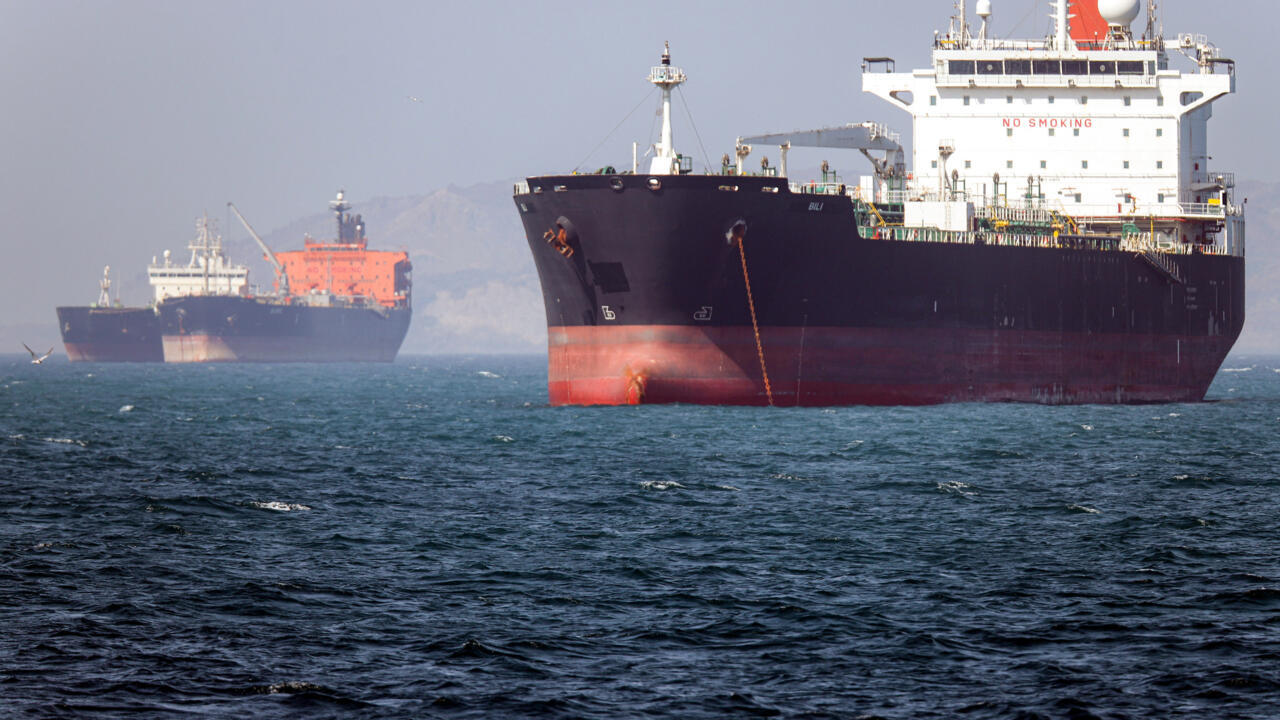
Iran has announced its response to the US proposal to stop the war in the Middle East through a Pakistani mediator. Despite the steps taken by Washington, Tehran has not shown much enthusiasm, reflecting Iranian skepticism about the US administration's intentions to resolve this complex issue.
In a move that may demonstrate a form of goodwill, US President Donald Trump announced a temporary suspension of the 'Freedom' project aimed at freeing neutral ships trapped in the Strait of Hormuz. Trump claimed that there has been 'significant progress' towards reaching a comprehensive agreement with Iran, raising questions about the seriousness of this statement.
Details of the Event
In early March, Iran closed the Strait of Hormuz in response to the war waged against it by the United States and Israel, which observers viewed as an attempt to raise the costs of confrontation regionally and internationally. This step led to disruptions in food supplies and a rise in global energy costs.
On Sunday, the Iranian news agency IRNA reported that the Islamic Republic sent its response to the US proposal through the Pakistani mediator, without providing additional details. Following this response, the world is waiting to see how the US administration will handle this development, amid questions regarding the content of the Iranian reply.
Background & Context
Historically, US-Iranian relations have seen increasing tensions, especially after Washington's withdrawal from the nuclear agreement in 2018. This withdrawal reopened contentious issues, including the Iranian nuclear program and ballistic missiles, complicating any potential negotiations.
Iran believes that its control over the Strait of Hormuz gives it a strong bargaining chip in negotiations, while the United States seeks to impose a blockade on Iranian ports. This divergence in perspectives reflects the depth of disagreements between the two sides, as Tehran refuses to relinquish its right to enrich uranium.
Impact & Consequences
The recent military escalation, including attacks on Kuwait and the UAE and a cargo ship off Qatar, complicates the situation in the region. These events come at a sensitive time, as Iranian warnings about targeting US interests in the region increase.
On the other hand, the US Central Command (CENTCOM) confirmed that it has disrupted two Iranian oil tankers, reflecting the rising military tensions. These developments indicate that any potential agreement may require intensified diplomatic efforts to avoid further escalation.
Regional Significance
These events are of significant importance to the Arab region, as any escalation in the conflict could impact the stability of neighboring countries. Additionally, the continuation of tensions may exacerbate humanitarian and economic crises in the area.
In conclusion, the question remains: Will the US administration be able to make progress in negotiations with Iran, or will the disagreements continue to deepen the conflict?