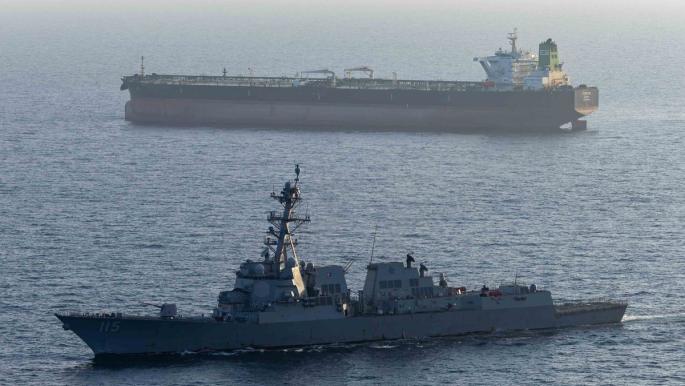
Iran is steadfast in its demands regarding the management of the Strait of Hormuz, heightening tensions in international relations. In contrast, U.S. President Donald Trump shows no urgency to renew military strikes against Iran, preferring to rely on economic pressure as a means to compel Tehran to make concessions.
The Strait of Hormuz is one of the most critical maritime passages in the world, through which approximately 20% of the world's total oil passes. This strategic location makes it difficult for any country to overlook Iran's role in the region, especially amid increasing tensions between the United States and Iran.
Details of the Situation
Iran maintains its firm stance on its rights in managing the Strait of Hormuz, asserting its right to protect its national interests. Meanwhile, Trump seeks to use time as a tool to pressure Iran, taking advantage of the economic sanctions imposed by the United States on Tehran.
Reports indicate that Trump believes economic pressure will weaken Iran's position, making it more willing to negotiate. However, this tactic may face significant challenges, as Iran could respond to these pressures by increasing its military activity in the region.
Background & Context
The roots of tensions between Iran and the United States date back several decades, with relations between the two countries escalating significantly since Trump's withdrawal from the Iranian nuclear deal in 2018. This withdrawal led to the reimposition of harsh economic sanctions on Tehran, severely impacting its economy.
Impact & Consequences
The current U.S. strategy could escalate tensions in the region, as Iran may take more aggressive steps in response to economic pressures. This escalation could affect global oil prices, reflecting on the global economy as a whole.
Regional Significance
These developments are crucial for understanding the geopolitical dynamics in the region and their impact on the global economy. The situation in the Strait of Hormuz not only affects oil supply but also has broader implications for international relations and security.
In conclusion, the ongoing standoff between Iran and the United States over the Strait of Hormuz represents a significant challenge for both nations and could have far-reaching consequences for global stability and economic conditions.