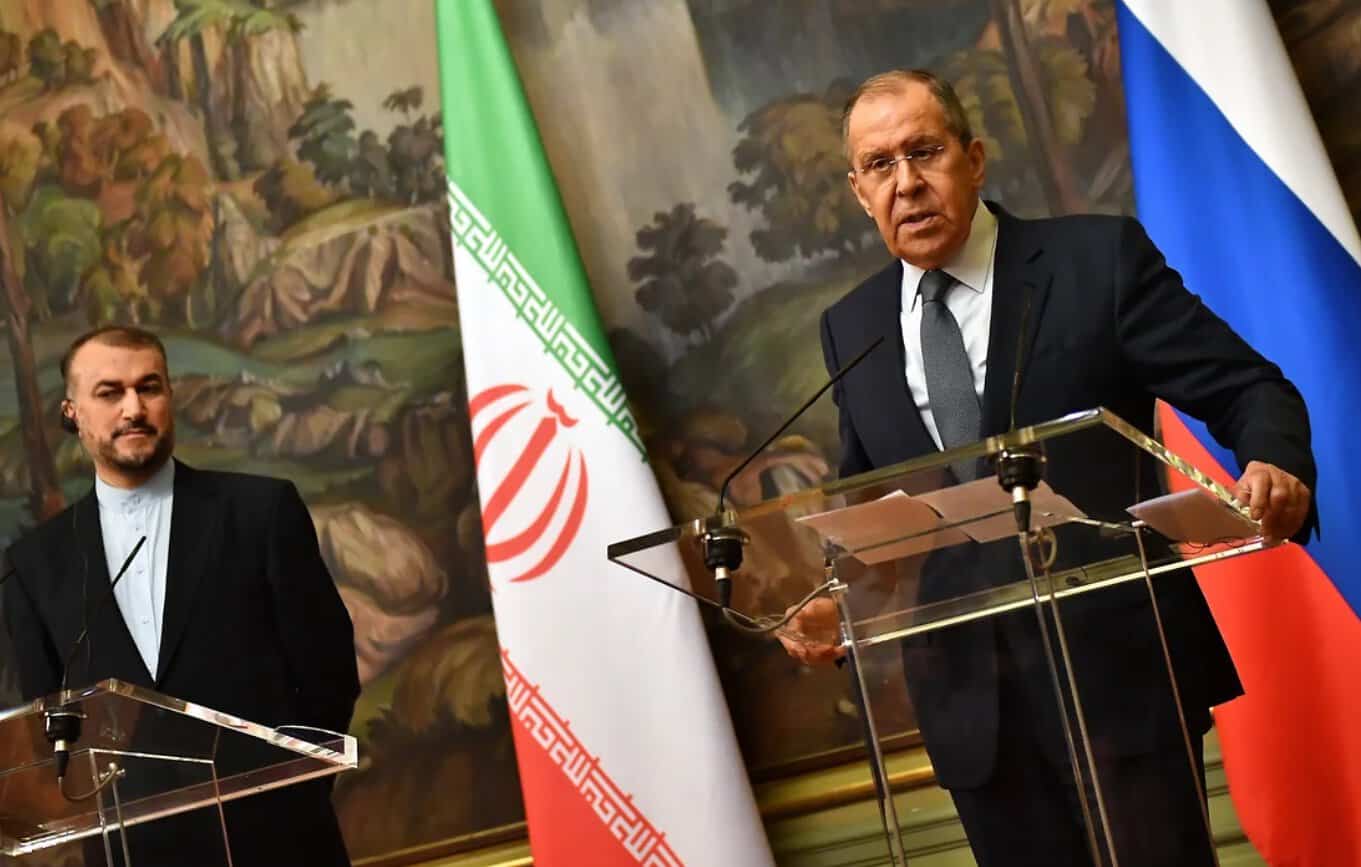
Iran is enhancing its strategic partnership with Russia amidst increasing pressure from the United States. This move aims to bolster Tehran's regional and international standing.
Reports indicate that Iran and Russia have signed several agreements in various fields, including energy and defense, reflecting both parties' desire to enhance cooperation in facing common challenges. This partnership comes at a sensitive time as US pressure mounts on both countries, prompting them to seek new alliances.
Details of the Developments
Recently, Iranian-Russian relations have seen significant developments, with cooperation agreements signed in energy and transportation sectors. Additionally, there have been exchanges of visits between officials from both countries, demonstrating their commitment to strengthening bilateral cooperation. Iranian officials have confirmed that this partnership aims to counter US pressure and enhance regional security.
Both Iran and Russia face substantial challenges from the United States, as Washington seeks to impose sanctions on both nations. Therefore, enhancing cooperation between them is a strategic step to confront these pressures.
Background & Context
Historically, Iranian-Russian relations have been complex, characterized by periods of cooperation and tension. However, current circumstances, including geopolitical tensions in the region, have contributed to strengthening these ties. Russia is considered a strategic partner for Iran on several issues, including the Syrian nuclear file.
In recent years, Iran has increased its cooperation with Russia in various fields, reflecting a shift in Iranian foreign policy towards strengthening relations with major powers. This cooperation comes at a time when Iran is experiencing international isolation due to imposed sanctions.
Impact & Consequences
The strengthening of the partnership between Iran and Russia could significantly impact regional balances. Increased cooperation between the two countries may enhance their military and economic capabilities, potentially leading to a shift in the balance of power in the region. Furthermore, this partnership could escalate tensions with the United States and its allies in the area.
Moreover, the strengthening of relations between Iran and Russia may encourage other countries to seek new alliances to confront Western pressures. This situation could lead to the formation of new alliances in the region that might alter current dynamics.
Regional Significance
The Iranian-Russian relationship holds particular importance for the Arab region, as it may influence ongoing conflicts in the Middle East. Increased cooperation between Iran and Russia could mean greater support for Iranian militias in Iraq and Syria, which may heighten tensions in these countries.
Additionally, the enhancement of these relations could impact peace efforts in the region, as Arab nations may find themselves facing new challenges due to this partnership. Therefore, monitoring the developments in Iranian-Russian relations will be of great significance for Arab countries.
In conclusion, the strengthening of the partnership between Iran and Russia appears to be part of their efforts to confront US pressures. This partnership could lead to significant changes in regional balances, requiring Arab nations to take proactive steps to address these challenges.