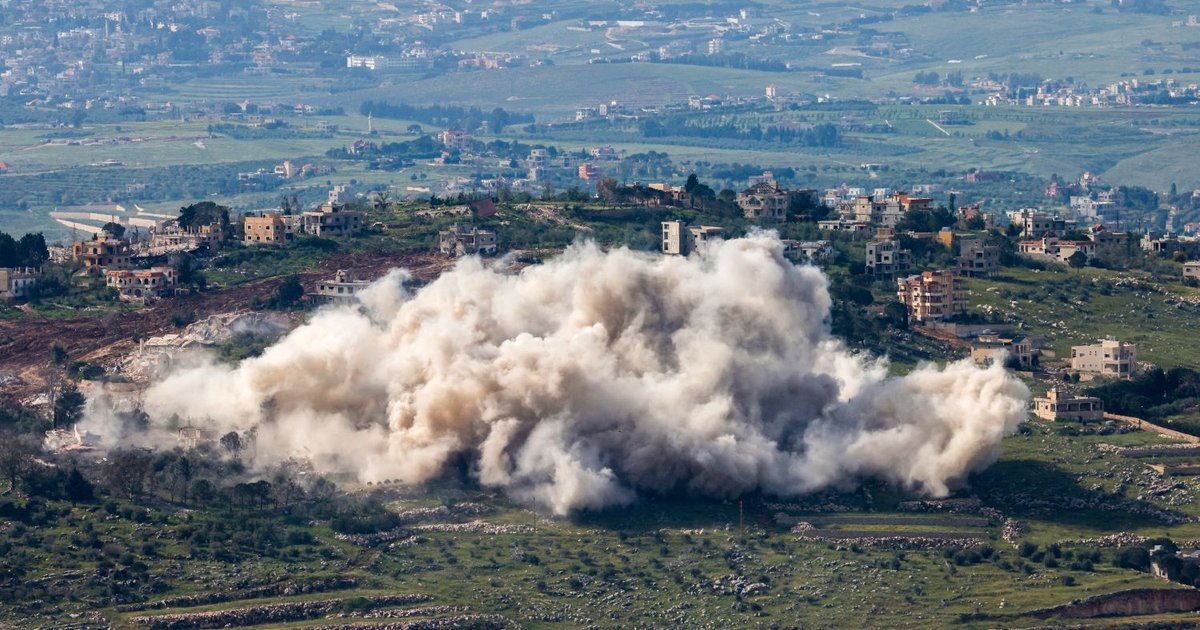
The Middle East is witnessing rising tensions with renewed clashes along the Israeli-Lebanese border and new sanctions imposed on Iran. Military and economic maneuvers are increasing, signaling further unrest. In this atmosphere, oil prices have risen significantly, reflecting growing concerns in global markets.
Clashes between Israeli forces and Lebanese Hezbollah militias have intensified, with reports indicating injuries among several Israeli soldiers in new confrontations. These clashes come at a sensitive time as economic and political pressures mount on Iran, which faces stringent sanctions from the United States and its allies.
Details of the Incident
Russia and Iran have announced their commitment to support each other in the face of Western pressures, with Russian Defense Minister Andrei Belousov stating that the two countries will stand together “under any circumstances.” This statement comes at a critical time as Iran condemns the sanctions imposed by the European Union on its oil sector, deeming them illegal acts and piracy.
In a related context, nuclear diplomacy faces new challenges, as the United States demands a halt to uranium enrichment, complicating efforts to resume talks on the Iranian nuclear program. These demands could lead to increased tensions between Tehran and Washington.
Background & Context
Historically, the Middle East has always been a focal point for political and military tensions, where regional and international interests intersect. Since the United States withdrew from the Iranian nuclear deal in 2018, tensions have escalated significantly, impacting regional stability. The economic sanctions imposed by the United States on Iran have led to a deterioration of the country's economic situation, further heightening tensions.
The Strait of Hormuz is a vital point for oil transportation, through which a significant percentage of global oil supplies pass. Any disruptions in this strait could lead to a global food crisis, as the United Nations recently warned of the consequences.
Impact & Consequences
The current tensions could lead to greater escalation in the region, with rising fears of new conflicts. The increase in oil prices above $108 per barrel reflects growing concerns in global markets, which could impact the global economy as a whole. Additionally, the decline in Iranian oil shipments due to the imposed blockade raises concerns about the stability of energy supplies.
Pressure is mounting on Iran, as an oil tanker flying the Iranian flag has been stopped, increasing the likelihood of new sanctions. These developments could exacerbate the economic situation in Iran, raising the possibility of military reactions.
Regional Significance
These events directly affect Arab countries, where fears of escalating violence in the region are increasing. Arab nations that rely on stable oil prices may face significant economic challenges under these circumstances. Any military escalation could also impact regional security, threatening stability in countries like Lebanon and Syria.
In conclusion, the situation in the Middle East remains tense, with military, economic, and diplomatic factors intertwining. It is crucial to closely monitor developments, as any escalation could have far-reaching implications for the region and the world.