U.S. President Donald Trump confirmed today (Saturday) that Iran remains keen on reaching an agreement, expecting Washington to receive a response from Tehran very soon. This statement was made during an interview with the Italian newspaper Corriere della Sera, where Trump expressed his reluctance to comment on the Iranian response at this time.
In another context, Trump discussed U.S.-Italian relations, stating, "Italy was not there when we needed it, and I and my country have always been alongside it," adding that he is still considering the withdrawal of U.S. troops from Italian bases.
Details of the Situation
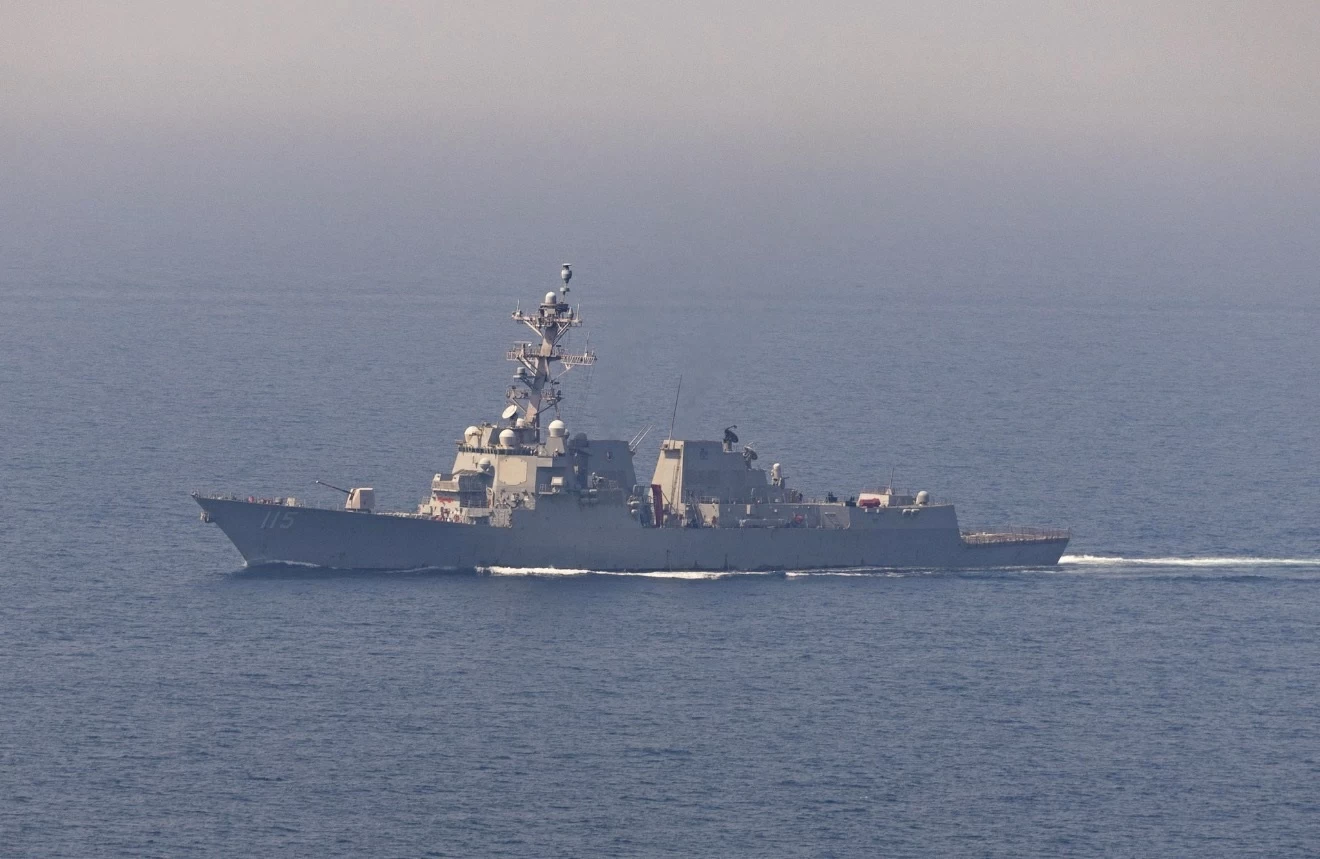
While the U.S. Central Command (CENTCOM) continues to enforce the maritime blockade on Iran, it confirmed that its forces have redirected 58 commercial vessels and disrupted 4 since April 13, in an effort to prevent them from entering or leaving Iranian ports. This blockade is part of U.S. efforts to pressure Tehran.
On the other hand, Iranian television quoted a foreign ministry official stating, "Tehran has received messages from the United States confirming Washington's unwillingness for any military escalation in the region." Ali Safri, a spokesperson for the Iranian foreign ministry, clarified that Tehran's priority is to stop the war and open the Strait of Hormuz, indicating that they are studying the U.S. response to the Iranian proposal.
Background & Context
These developments come at a time when relations between Iran and the United States are notably tense, as Tehran seeks to improve its economic situation after years of sanctions. Iran has proposed establishing security arrangements that include the Hope Project, in an attempt to enhance security in the Strait of Hormuz, which is a vital artery for global oil trade.
Additionally, the Deputy Governor of Tehran noted that 60,000 housing units in the province have been damaged due to the war, confirming that over 70% of the damage caused by the conflict in the capital has been repaired.
Impact & Consequences
If Iran responds positively to the U.S. proposals, it could lead to a de-escalation of tensions in the region, which may positively impact global markets. However, the continuation of the maritime blockade could complicate matters further and adversely affect the Iranian economy, which is already under pressure.
Concerns are growing that any military escalation could lead to a larger confrontation in the region, potentially affecting shipping traffic in the Strait of Hormuz and, consequently, global oil prices.
Regional Significance
The current developments are of significant importance to Arab countries, as any change in relations between Iran and the United States could impact regional stability. Gulf states, in particular, are closely monitoring these developments, as any escalation could threaten their security and stability.
In conclusion, attention remains focused on Tehran and Washington, as the anticipated Iranian response could have far-reaching implications for regional and global security.