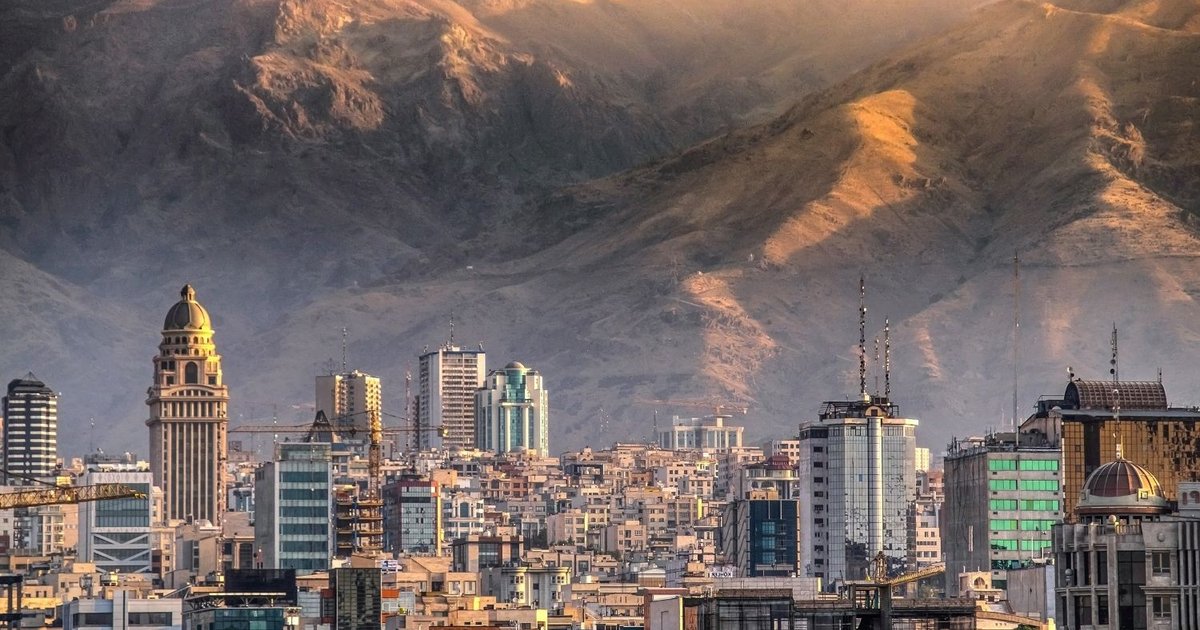
Iran has submitted its response to the US proposal to end the ongoing conflict in the Middle East, facilitated by a Pakistani intermediary. This development occurs during a time of heightened tensions in the Gulf, where several Gulf nations have faced drone and missile attacks, exacerbating the crises in the region.
Concerns are growing regarding the repercussions of these attacks, which reports indicate are specifically targeting critical infrastructure. These events have raised widespread international alarm, as major powers seek diplomatic solutions to the escalating crises.
Details of the Event
In a move reflecting the complexities of the current situation, Iran has sent its response to the US proposal aimed at resolving the Middle Eastern conflict. The response was delivered through Pakistan, which plays a mediating role in these negotiations. This step comes at a sensitive time, as tensions in the Gulf are rising, complicating peace efforts.
The recent attacks targeting Gulf nations, including Saudi Arabia and the UAE, have heightened concerns in the region. These attacks have demonstrated the involved parties' capability to execute complex military operations, raising questions about regional stability.
Background & Context
Historically, the Middle East has witnessed recurring conflicts, where regional and international interests intertwine. For several years, major powers have been vying for influence in the region, complicating the situation further. The recent US proposal is part of diplomatic efforts aimed at achieving stability, but Iranian responses indicate that matters remain intricate.
Pakistan, which serves as the mediator, has historical ties with both Iran and the United States, making it a potential launchpad for conflict resolution. However, ongoing tensions may hinder any progress in this direction.
Impact & Consequences
The recent escalation in the Gulf could lead to serious repercussions at both regional and international levels. If the attacks continue, Gulf nations may resort to military actions, potentially dragging the region into a broader conflict. Additionally, international reactions to these events will be crucial in determining the course of the crisis.
The economic impact of these tensions could be significant, as many countries rely on regional stability to ensure the flow of oil and gas. Any escalation in the conflict could negatively affect global energy prices, reflecting on the world economy.
Regional Significance
Given the current situation, events in the Gulf directly affect other Arab nations. The rising tensions could lead to greater divisions among Arab countries, as positions towards Iran and the United States vary. This division could obstruct regional cooperation efforts in various fields, including security and economy.
Ultimately, hope remains pinned on diplomatic efforts to resolve conflicts. However, with tensions persisting, the challenges to peace and stability in the region remain substantial.